
 English
 Español
 عربى
عربىThe Plastic Thin Space Cup Mould represents an innovation in the manufacturing o...

-

+86-15068654601
-

No.62 Zhao Feng Road, Huangyan, Taizhou, Zhejiang, China
+86-15068654601
No.62 Zhao Feng Road, Huangyan, Taizhou, Zhejiang, China
Early Emergence of Plastic Chair Moulds
Plastic chair moulds appeared in the mid-20th century, following the increasing availability of thermoplastic materials such as polypropylene, polyethylene, and polystyrene. Early manufacturers recognized the potential of plastics as an affordable, lightweight alternative to wood and metal for furniture production.
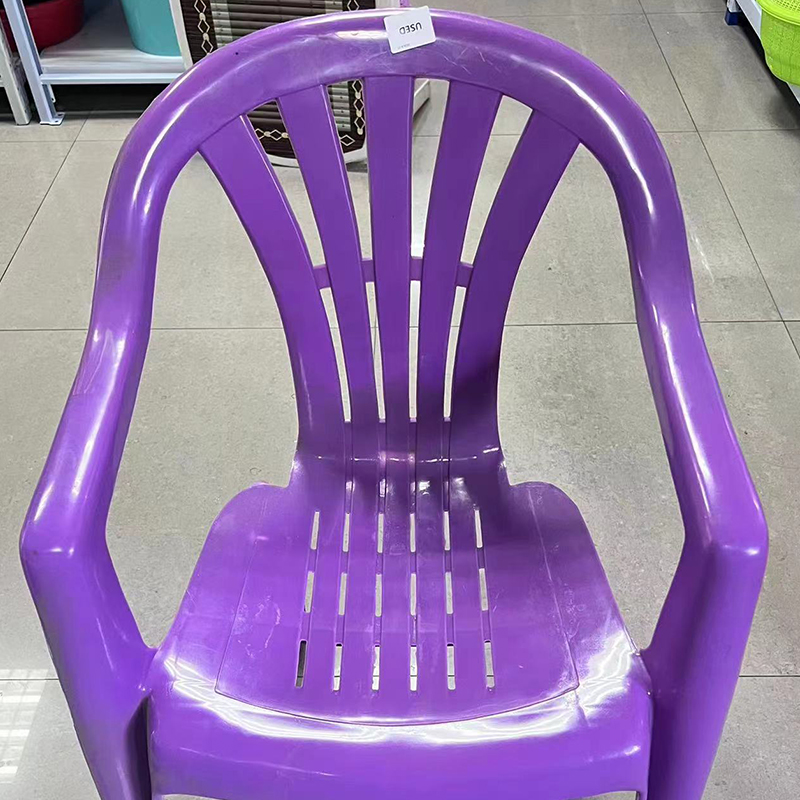
These generation moulds were relatively simple in design, typically producing standard chair shapes with limited customization. The injection moulding process allowed a chair to be produced in a single piece, reducing assembly requirements and labor costs. Early plastic chairs became popular in schools, cafeterias, and public spaces due to their affordability and ease of cleaning. The emergence of plastic chair moulds marked a shift from handcrafted furniture to industrialized production, laying the foundation for further innovation.
Technological Improvements in Moulding Processes
Over the decades, plastic chair moulds underwent significant technological improvements. Early moulds were often heavy and required high-pressure injection systems to fill the cavity. Advances in mould design, such as multi-cavity systems and more precise temperature control, allowed manufacturers to produce chairs more efficiently and with improved surface quality.
Modern moulds can include features such as ejector pins, cooling channels, and modular components, which streamline production and reduce cycle times. The development of computer-aided design (CAD) and computer-aided manufacturing (CAM) technology also enabled engineers to design complex moulds with high precision. These technological improvements have allowed manufacturers to produce chairs with ergonomic features, textured surfaces, and intricate designs while maintaining consistency across large production volumes.
Material Development and Diversity
The development of plastic chair moulds is closely linked to advancements in materials. Initially, early moulds used relatively rigid plastics, which limited design flexibility. Over time, material science introduced a variety of thermoplastics with improved strength, flexibility, UV resistance, and color stability.
Polypropylene remains one of the commonly used materials due to its balance of durability, flexibility, and cost. Other materials, such as reinforced plastics with glass fibers, allow for stronger and more lightweight chairs suitable for outdoor use. The combination of advanced materials and refined mould designs has enabled the production of chairs that are functional, durable, and visually appealing, meeting the demands of different markets and environments.
Design Evolution and Customization
Plastic chair moulds have also evolved to support diverse designs and customization. Early moulds produced standard, functional chairs with limited shapes and features. Modern moulds allow for ergonomic designs that provide better back support, stackable features for easy storage, and even artistic styles for decorative purposes.
In addition, colour injection techniques and multi-material moulds allow manufacturers to create chairs in a variety of colors and finishes directly from the mould, reducing the need for post-production painting or assembly. Some moulds are now designed to produce modular components that can be assembled into chairs with adjustable features, offering users more flexibility. This evolution reflects the changing expectations of consumers, who increasingly value both comfort and aesthetics in furniture.
Plastic chair moulds have undergone a significant journey since their appearance in the mid-20th century. Initially, they provided simple, cost-effective solutions for producing functional chairs. Technological improvements in moulding processes allowed for more precise and efficient production. Advancements in materials enabled stronger, lighter, and more durable chairs, while design evolution introduced ergonomic features and aesthetic variety. Together, these developments have transformed plastic chair manufacturing, making it possible to produce chairs that are practical, adaptable, and suitable for a wide range of environments. Understanding this history provides insight into how industrial processes, material science, and design innovation work together in the evolution of furniture production.
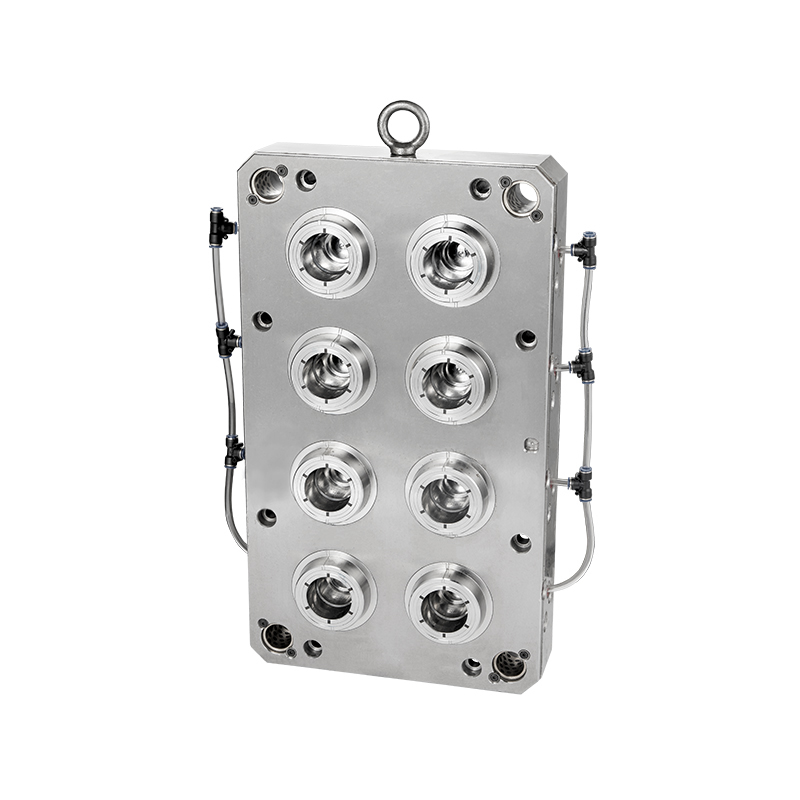
The Plastic Thin Space Cup Mould represents an innovation in the manufacturing o...
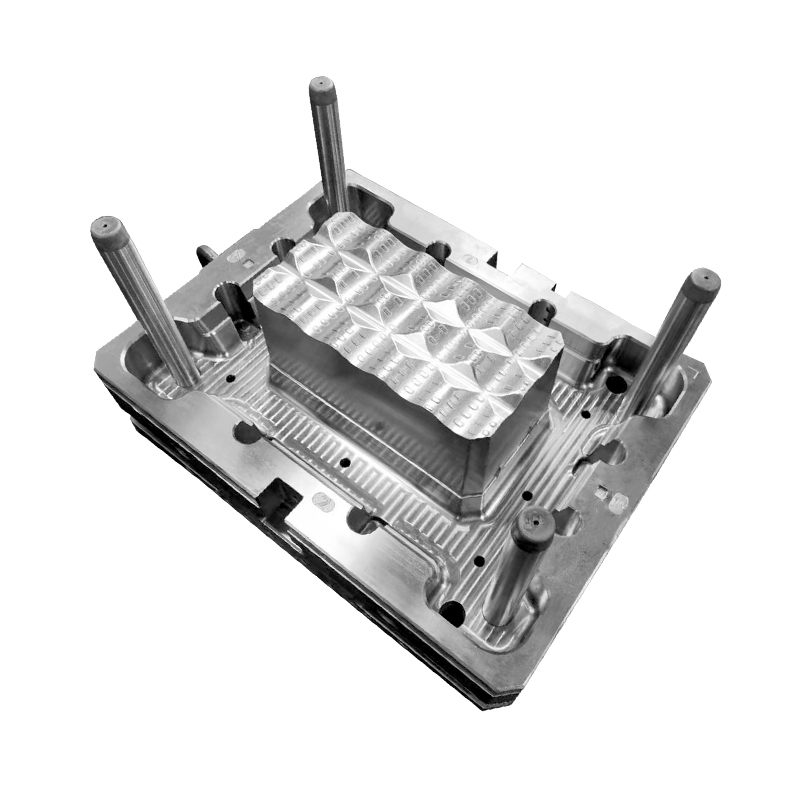
Our Food/Beverage Plastic Crate Mould is meticulously designed to meet the diver...
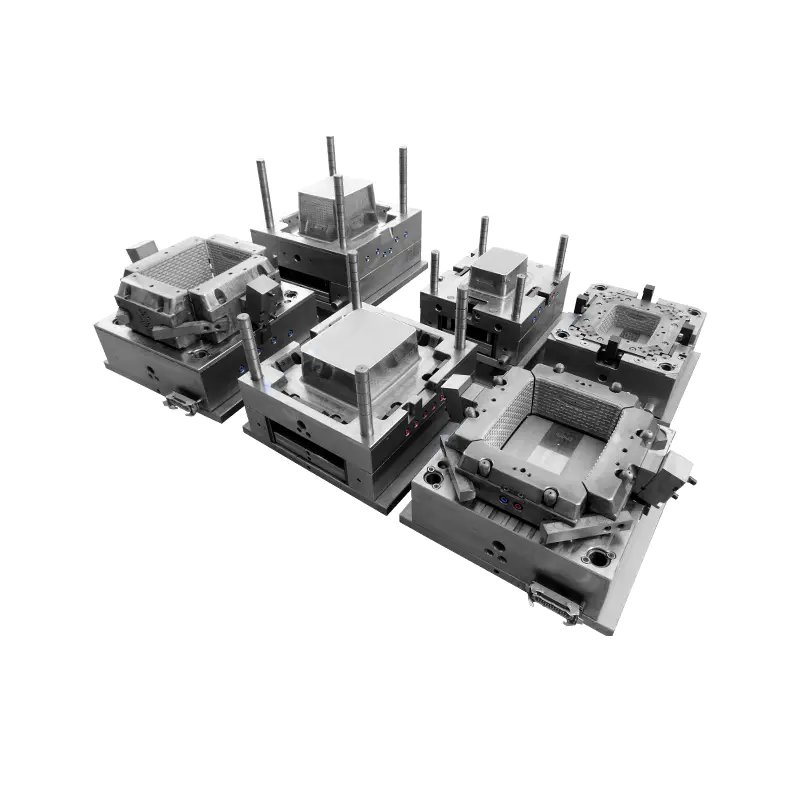
In the realm of plastic furniture storage solutions, our injection mould stands ...
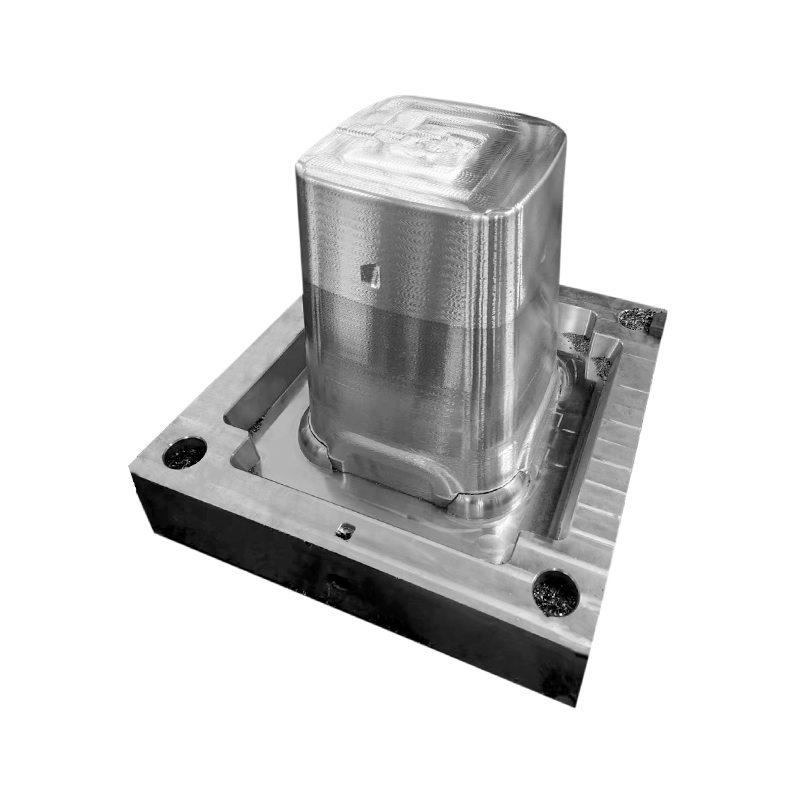
In the realm of contemporary furniture design, the Durable Plastic Rattan Stool ...
Taizhou Huangyan Edge Mould Co., Ltd.
Phone: +86-15068654601
Email: [email protected]
Address: No.62 Zhao Feng Road, Huangyan, Taizhou, Zhejiang, China
Copyright © Taizhou Huangyan Edge Mould Co., Ltd. All Rights Reserved.
