
 English
 Español
 عربى
عربىThe Plastic Thin Space Cup Mould represents an innovation in the manufacturing o...

-

+86-15068654601
-

No.62 Zhao Feng Road, Huangyan, Taizhou, Zhejiang, China
+86-15068654601
No.62 Zhao Feng Road, Huangyan, Taizhou, Zhejiang, China
Mould Cavity: The Core Shaping Element
The mould cavity is the most important part of a plastic water jug mould. It is the hollow space inside the mould where the molten plastic is injected and forms the shape of the final product. The cavity is precisely designed to replicate the exact dimensions and features of the water jug, ensuring that every piece produced matches the required specifications.
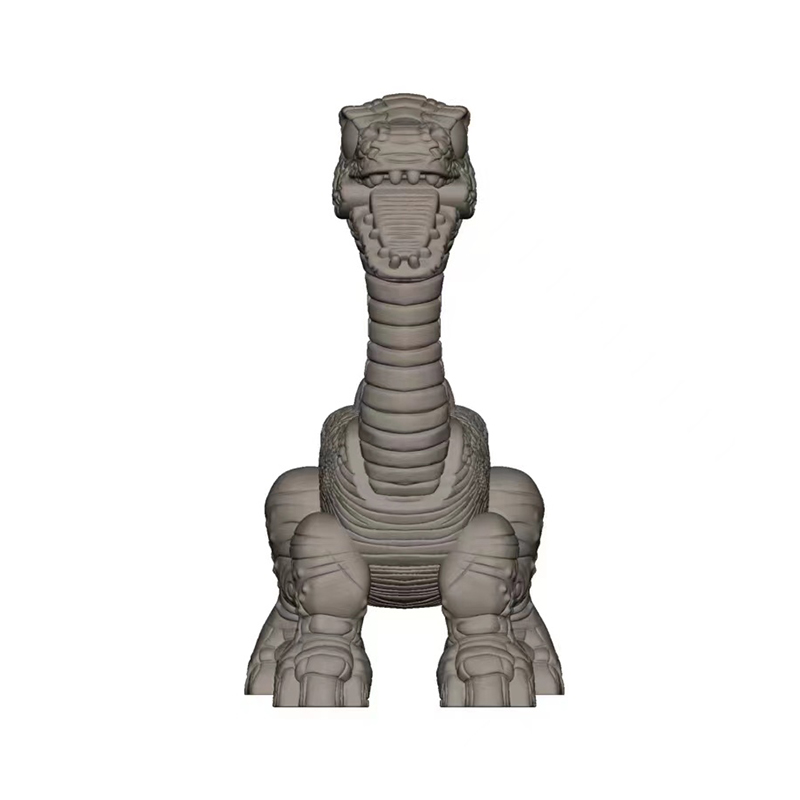
Function: The primary function of the mould cavity is to create the exterior and interior shape of the water jug. The cavity is typically made from hardened steel or aluminum to ensure it can withstand the heat and pressure exerted during the injection process. The material used for the cavity also needs to have a smooth surface to prevent any defects on the plastic surface.
Design Considerations: The mould cavity is designed with the shape and capacity of the jug in mind. It includes features like the spout, handle, and base of the jug. For larger jugs, the cavity may be split into multiple parts to accommodate the size and ensure easy removal of the final product after cooling.
Injection System: The Delivery Mechanism for Plastic
The injection system is a critical component of the mould as it is responsible for introducing the molten plastic into the mould cavity. This system includes the injection nozzle, the runners, and the sprue. It works in conjunction with the heating system to melt the plastic resin and push it into the cavity under high pressure.
Function: The injection system's role is to ensure that the molten plastic is delivered efficiently and evenly into the mould cavity. The pressure and temperature at which the plastic is injected are carefully controlled to ensure that the plastic flows smoothly into all areas of the cavity without leaving any air pockets or voids.
Components of the Injection System: The main components of the injection system are the screw or plunger, which pushes the plastic material into the mould, the injection nozzle, which connects the plastic supply to the mould cavity, and the runners, which guide the molten plastic throughout the cavity. The design of the injection system is critical to the efficiency of the moulding process and the quality of the final product.
Cooling System: Regulating Temperature for Shape Integrity
The cooling system plays a crucial role in ensuring that the plastic water jug retains its shape and strength once it is injected into the mould cavity. After the molten plastic is injected into the cavity, it needs to cool and solidify before it can be removed from the mould. The cooling system is responsible for regulating the temperature during this process.
Function: The cooling system uses channels and pipes that circulate cooling fluids (usually water or a mixture of water and antifreeze) through the mould. The system is designed to cool the molten plastic evenly and at a controlled rate, ensuring that the jug solidifies without warping or developing internal stresses that could compromise its strength or durability.
Design Considerations: The cooling channels are strategically placed within the mould to ensure uniform cooling across the entire surface of the water jug. The cooling rate needs to be carefully controlled to prevent issues like shrinkage, deformation, or excessive cycle times. Faster cooling rates can speed up the production process but may also cause the plastic to contract, defects. Therefore, the design of the cooling system requires precise engineering to balance efficiency and product quality.
Ejection System: Removing the Finished Jug
Once the plastic has cooled and solidified, the ejection system is responsible for removing the finished water jug from the mould. The ejection system typically consists of a series of pins, plates, or air jets that push or pull the finished part out of the cavity.
Function: The ejection system's function is to safely and efficiently eject the water jug from the mould without damaging the product or the mould. This process is crucial, as it ensures that the jug is removed in a controlled manner to avoid any deformation or scratches on the surface.
Design Considerations: The ejection system must be designed to match the shape and size of the water jug. For example, in some designs, ejector pins may be placed in specific areas, such as the base or sides of the jug, to avoid damaging delicate features like the handle or spout. The ejection mechanism may be either manual or automated, depending on the complexity of the moulding process and the production requirements.
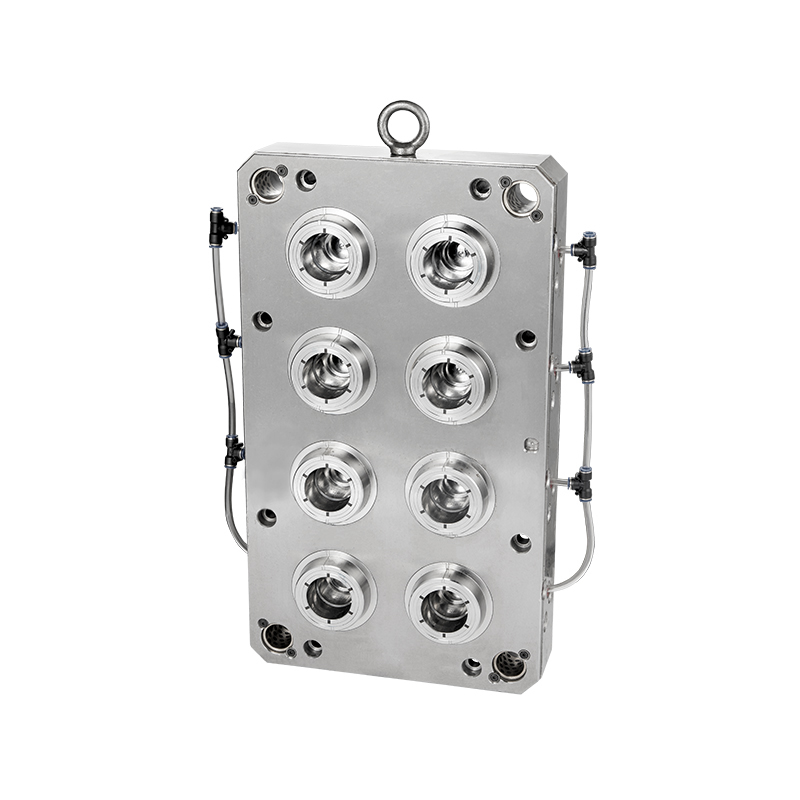
The Plastic Thin Space Cup Mould represents an innovation in the manufacturing o...
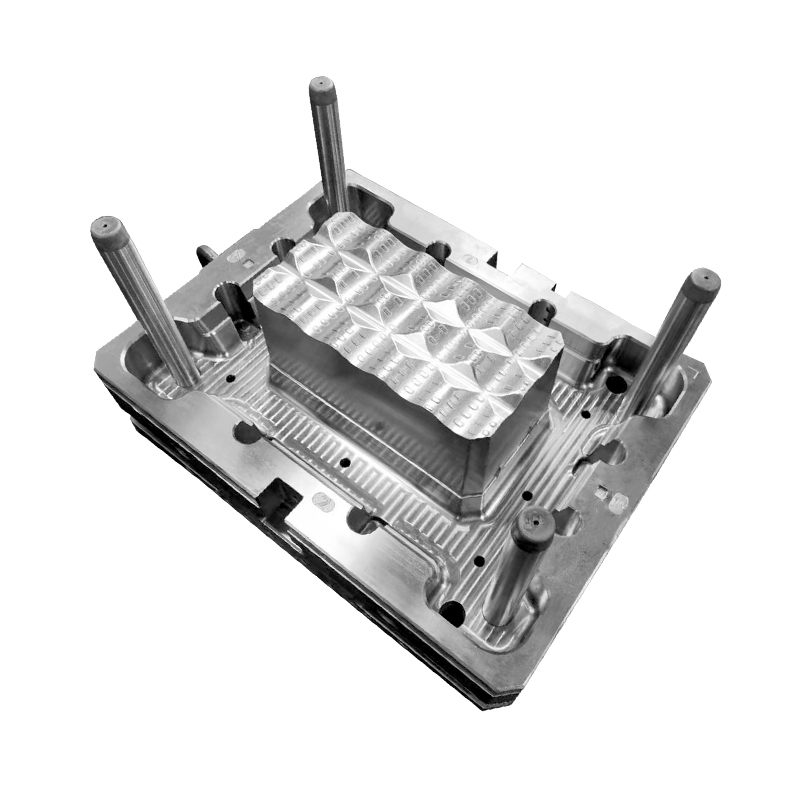
Our Food/Beverage Plastic Crate Mould is meticulously designed to meet the diver...
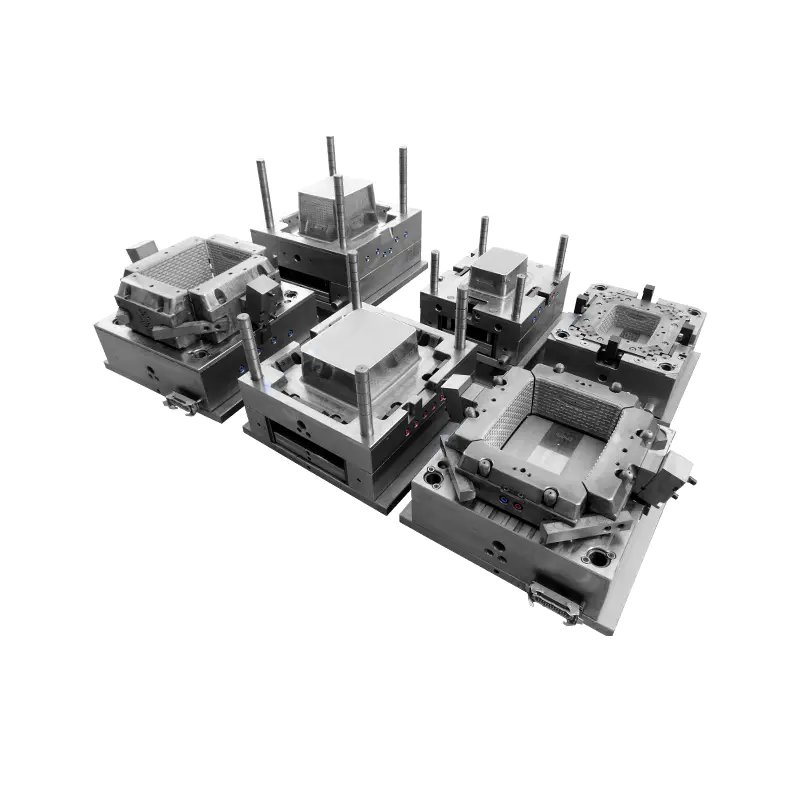
In the realm of plastic furniture storage solutions, our injection mould stands ...
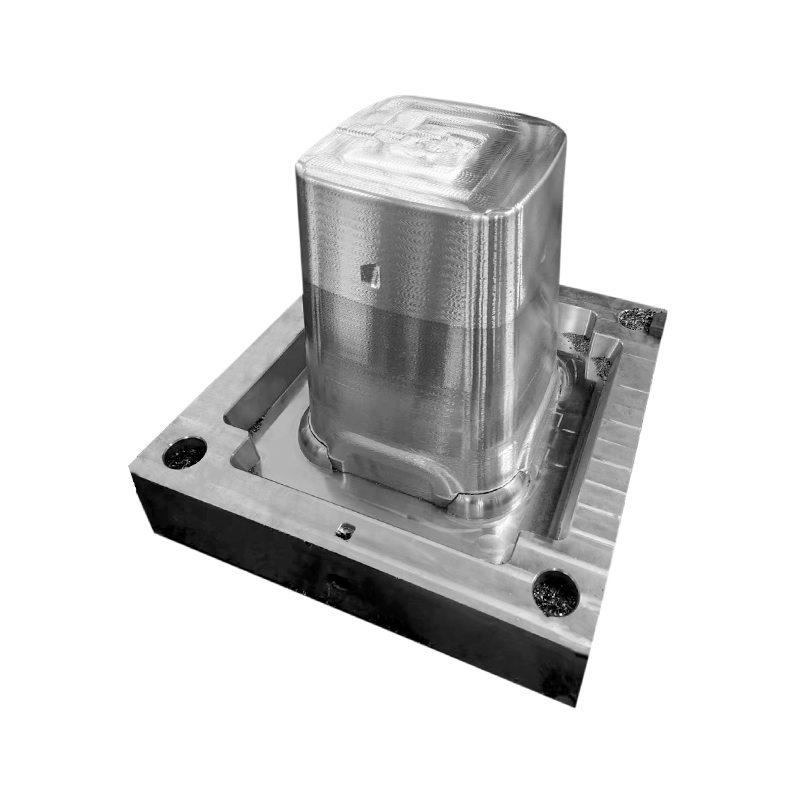
In the realm of contemporary furniture design, the Durable Plastic Rattan Stool ...
Taizhou Huangyan Edge Mould Co., Ltd.
Phone: +86-15068654601
Email: [email protected]
Address: No.62 Zhao Feng Road, Huangyan, Taizhou, Zhejiang, China
Copyright © Taizhou Huangyan Edge Mould Co., Ltd. All Rights Reserved.
