
 English
 Español
 عربى
عربىThe Plastic Thin Space Cup Mould represents an innovation in the manufacturing o...

-

+86-15068654601
-

No.62 Zhao Feng Road, Huangyan, Taizhou, Zhejiang, China
+86-15068654601
No.62 Zhao Feng Road, Huangyan, Taizhou, Zhejiang, China
Shaping and Forming Cutlery
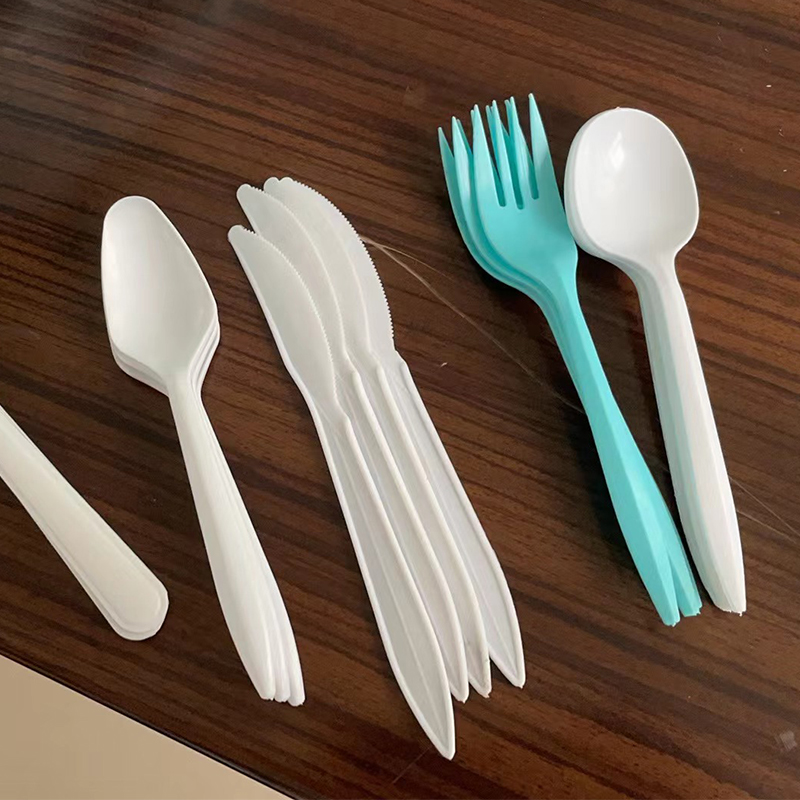
The primary function of a multi-cavity cutlery mould is to shape raw materials into the desired cutlery forms. During the manufacturing process, molten plastic or other materials are injected into the mould cavities under controlled pressure and temperature. Once cooled and solidified, the cutlery pieces are removed from the mould, maintaining consistent size, shape, and detail. This function ensures uniformity in the final products, which is essential for both consumer satisfaction and quality standards.
High-Volume Production
Multi-cavity moulds are designed to produce several pieces of cutlery at once. By combining multiple cavities into a single mould, manufacturers can significantly increase production output. This function is particularly useful for large-scale operations, where producing thousands of cutlery items daily requires a fast and efficient process.
Precision and Consistency
Another function of multi-cavity moulds is to ensure consistent dimensions and weight for each piece of cutlery. The precision in mould design reduces the need for post-production finishing or adjustments, providing uniform quality across large production runs.
The main function of a multi-cavity cutlery mould is to combine efficiency with precision, allowing manufacturers to produce multiple uniform cutlery pieces simultaneously.
Multi-cavity cutlery moulds have a variety of applications in industries focused on food service, packaging, and manufacturing. Their design allows for efficient production of cutlery items that meet market demand.
Disposable Cutlery Production
One of the primary uses of multi-cavity cutlery moulds is in the production of disposable cutlery for restaurants, catering services, and events. The mould allows for the rapid manufacturing of forks, spoons, and knives from plastic or biodegradable materials. By producing multiple items in a single cycle, manufacturers can efficiently supply large quantities to meet consumer needs.
Reusable Cutlery Manufacturing
Multi-cavity moulds are also used for producing reusable cutlery made from durable plastics or composite materials. These items are often designed for home use, travel kits, or office settings. The mould ensures that each piece has consistent size, weight, and strength, making them suitable for repeated use.
Promotional and Custom Cutlery
Another use of multi-cavity moulds is in producing custom or branded cutlery items. Companies may use moulds to manufacture cutlery with specific designs, logos, or colors for promotional purposes. The precision of the mould ensures that all items are identical, meeting the requirements of customized production.
Multi-cavity cutlery moulds offer several advantages for manufacturers, particularly in terms of efficiency, consistency, and cost-effectiveness.
Increased Production Efficiency
One significant advantage is the ability to produce multiple cutlery items in a single cycle. By having multiple cavities, the mould reduces production time and increases overall output. This is especially important for manufacturers who need to meet high demand or maintain steady inventory levels.
Consistent Quality and Precision
Multi-cavity moulds ensure that each cutlery piece has uniform dimensions, weight, and appearance. This consistency reduces the need for post-production adjustments and improves product quality. Uniformity is particularly important for both disposable and reusable cutlery, where consistency contributes to functionality and consumer satisfaction.
Cost-Effectiveness
Producing multiple items simultaneously also reduces the cost per unit. Manufacturers can save on material, energy, and labor costs because the mould optimizes the production process. Fewer production cycles are needed to produce the same quantity, which reduces machine wear and operational expenses over time.
Versatility in Production
Multi-cavity cutlery moulds can be adapted for different types of cutlery, sizes, and materials. This flexibility allows manufacturers to produce various products using the same mould framework, making it a practical tool for businesses with diverse product lines.
The advantages of a multi-cavity cutlery mould include efficiency, uniformity, cost savings, and flexibility, making it a reliable choice for cutlery manufacturers.
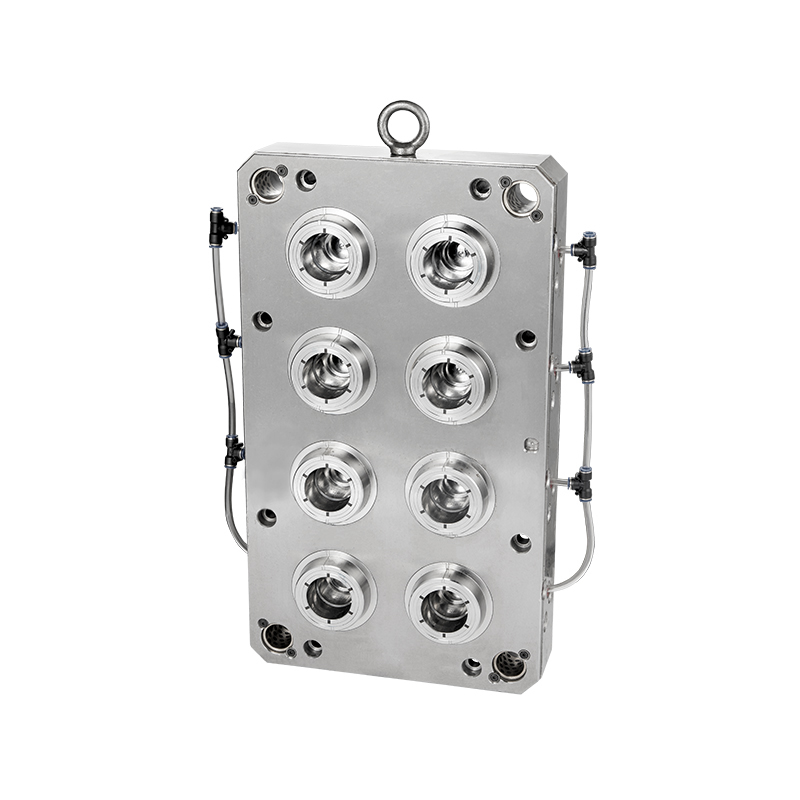
The Plastic Thin Space Cup Mould represents an innovation in the manufacturing o...
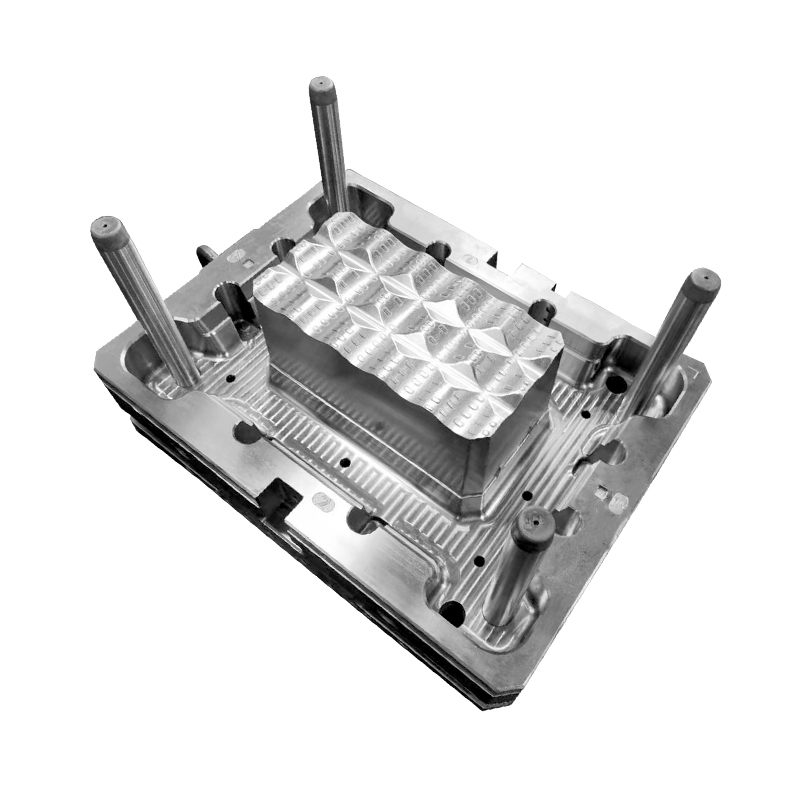
Our Food/Beverage Plastic Crate Mould is meticulously designed to meet the diver...
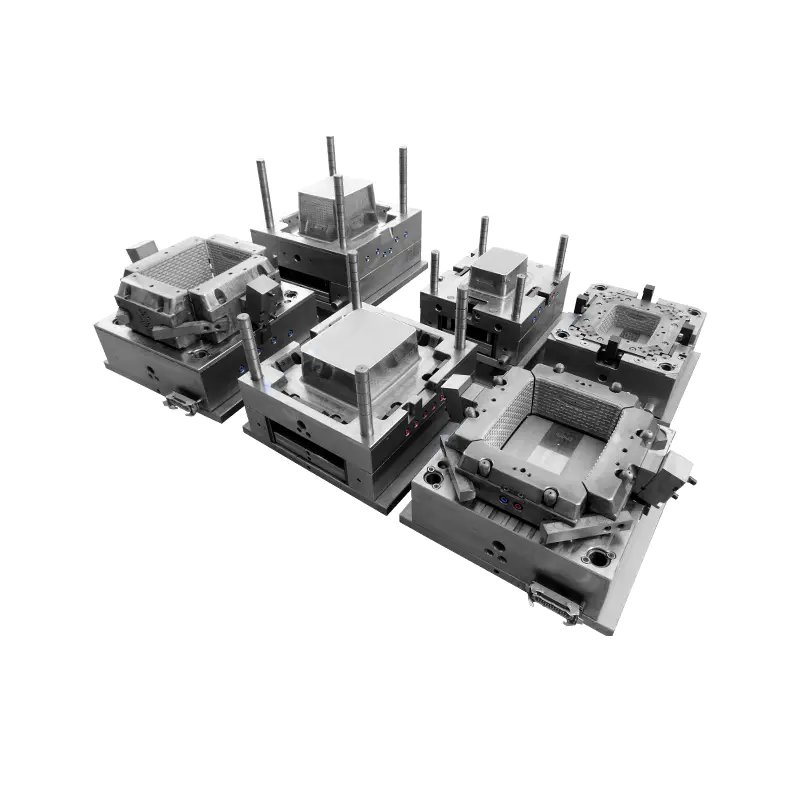
In the realm of plastic furniture storage solutions, our injection mould stands ...
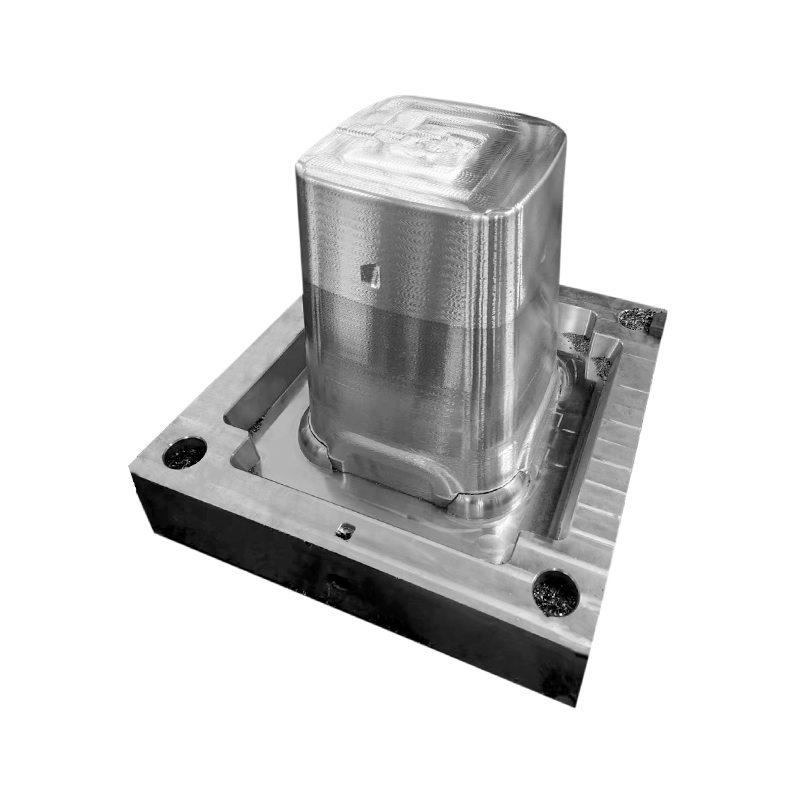
In the realm of contemporary furniture design, the Durable Plastic Rattan Stool ...
Taizhou Turnkey Mould Co., Ltd.
Phone: +86-15068654601
Email: [email protected]
Address: No.62 Zhao Feng Road, Huangyan, Taizhou, Zhejiang, China
Copyright © Taizhou Turnkey Mould Co., Ltd. All Rights Reserved.
