
 English
 Español
 عربى
عربىThe Plastic Thin Space Cup Mould represents an innovation in the manufacturing o...

-

+86-15068654601
-

No.62 Zhao Feng Road, Huangyan, Taizhou, Zhejiang, China
+86-15068654601
No.62 Zhao Feng Road, Huangyan, Taizhou, Zhejiang, China
The quality of a food container mould directly determines the consistency, dimensional accuracy, and production efficiency of the finished containers. For buyers evaluating moulds—whether new or used—understanding the factors that contribute to quality and longevity is essential for making informed purchasing decisions.
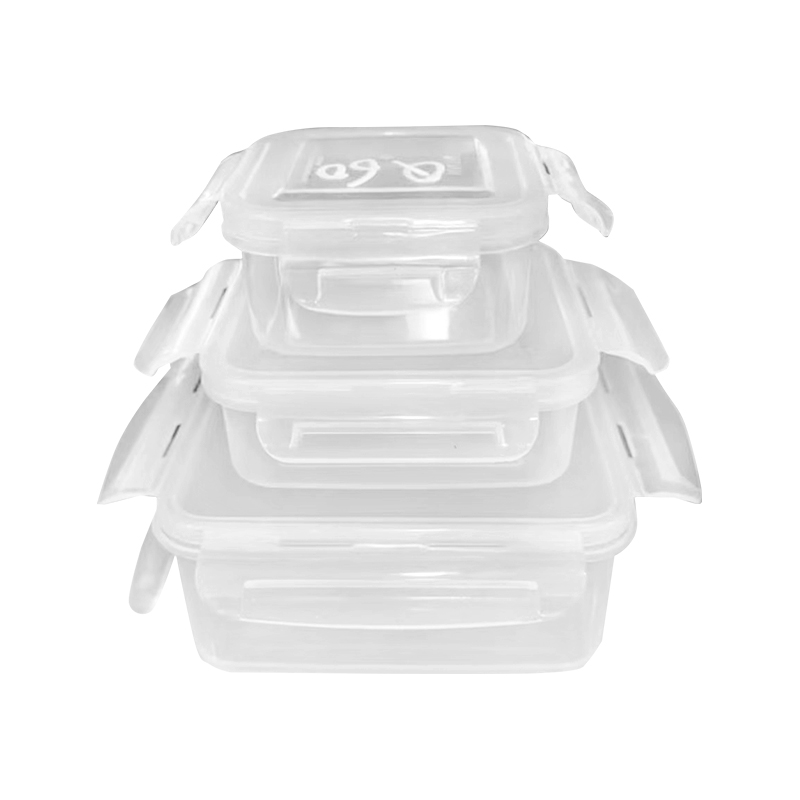
Mould steel selection and heat treatment
The choice of steel grade significantly affects mould durability. Common steel grades for food container moulds include:
P20 (DIN 1.2311): Pre-hardened steel with hardness of 28 to 32 HRC. Suitable for medium-volume production (100,000 to 500,000 cycles). Offers good machinability and adequate wear resistance for polypropylene (PP) and polyethylene (PE) containers.
H13 (DIN 1.2344): Tool steel hardened to 48 to 52 HRC. Used for high-volume production (500,000 to 2 million cycles or more). Provides wear resistance and thermal conductivity. Common in moulds for thin-wall containers where rapid heat transfer is critical.
Stainless steel (420, 136): Used for moulds in medical or food-contact applications requiring corrosion resistance. Higher cost but essential for processing materials with corrosive additives or for moulds subjected to frequent cleaning with aggressive agents.
The heat treatment process must be uniform to prevent distortion. Moulds with inconsistent hardness across the cavity surface develop uneven wear patterns, leading to dimensional variation in containers. Buyers should request documentation of steel certification and heat treatment records when evaluating used moulds.
Cavity surface finish
The surface finish of the cavity determines the appearance of the finished container and affects release characteristics. For food containers, typical surface finish requirements are:
SPI A-2 or A-3: High-gloss polished finish for containers requiring clear or shiny surfaces. Common for lids and premium containers.
SPI B-2 or B-3: Semi-gloss stone finish. Used for standard food containers where some texture is acceptable and helps hide minor surface marks.
SPI C-1 or C-2: Matte finish. Often used for bases and components that require non-stick release properties.
For used moulds, buyers should inspect cavity surfaces for scratches, pitting, or signs of polishing that may have altered critical dimensions. Areas around gates and parting lines are particularly susceptible to wear and should be examined closely.
Cooling system design
The efficiency of the cooling system determines cycle time—the interval between finished containers. Well-designed cooling channels:
Follow the contour of the cavity to maintain a uniform temperature distribution
Are positioned within 10 to 15 millimeters of the cavity surface for heat transfer
Use turbulent flow (Reynolds number above 4,000) to maximize heat removal
Used moulds with original cooling documentation allow buyers to assess whether the cooling design meets current production requirements. Moulds with corrosion or scale buildup in cooling channels may have impaired heat transfer, increasing cycle times.
Wear indicators on used moulds
When evaluating a used food container mould, specific wear indicators should be assessed:
Parting line condition: The mating surfaces between mould halves should be clean and free of damage. Visible wear, nicks, or deformation indicates potential flash (excess material escaping between mould halves) in finished containers.
Guide components: Guide pins and bushings should fit with minimal play. Excessive wear here leads to misalignment and uneven wall thickness in containers.
Ejector system: Ejector pins should move freely and return flush with the cavity surface. Worn ejector pins cause cosmetic defects and may prevent proper container ejection.
Gate condition: The gate area is the wear location due to material flow. Visible erosion or deformation indicates significant usage and may require repair.
Slide and lifter mechanisms: Components that form undercuts (such as container handles or lid retention features) should operate smoothly without binding.
Buyers should request production history, including total cycle count, materials processed, and maintenance records. A mould that has produced 500,000 containers of PP may have substantially different wear than one that has processed 100,000 containers of glass-filled material.
What are the critical design features that distinguish food container moulds from general-purpose moulds?
Food container moulds incorporate specific design features that address the requirements of food safety, high-volume production, and container functionality. Understanding these distinctions helps buyers select moulds appropriate for their intended applications.
Food safety compliance features
Material traceability: Mould components that contact the container must be manufactured from materials certified for food contact. This applies to cavity and core steels, ejector pins, and any components exposed to the melt stream. Used moulds should be accompanied by documentation confirming material compliance.
Cavity surface requirements: Food contact surfaces require finishes that do not harbor bacteria. Polished surfaces (SPI A-2 or better) are standard for containers that will hold food without additional packaging. The absence of sharp corners, crevices, or porous surfaces is essential for cleanability.
Parting line seals: The sealing surfaces between mould halves must be precisely machined to prevent flash that could create crevices for bacterial growth. Moulds with flash issues produce containers with thin plastic protrusions that may break off and contaminate food.
Venting design: Vents—typically 0.01 to 0.03 millimeters deep—allow air to escape during filling. In food container moulds, vents are positioned to avoid creating sharp edges or burrs on the finished container. Poor vent design can lead to incomplete filling or burn marks on the container surface.
Thin-wall molding capabilities
Many food containers—particularly those used for takeout, deli products, and single-serve items—are designed with thin walls to reduce material consumption and production costs. Moulds for thin-wall applications require specific features:
High-speed injection capability: Thin-wall moulds require fast filling rates to prevent material solidification before cavity completion. This demands larger sprue and runner diameters than general-purpose moulds.
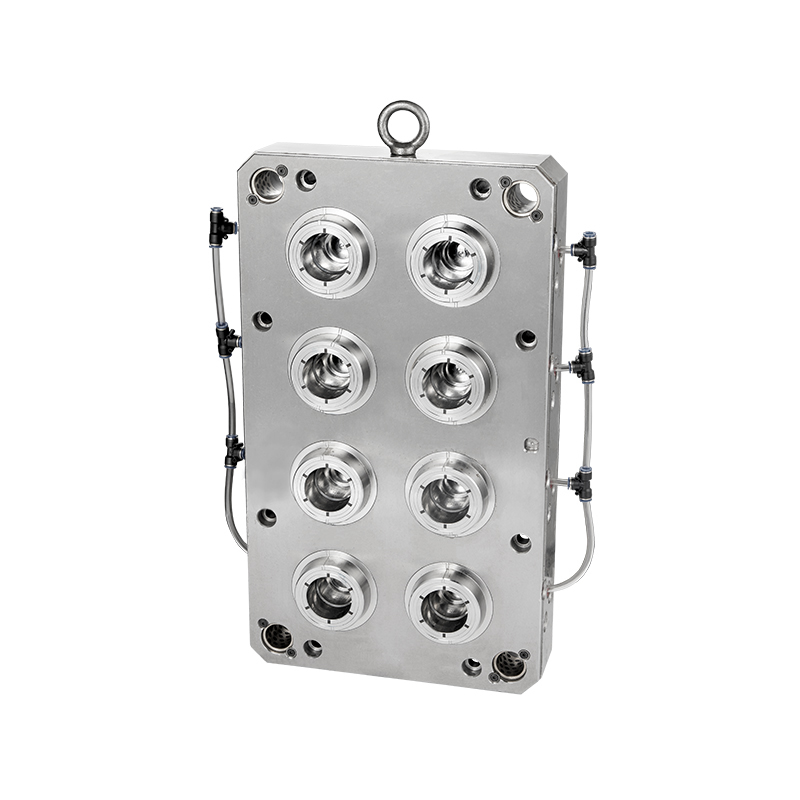
The Plastic Thin Space Cup Mould represents an innovation in the manufacturing o...
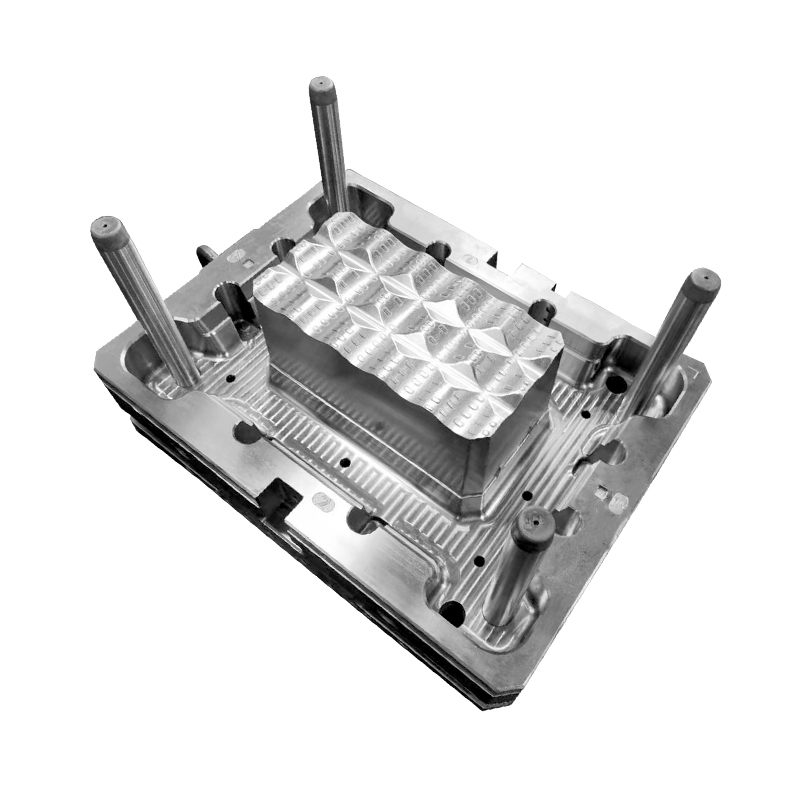
Our Food/Beverage Plastic Crate Mould is meticulously designed to meet the diver...
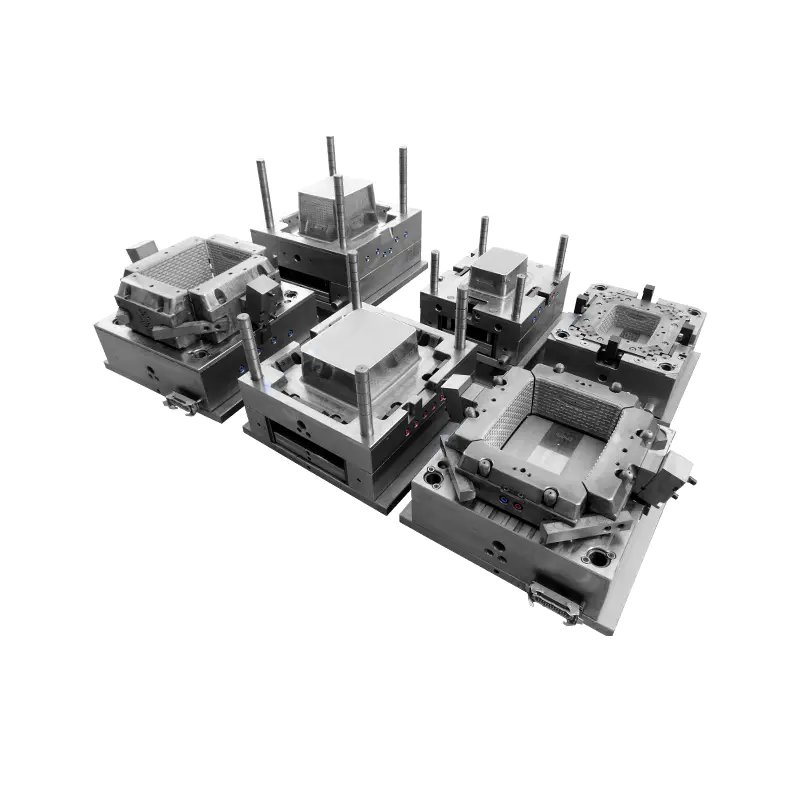
In the realm of plastic furniture storage solutions, our injection mould stands ...
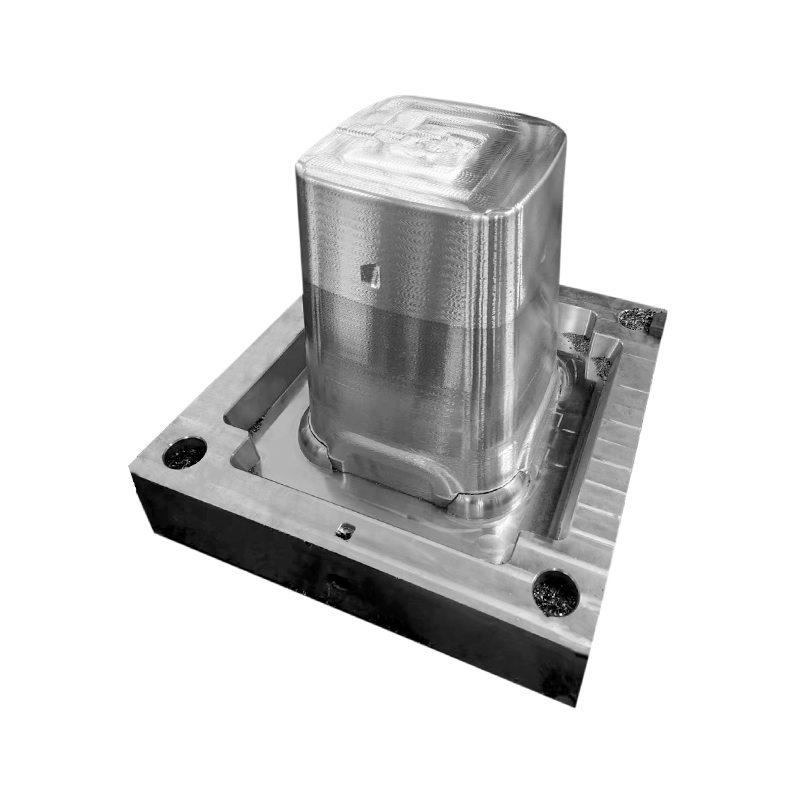
In the realm of contemporary furniture design, the Durable Plastic Rattan Stool ...
Taizhou Huangyan Edge Mould Co., Ltd.
Phone: +86-15068654601
Email: [email protected]
Address: No.62 Zhao Feng Road, Huangyan, Taizhou, Zhejiang, China
Copyright © Taizhou Huangyan Edge Mould Co., Ltd. All Rights Reserved.
