
 English
 Español
 عربى
عربىThe Plastic Thin Space Cup Mould represents an innovation in the manufacturing o...

-

+86-15068654601
-

No.62 Zhao Feng Road, Huangyan, Taizhou, Zhejiang, China
+86-15068654601
No.62 Zhao Feng Road, Huangyan, Taizhou, Zhejiang, China
Plastic chairs are widely used in homes, offices, public spaces, and outdoor areas due to their lightweight construction, durability, and ease of maintenance. China has become a major manufacturer of plastic chair moulds, supplying both domestic and international markets. These moulds are used to produce plastic chairs through injection moulding or other related processes.
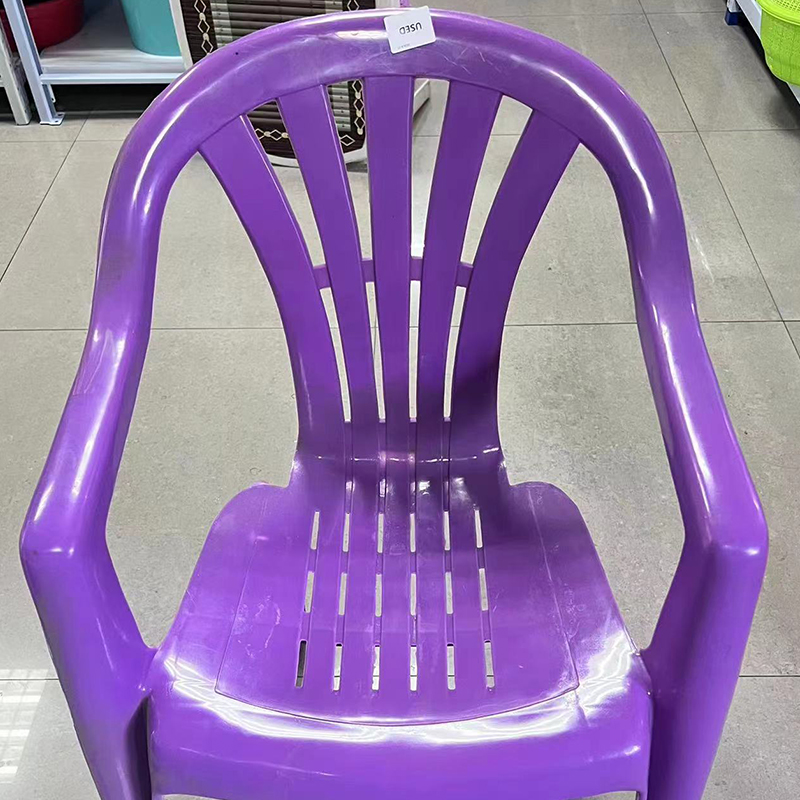
Plastic chair moulds in China can be categorized based on design, production process, and output capacity.
Single-Cavity Moulds:
Produce one chair per injection cycle.
Simple design and easier maintenance.
Suitable for small-scale production or custom orders.
Multi-Cavity Moulds:
Produce multiple chairs simultaneously.
Increase production efficiency and reduce per-unit cost.
Require more complex runner systems and precise cooling channels.
Stack Moulds:
Include multiple layers of mould cavities to produce several chairs in a single press.
Useful for high-volume production with limited floor space.
Customized Design Moulds:
Designed for chairs with unique features, such as armrests, ergonomic contours, or decorative patterns.
May be single- or multi-cavity but require careful alignment and cooling for complex shapes.
Folding or Modular Chair Moulds:
Produce chairs that can be disassembled or folded.
Designed with integrated joints and attachment points for functional movement.
Each type is chosen based on production scale, design complexity, and market requirements. Manufacturers may also offer variations in cavity number, material compatibility, and mould size depending on client needs.
Cost Efficiency
Reduced Material Waste: Well-designed moulds allow precise injection of plastic, reducing excess material.
High Production Efficiency: Multi-cavity and stack moulds allow manufacturers to produce multiple chairs per cycle, lowering per-unit costs.
Lower Initial Investment Compared to Other Countries: Chinese moulds are often priced competitively, making them accessible for small and medium-sized manufacturers.
Design Flexibility
Variety of Shapes and Styles: Plastic chair moulds can accommodate ergonomic seats, armrests, backrests, and decorative features.
Material Compatibility: Moulds can work with different thermoplastics such as polypropylene, polyethylene, or reinforced composites.
Adaptable for Custom Orders: Manufacturers can modify existing mould designs to meet specific client requirements.
Durability and Maintenance
Sturdy Construction: Moulds are generally made from steel or aluminum to withstand repeated use.
Ease of Repair: Worn components such as ejector pins or inserts can be replaced without replacing the entire mould.
Long Operational Life: Properly maintained moulds can produce thousands of chairs over time without significant quality loss.
Dimensional Accuracy
Moulds are designed to produce chairs with consistent dimensions, ensuring that seats, legs, and backrests fit standard measurements and assembly requirements.
Accuracy is maintained through precision machining of the cavity and runner systems.
Surface Finish
High-quality moulds provide smooth surfaces suitable for direct use or minimal post-processing.
Decorative textures or patterns can be integrated directly into the mould cavity.
Cooling Efficiency
Proper cooling channels in the mould reduce cycle time and prevent warping or deformation.
Balanced cooling ensures uniform shrinkage and consistent quality across all chairs produced.
Structural Integrity
Moulds are engineered to create chairs with appropriate thickness and reinforcement ribs, ensuring stability under load.
Multi-cavity and stack moulds are designed to maintain structural integrity even when producing multiple chairs simultaneously.
Repeatability
CNC-machined moulds allow for consistent reproduction of chair designs over thousands of cycles.
Reduced human intervention ensures fewer defects and higher reliability.
Material Versatility
Moulds can accommodate various thermoplastics and reinforced composites, allowing manufacturers to adjust strength, weight, and appearance according to end-use requirements.
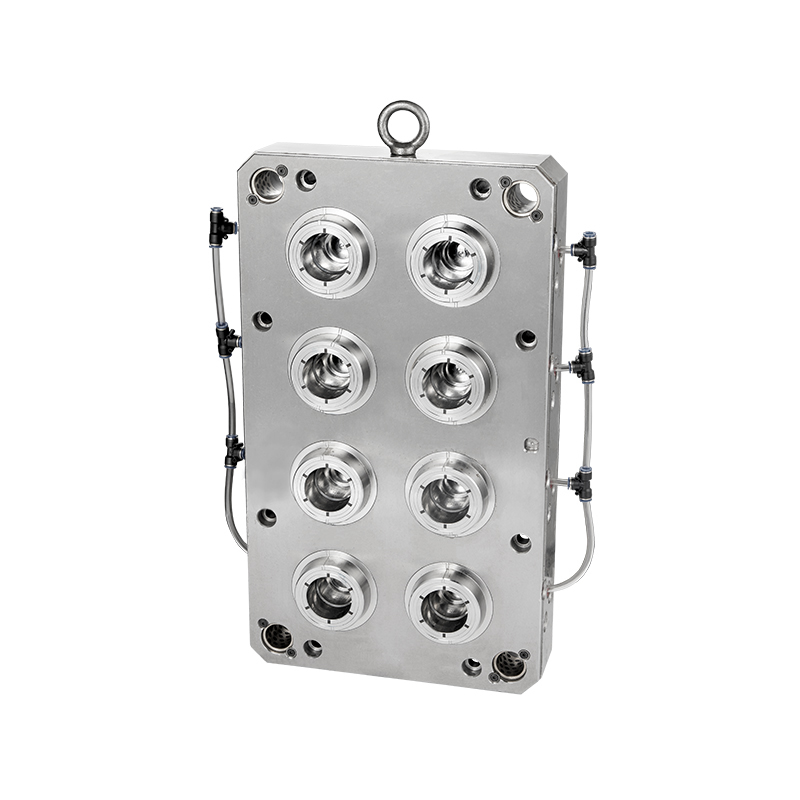
The Plastic Thin Space Cup Mould represents an innovation in the manufacturing o...
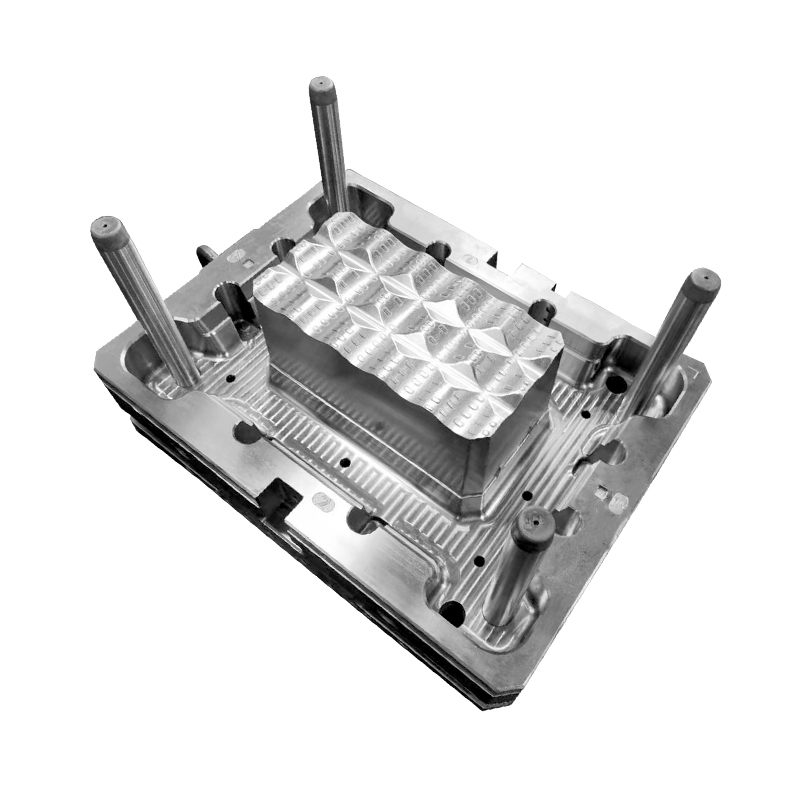
Our Food/Beverage Plastic Crate Mould is meticulously designed to meet the diver...
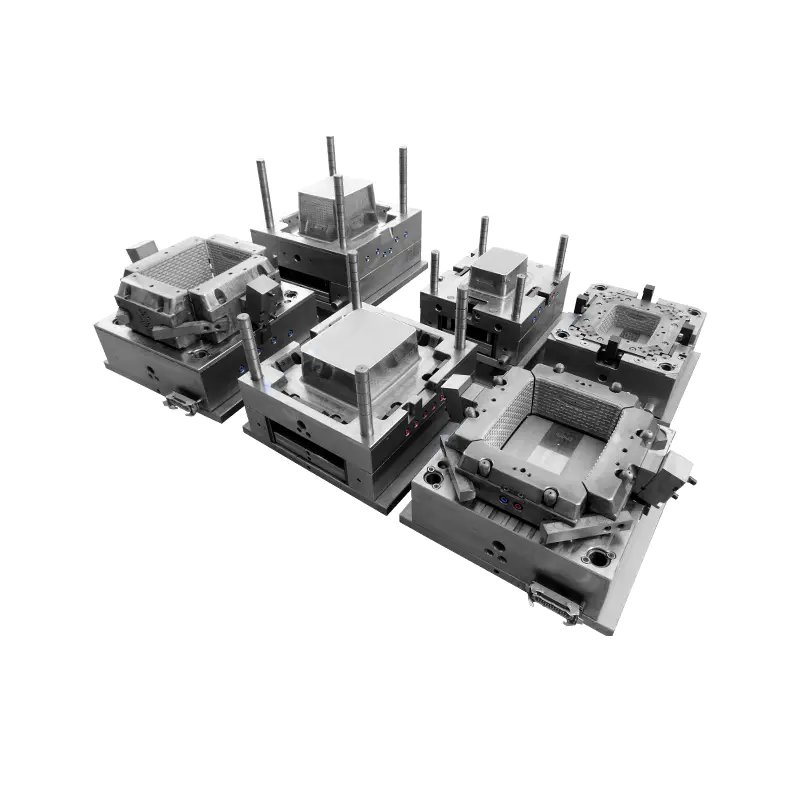
In the realm of plastic furniture storage solutions, our injection mould stands ...
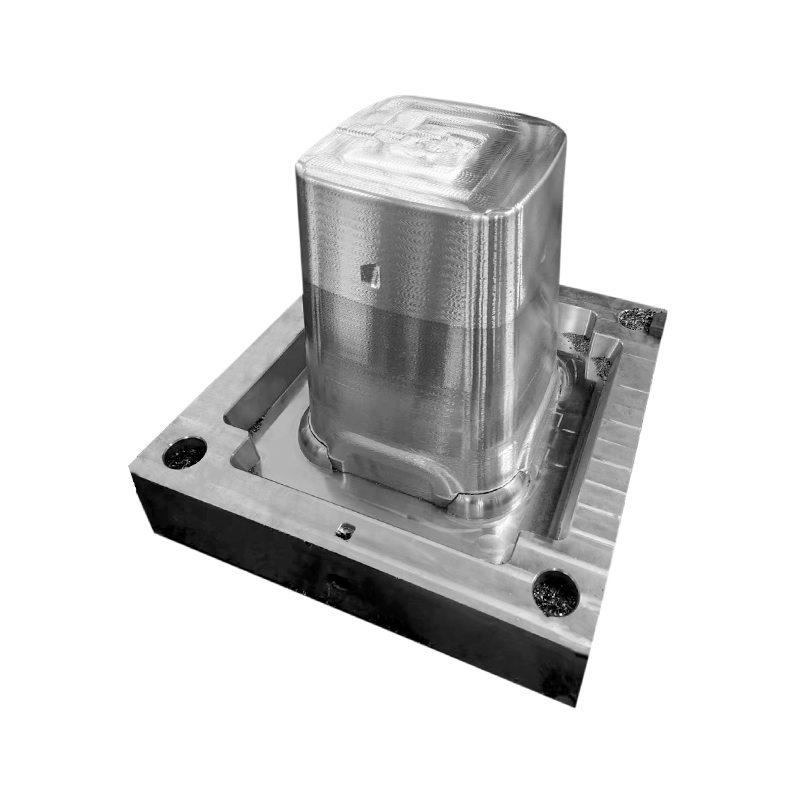
In the realm of contemporary furniture design, the Durable Plastic Rattan Stool ...
Taizhou Huangyan Edge Mould Co., Ltd.
Phone: +86-15068654601
Email: [email protected]
Address: No.62 Zhao Feng Road, Huangyan, Taizhou, Zhejiang, China
Copyright © Taizhou Huangyan Edge Mould Co., Ltd. All Rights Reserved.
