
 English
 Español
 عربى
عربىThe Plastic Thin Space Cup Mould represents an innovation in the manufacturing o...

-

+86-15068654601
-

No.62 Zhao Feng Road, Huangyan, Taizhou, Zhejiang, China
+86-15068654601
No.62 Zhao Feng Road, Huangyan, Taizhou, Zhejiang, China
Standard Multi-Cavity Cutlery Mould
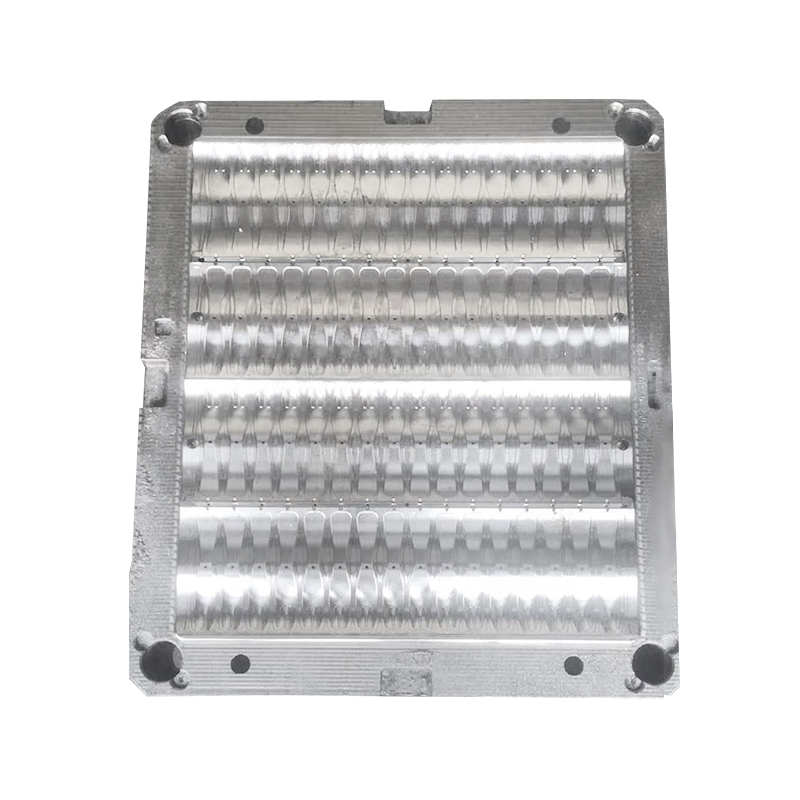
The standard multi-cavity cutlery mould is the commonly used type in plastic and metal cutlery production. It typically consists of multiple identical cavities arranged in a single plate or mould assembly, allowing simultaneous injection or stamping of several cutlery items.
These moulds are suitable for mass production of uniform cutlery, such as spoons, forks, or knives, where the dimensions and designs are consistent across all pieces. The cavities are usually designed for ease of ejection and minimal material waste. Standard multi-cavity moulds are valued for their simplicity, reliability, and compatibility with conventional injection moulding or stamping machines.
While these moulds are straightforward in design, careful attention must be paid to the balance of flow, temperature, and pressure to ensure all cavities produce consistent items. Differences in material flow or cooling rates can minor variations between pieces, which is why proper maintenance and calibration are important.
Family-Type Multi-Cavity Cutlery Mould
Family-type multi-cavity cutlery moulds differ from standard moulds by combining cavities for different cutlery items within a single mould. For example, a family mould might include cavities for a spoon, fork, and knife, allowing all three items to be produced simultaneously in one injection cycle.
This type of mould is particularly useful for producing complete cutlery sets efficiently. By manufacturing multiple components together, it reduces the need for separate production cycles, saves time, and improves alignment between pieces in a set. Family-type moulds require careful design to ensure uniform flow and pressure distribution across all cavities, as differences in item size or shape can affect filling and cooling.
Family-type moulds are commonly used in consumer cutlery production, catering to packaged sets for households, restaurants, or catering services. They balance productivity with product versatility, providing manufacturers with flexibility while maintaining cost-effectiveness.
Hot Runner Multi-Cavity Cutlery Mould
Hot runner moulds are an advanced type of multi-cavity mould where heated channels deliver molten material directly to each cavity. This system differs from cold runner moulds, which rely on solidified runners that are later removed as waste.
In hot runner multi-cavity cutlery moulds, the continuous flow of material ensures uniform temperature and flow to all cavities, reducing cycle times and improving the consistency of the cutlery. These moulds are particularly beneficial when working with thermoplastics or high-volume production, as they minimize material waste and improve energy efficiency.
Hot runner moulds require precise temperature control and regular maintenance to prevent blockages or uneven flow. Despite these considerations, they are widely used in modern cutlery manufacturing due to their ability to produce high-quality, uniform items efficiently.
Multi-cavity cutlery moulds are vital in modern cutlery production, allowing the simultaneous manufacture of multiple items and improving production efficiency. Standard multi-cavity moulds are ideal for mass production of identical items, providing simplicity and reliability. Family-type moulds produce complete sets of cutlery in a single cycle, offering flexibility and coordination between pieces. Hot runner moulds deliver material directly to each cavity, improving consistency and reducing waste in high-volume production. Understanding these types of moulds helps manufacturers choose the appropriate solution based on production needs, material properties, and desired output, ensuring both efficiency and product quality in cutlery manufacturing.
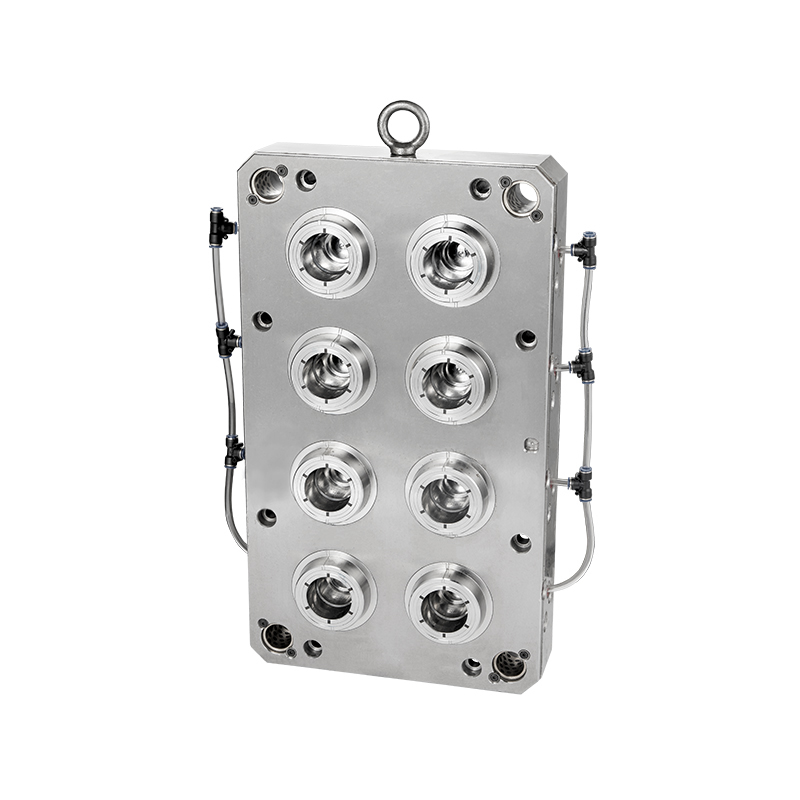
The Plastic Thin Space Cup Mould represents an innovation in the manufacturing o...
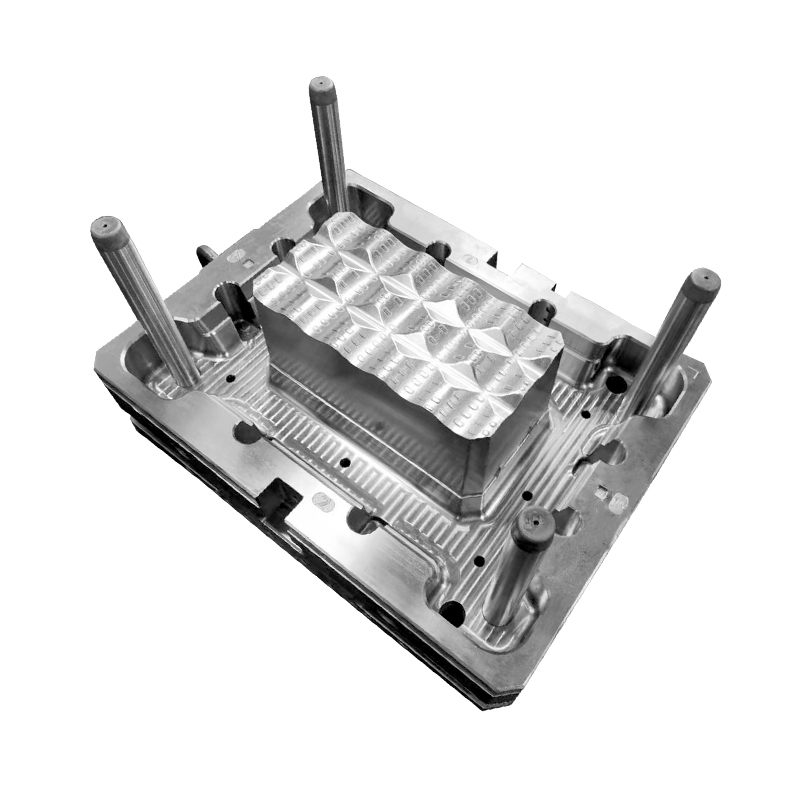
Our Food/Beverage Plastic Crate Mould is meticulously designed to meet the diver...
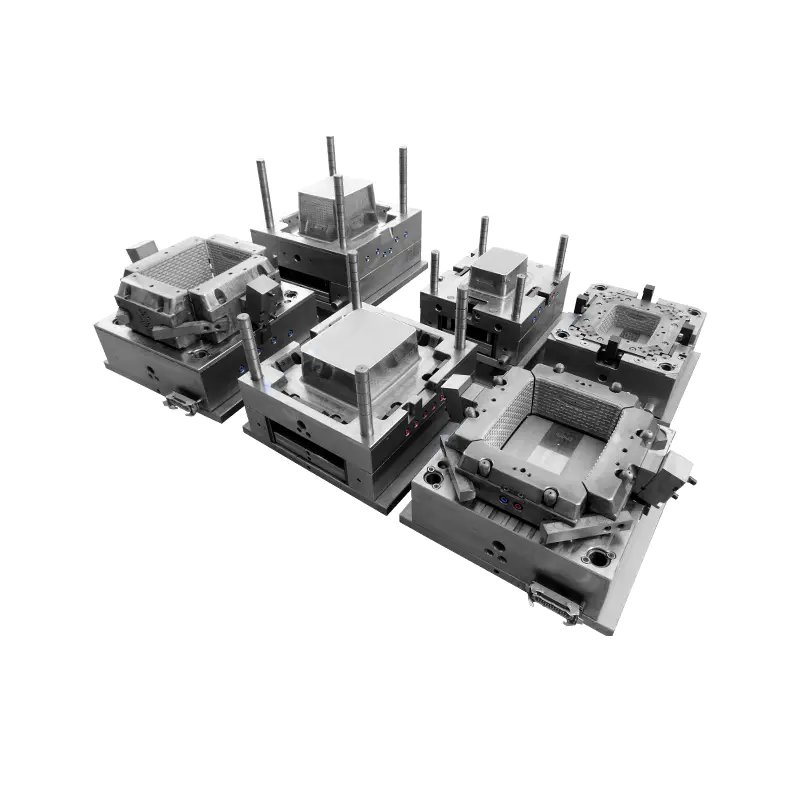
In the realm of plastic furniture storage solutions, our injection mould stands ...
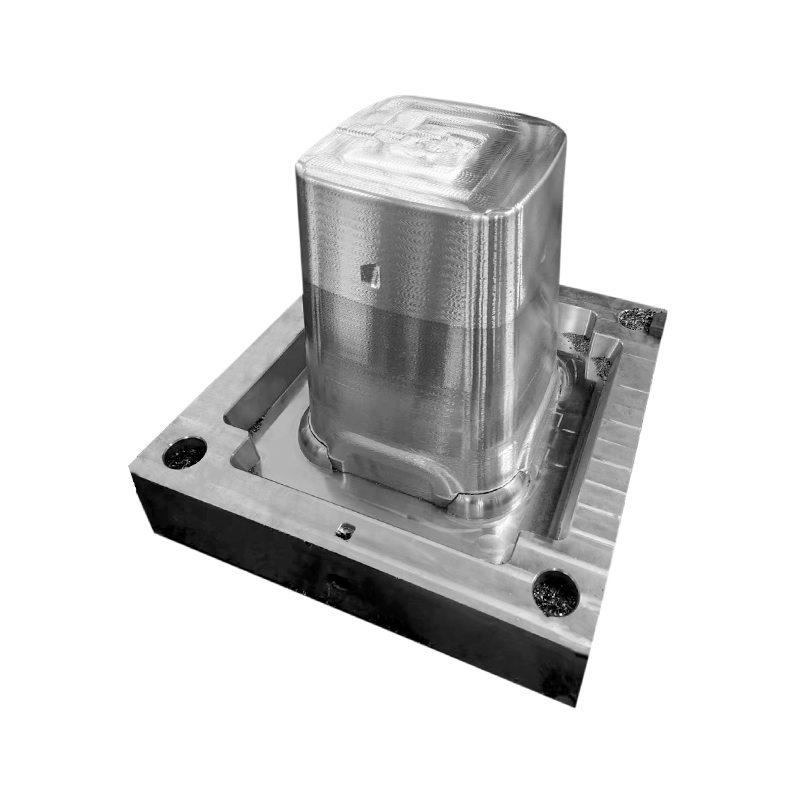
In the realm of contemporary furniture design, the Durable Plastic Rattan Stool ...
Taizhou Huangyan Edge Mould Co., Ltd.
Phone: +86-15068654601
Email: [email protected]
Address: No.62 Zhao Feng Road, Huangyan, Taizhou, Zhejiang, China
Copyright © Taizhou Huangyan Edge Mould Co., Ltd. All Rights Reserved.
