
 English
 Español
 عربى
عربىThe Plastic Thin Space Cup Mould represents an innovation in the manufacturing o...

-

+86-15068654601
-

No.62 Zhao Feng Road, Huangyan, Taizhou, Zhejiang, China
+86-15068654601
No.62 Zhao Feng Road, Huangyan, Taizhou, Zhejiang, China
The toy injection mould has become a foundational tool for the global toy industry, enabling high-volume production of plastic playsets, action figures, building blocks, and educational toys. These moulds are engineered with precision cavities that shape molten plastic into detailed, consistent parts, while meeting strict safety requirements for children's products. Recent manufacturing data indicates that toy injection moulds have evolved significantly to accommodate complex geometries, faster cycle times, and the growing use of sustainable and food-grade materials, driven by consumer demand and regulatory standards. The mould's ability to produce intricate designs with consistent quality has made it indispensable for both mass-market and specialty toy manufacturers.
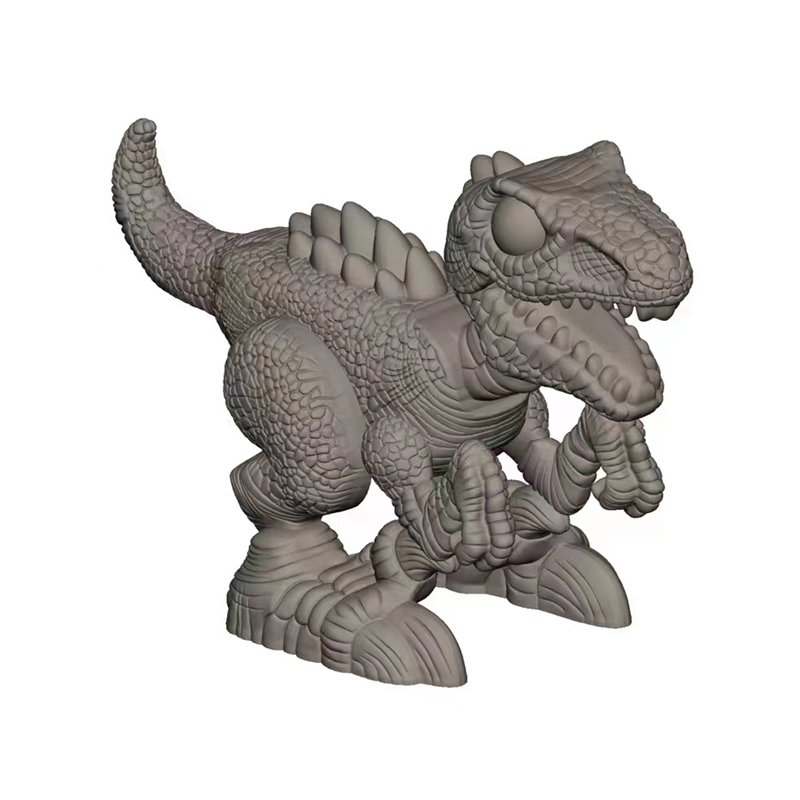
The toy injection mould is designed to produce parts with intricate details, smooth surfaces, and consistent dimensions, all of which are essential for both playability and safety. The cavity layout is tailored to the toy's design, with multiple cavities often used for small parts such as building blocks or action figure accessories, allowing for higher output per cycle. The mould surface is polished or textured to achieve the desired finish, with textures applied through chemical etching or EDM to create realistic details. The design includes slides, lifters, and collapsible cores for parts with undercuts or internal features, enabling the production of complex shapes without increasing cycle time. The mould design also incorporates safety features such as rounded edges and non-toxic material compatibility, ensuring the final products meet safety standards.
The toy injection mould is designed for use with a range of materials that meet toy safety standards, including ASTM F963 and EN 71, which regulate mechanical properties, flammability, and chemical composition. ABS provides impact resistance and good surface finish, making it a common choice for action figures and playsets. Polypropylene offers flexibility and chemical resistance, suitable for soft toys and moving parts. Polyethylene provides durability and low cost, often used for building blocks and basic toys. The mould design must account for the material's flow characteristics and shrinkage behavior to ensure consistent part quality, with the material's viscosity and cooling rate influencing the mould's gating and cooling system design. The mould materials and processing conditions are validated to ensure compliance with safety standards.
The toy injection mould often incorporates hot runner systems that improve production efficiency and reduce material waste, particularly important for high-volume toy production where material costs and cycle times are critical. The hot runner system delivers molten plastic directly to the cavity, eliminating the need for cold runners and reducing cycle times. The hot runner system is designed for balanced filling, with temperature control zones and precise nozzle positioning ensuring consistent material flow to each cavity.
The hot runner system includes:
The toy injection mould is capable of producing a wide range of surface finishes to meet design requirements and create visually appealing products that attract children and parents alike. The mould can produce high-gloss surfaces for shiny toys such as dolls or vehicles, textured surfaces for realistic details such as animal fur or brick patterns, and matte finishes for reduced glare on educational toys. The surface finish can be customized with chemical etching or laser texturing to achieve specific effects, with the finish applied directly to the mould cavity. The surface finish directly impacts the toy's aesthetic appeal and tactile experience, influencing consumer perception and play value.
When selecting a toy injection mould, buyers evaluate cavity design and part complexity, material selection and safety compliance, hot runner systems and cycle efficiency, and surface finish and texturing options. Buyers also consider the manufacturer's experience in toy moulding, the availability of after-sales support and spare parts, and the manufacturer's ability to meet delivery schedules. Proper selection ensures efficient production of safe, high-quality toys that meet both regulatory requirements and market expectations.
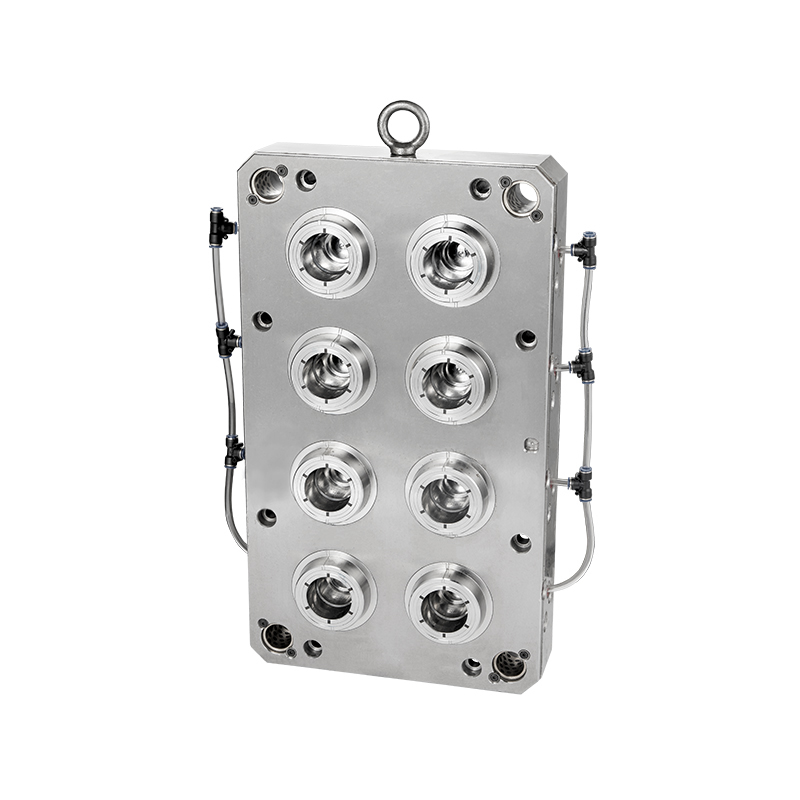
The Plastic Thin Space Cup Mould represents an innovation in the manufacturing o...
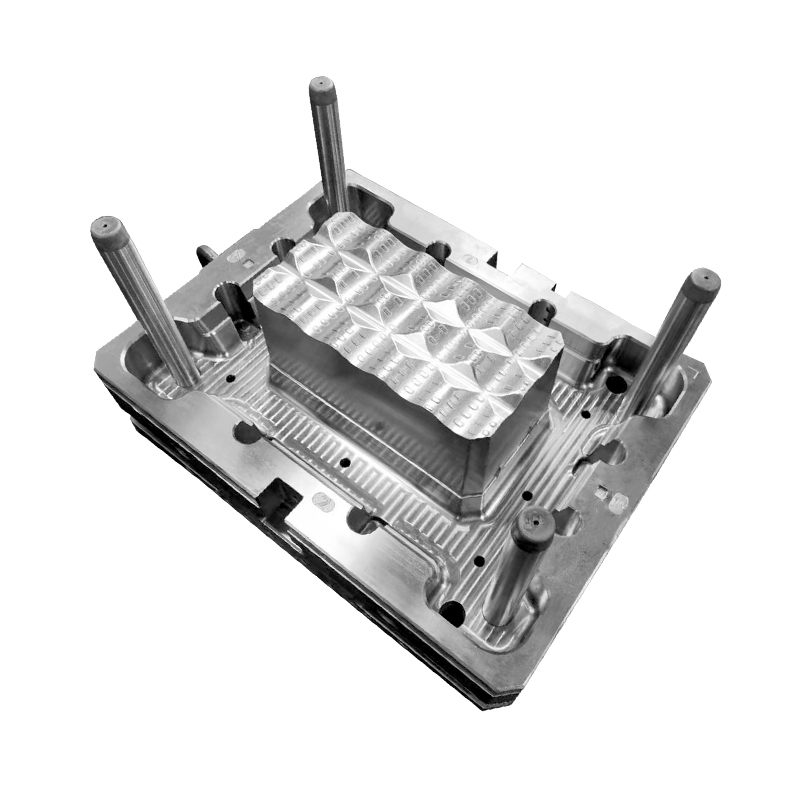
Our Food/Beverage Plastic Crate Mould is meticulously designed to meet the diver...
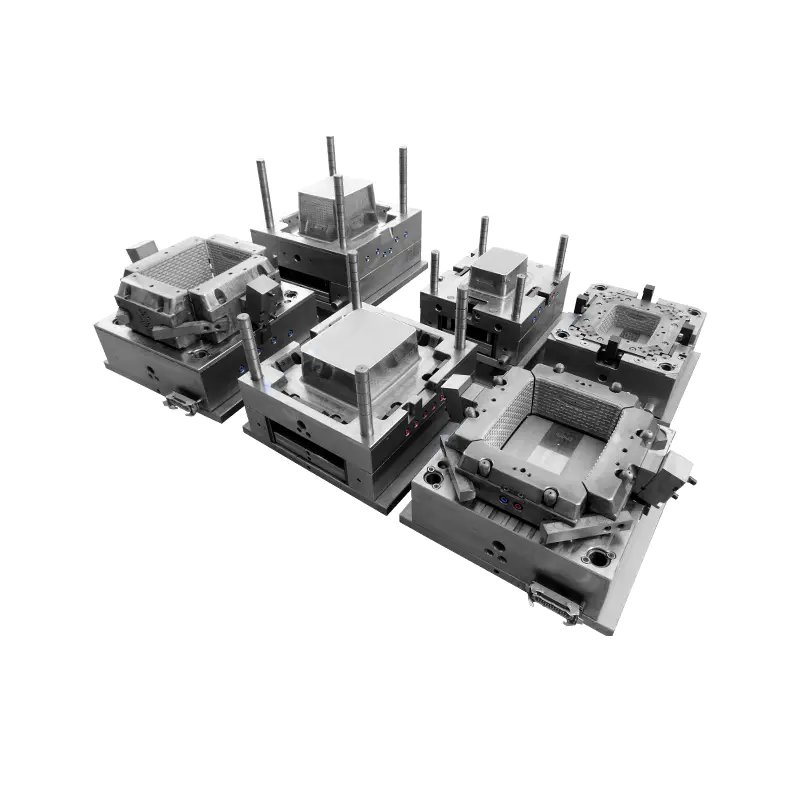
In the realm of plastic furniture storage solutions, our injection mould stands ...
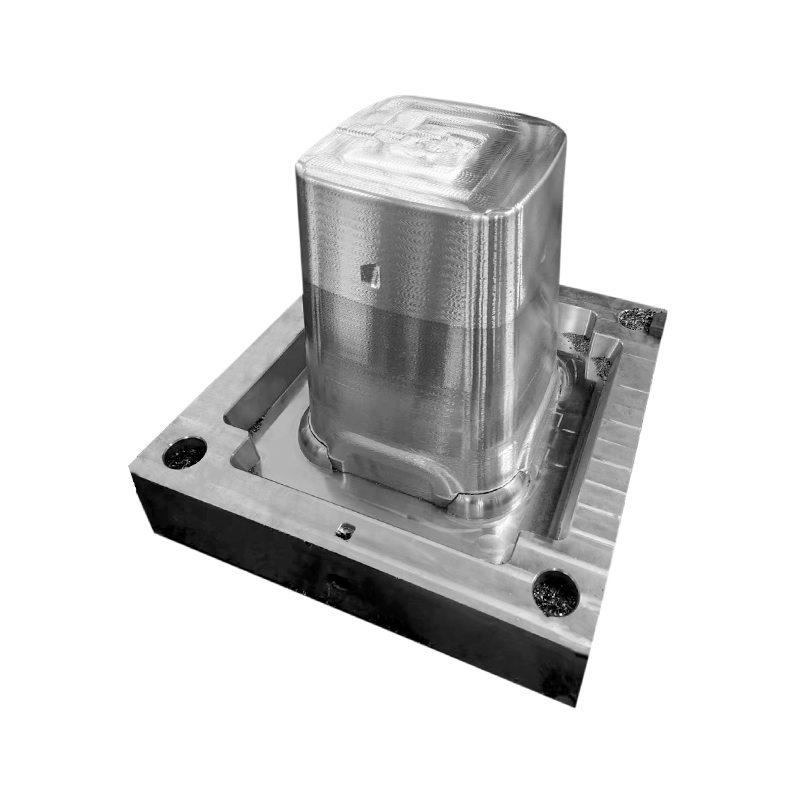
In the realm of contemporary furniture design, the Durable Plastic Rattan Stool ...
Taizhou Huangyan Edge Mould Co., Ltd.
Phone: +86-15068654601
Email: [email protected]
Address: No.62 Zhao Feng Road, Huangyan, Taizhou, Zhejiang, China
Copyright © Taizhou Huangyan Edge Mould Co., Ltd. All Rights Reserved.
