
 English
 Español
 عربى
عربىThe Plastic Thin Space Cup Mould represents an innovation in the manufacturing o...

-

+86-15068654601
-

No.62 Zhao Feng Road, Huangyan, Taizhou, Zhejiang, China
+86-15068654601
No.62 Zhao Feng Road, Huangyan, Taizhou, Zhejiang, China
The household chair mould has become a critical manufacturing tool for furniture producers, enabling the high-volume production of plastic chairs for residential, office, and outdoor use. This mould is engineered to produce chair components with consistent dimensions, smooth surfaces, and the structural strength required for daily use. Recent furniture industry reports indicate that plastic chair moulding has expanded significantly due to advances in material technology and mould design, allowing manufacturers to produce lightweight, durable chairs at competitive costs. The mould's ability to produce complex geometries with integrated features has made it essential for modern furniture manufacturing.
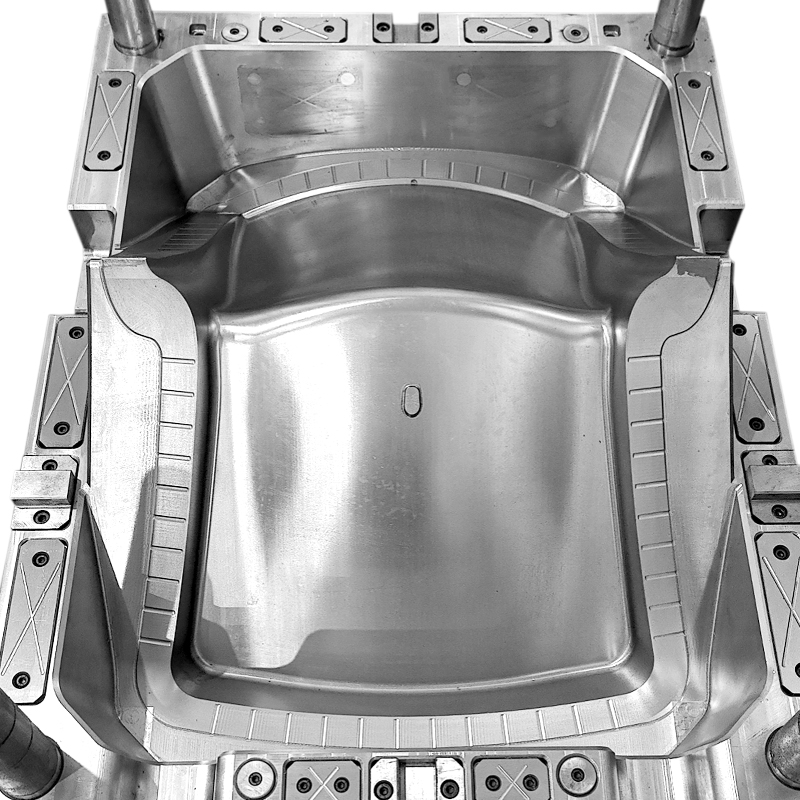
The household chair mould is designed to produce chair components that assemble into a complete seating unit, typically including the seat, backrest, and legs in a single mould or multiple moulds for separate components. The mould cavity is precision-machined to create the chair's form with integrated features such as snap-fit connections, screw bosses, and alignment ribs that facilitate assembly and reduce secondary operations. The mould design includes features such as ribbing and gussets that provide structural reinforcement without adding excessive material weight, ensuring the chair can support typical user loads while remaining lightweight and cost-effective. The mould is designed to produce parts with consistent thickness and dimensional stability, with the gate location and runner system optimized to ensure balanced filling and less weld lines that could affect strength.
The household chair mould is designed for use with materials that provide the necessary strength and durability for seating applications. Polypropylene is commonly used for its impact resistance and flexibility, making it suitable for chairs that may be subjected to dynamic loads or outdoor conditions. Polyethylene is chosen for its durability and chemical resistance, often used for outdoor furniture. The mould design must account for the material's flow characteristics and shrinkage behavior to ensure consistent part quality.
Key material considerations include:
The material selection also considers the part's thickness distribution to avoid sink marks and warpage. The mould design is optimized for the selected material's melt flow and cooling characteristics.
The household chair mould incorporates an efficient cooling system that is critical for achieving ideal cycle times and maintaining part quality. The cooling channels are positioned to provide uniform heat transfer across the mould surface, preventing warpage and ensuring dimensional stability that is essential for proper assembly and seating comfort. The cooling system is designed for rapid heat removal, with optimized coolant flow rates and channel diameters that less cycle times while maintaining part quality. The cooling system includes conformal cooling channels for uniform cooling of complex geometries and high-flow circuits for fast heat removal. The cooling system is designed to be easily maintainable, with access points for cleaning and inspection.
The household chair mould is capable of producing parts with a variety of surface finishes to match different design requirements and market preferences. The mould can produce smooth surfaces for a polished, modern look, textured surfaces for non-slip properties and ergonomic feel, and matte finishes for reduced glare and a more subtle appearance. The surface finish is applied directly to the mould cavity through processes such as chemical etching, EDM texturing, or polishing, with each method offering different levels of durability and consistency. The choice of surface finish also affects the mould's maintenance requirements, as textured surfaces may require more frequent cleaning to maintain their appearance.
The mould's production quality is verified through regular inspections of part dimensions, surface finish, and structural integrity. The mould is tested on an injection molding machine to verify cycle time and part quality, with adjustments made to optimize performance. The mould's service life is extended through regular maintenance, including cleaning, lubrication, and inspection of critical components. Proper maintenance ensures consistent production of high-quality chair components over millions of cycles.
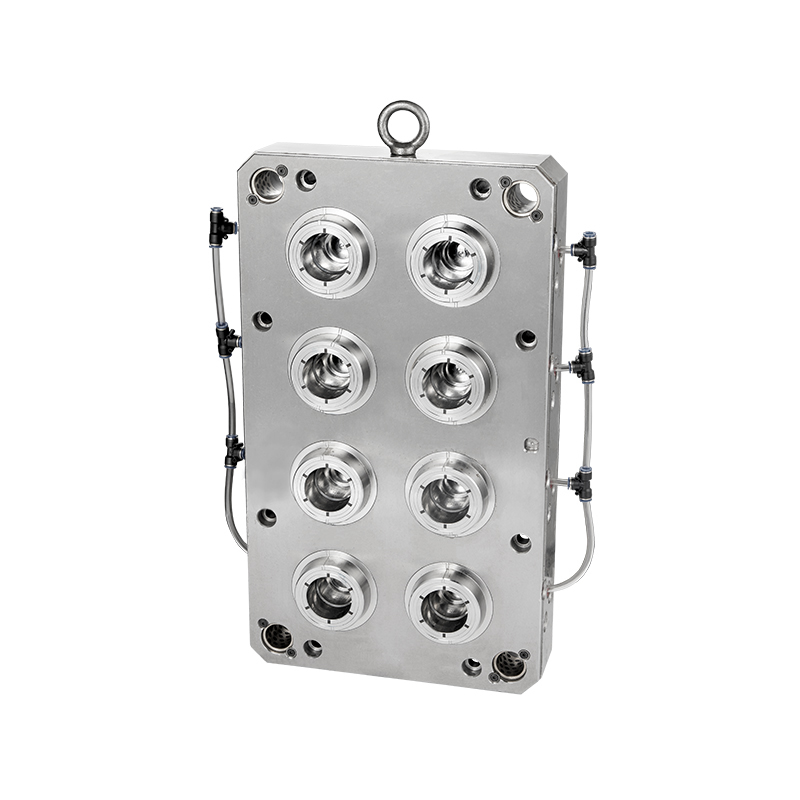
The Plastic Thin Space Cup Mould represents an innovation in the manufacturing o...
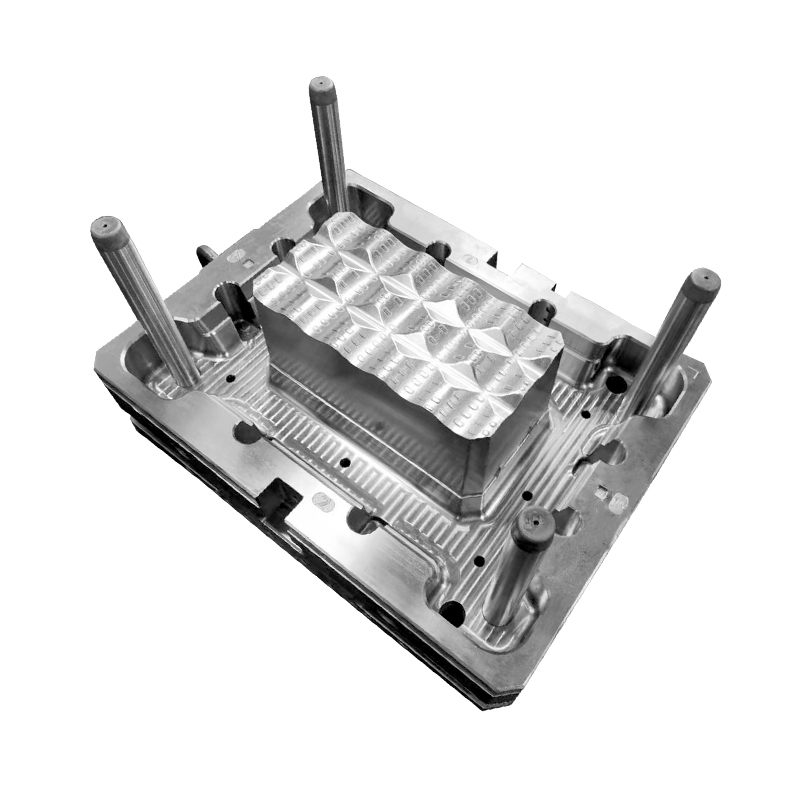
Our Food/Beverage Plastic Crate Mould is meticulously designed to meet the diver...
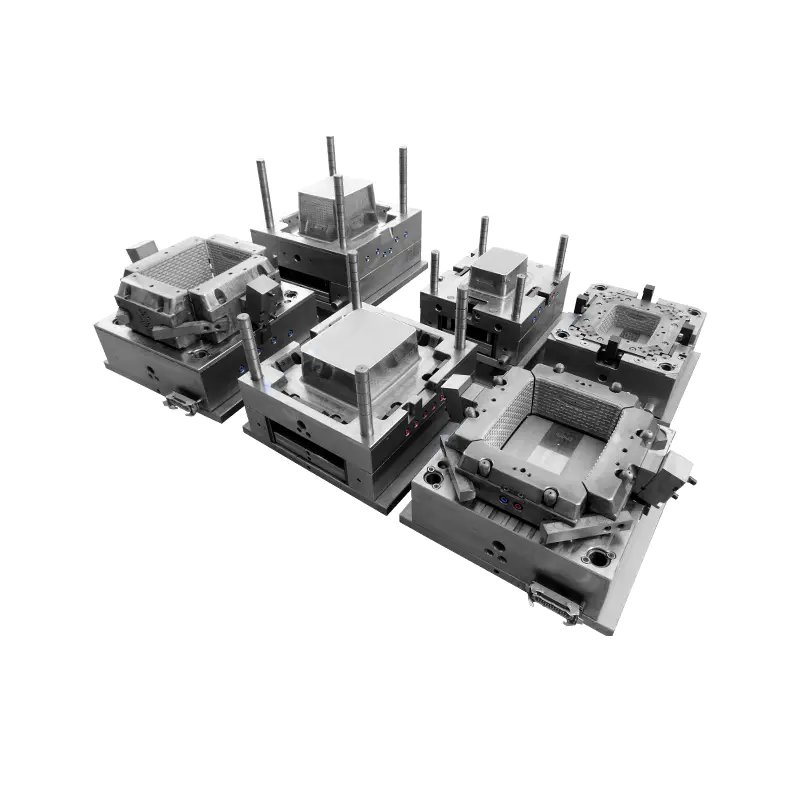
In the realm of plastic furniture storage solutions, our injection mould stands ...
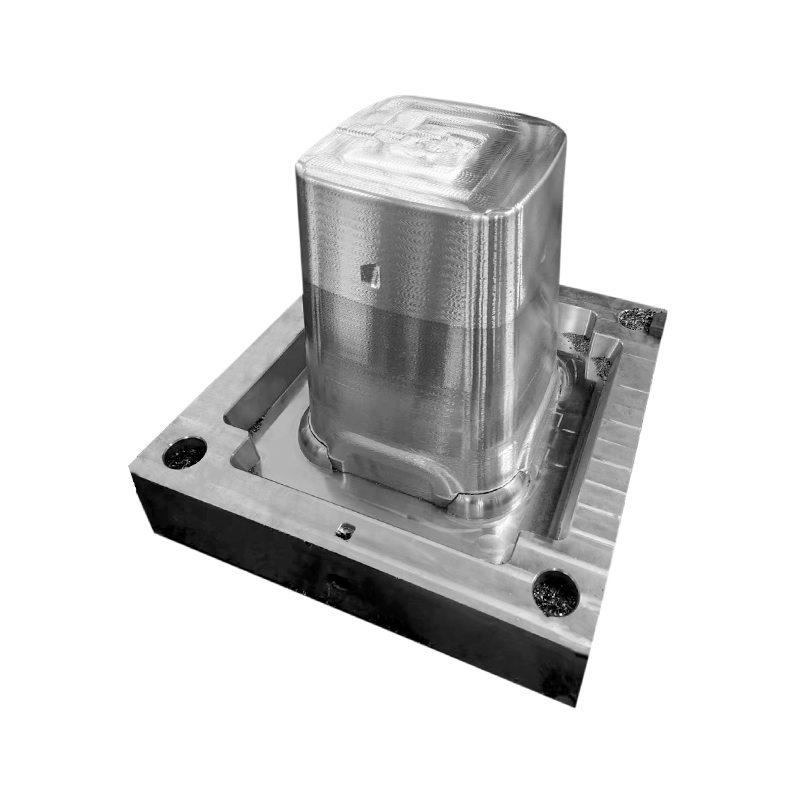
In the realm of contemporary furniture design, the Durable Plastic Rattan Stool ...
Taizhou Huangyan Edge Mould Co., Ltd.
Phone: +86-15068654601
Email: [email protected]
Address: No.62 Zhao Feng Road, Huangyan, Taizhou, Zhejiang, China
Copyright © Taizhou Huangyan Edge Mould Co., Ltd. All Rights Reserved.
