
 English
 Español
 عربى
عربىThe Plastic Thin Space Cup Mould represents an innovation in the manufacturing o...

-

+86-15068654601
-

No.62 Zhao Feng Road, Huangyan, Taizhou, Zhejiang, China
+86-15068654601
No.62 Zhao Feng Road, Huangyan, Taizhou, Zhejiang, China
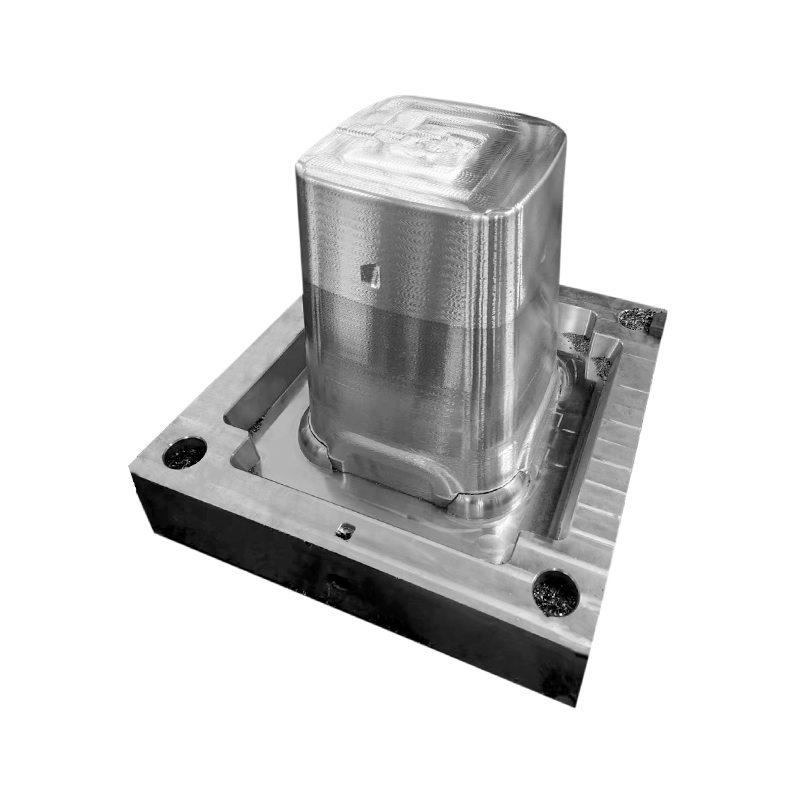
The plastic thin wall food container mould has become an essential tool for packaging manufacturers producing lightweight, disposable containers for the food service and retail industries. This mould is engineered to produce thin-walled containers with wall thicknesses typically ranging from 0.3 to 0.8 millimeters, allowing for material savings and faster production cycles compared to conventional thick-wall moulds. Recent packaging industry reports indicate that thin wall moulding has gained significant traction due to its cost-effectiveness, reduced material usage, and ability to meet the growing demand for sustainable packaging solutions. The mould's precision design ensures consistent part quality across high-speed production runs.
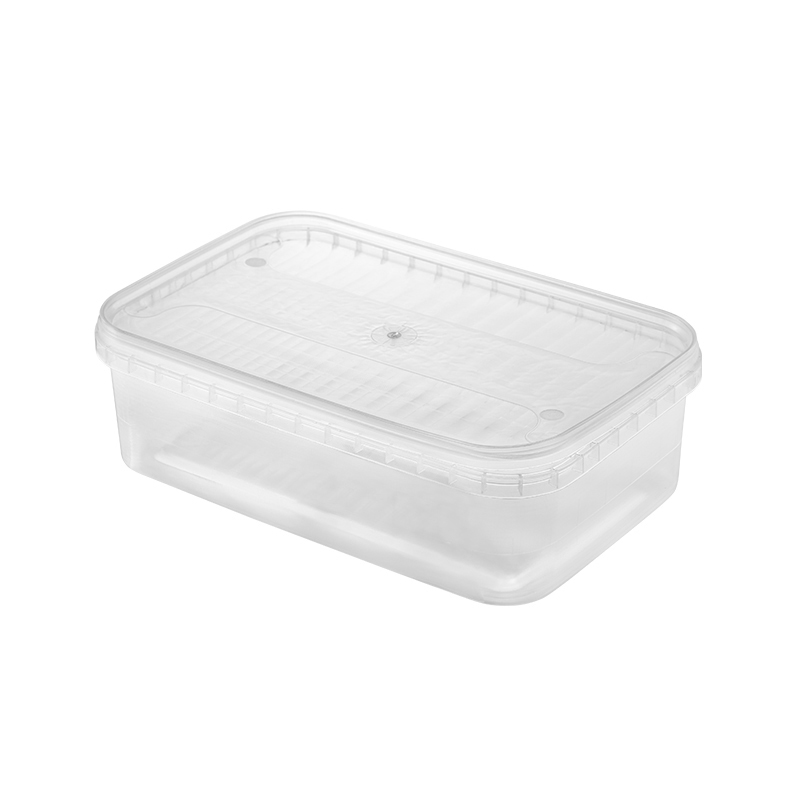
The plastic thin wall food container mould is designed with specialized engineering features that enable the production of lightweight containers with consistent wall thickness and dimensional stability. The mould typically features a hot runner system that delivers molten plastic directly to the cavity, small material waste and reducing cycle times by eliminating runner scrap. The cavity and core are precision-machined from high-grade steel such as S136 or 2316, which provides outstanding wear resistance and corrosion protection for extended production runs. The mould design includes optimized gating and venting systems that ensure proper filling and air evacuation during the injection process, preventing defects such as burn marks or short shots. The thin wall design requires careful consideration of flow characteristics and cooling rates, as the rapid cooling of thin sections can affect part quality and dimensional stability. The gating system is designed to less gate marks on the container's visible surfaces. Key design features include:
Hot runner systems for reduced material waste and faster cycles;
The plastic thin wall food container mould incorporates high-efficiency cooling systems that are critical for achieving fast cycle times and consistent part quality. The cooling channels are strategically positioned to provide uniform heat transfer across the entire cavity surface, which is essential for maintaining dimensional stability and preventing warpage that could affect the container's sealing performance. The cooling system is designed for rapid heat removal, with optimized coolant flow rates and channel diameters that improve heat transfer efficiency. The efficient cooling system enables cycle times as low as 3 to 6 seconds, allowing manufacturers to achieve high production rates. The cooling system includes conformal cooling channels that follow the part contour for uniform cooling, baffles and bubblers for targeted cooling in hard-to-reach areas, high-flow coolant circuits for rapid heat removal, and temperature sensors for process monitoring and control. The cooling channels are designed to be easily cleanable and maintainable.
The plastic thin wall food container mould manufacturer often offers stack mould configurations that further increase production efficiency. Stack moulds feature two or more parting lines, allowing multiple layers of containers to be produced in each cycle, effectively doubling or tripling the output without increasing the machine size. The stack mould incorporates a central hot runner system that distributes plastic to all layers, with the moving platen allowing the mould to open at multiple points for part ejection. The stack design is particularly beneficial for high-volume production where efficiency is critical. The stack mould requires precise alignment and synchronization, with the manufacturer's expertise in stack mould design being an important factor for consistent performance. The stack mould design also requires careful consideration of cooling and ejection systems for each layer.
The plastic thin wall food container mould is designed for use with a range of thermoplastic materials commonly used in food packaging, including polypropylene for microwaveable containers, polyethylene for cold food storage, and polystyrene for deli containers. The mould design must account for the material's flow characteristics and shrinkage behavior to ensure consistent part quality.
When selecting a plastic thin wall food container mould, buyers evaluate the manufacturer's experience in thin wall moulding, the availability of after-sales support and spare parts, and the manufacturer's ability to meet delivery schedules. Proper selection ensures efficient, high-volume production of quality food containers.
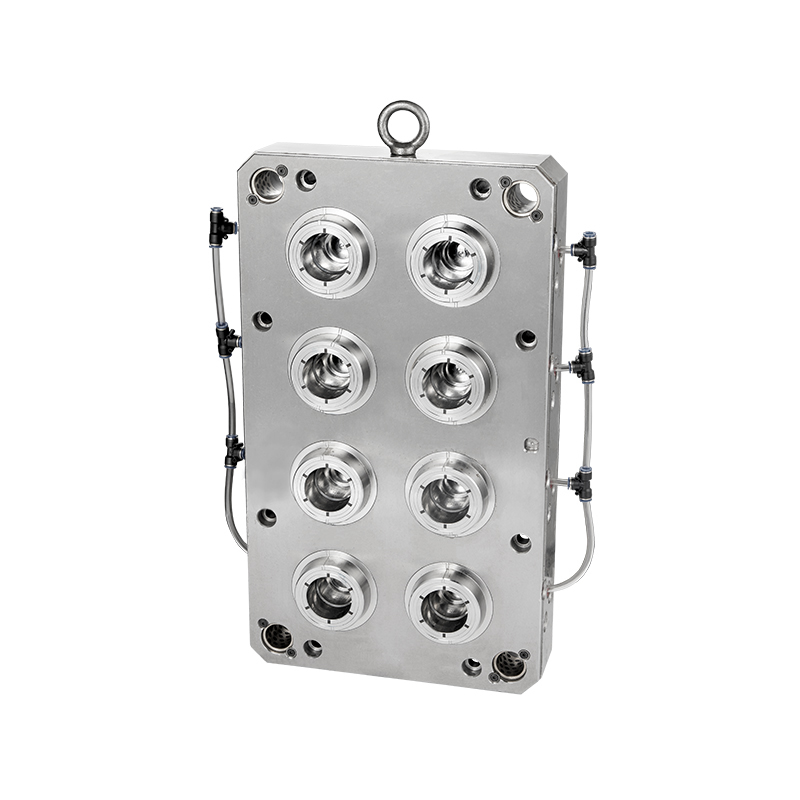
The Plastic Thin Space Cup Mould represents an innovation in the manufacturing o...
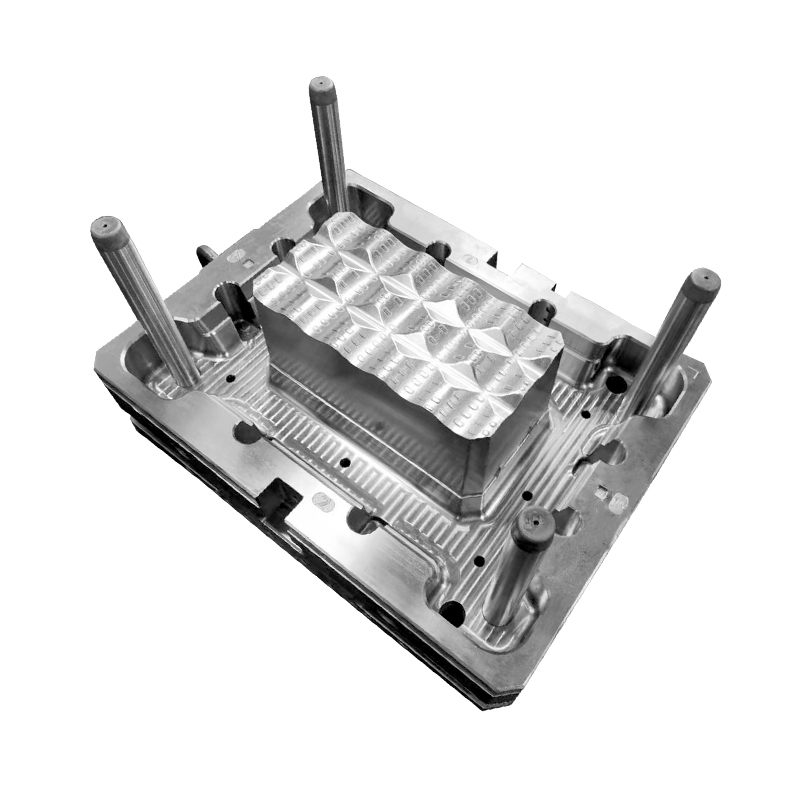
Our Food/Beverage Plastic Crate Mould is meticulously designed to meet the diver...
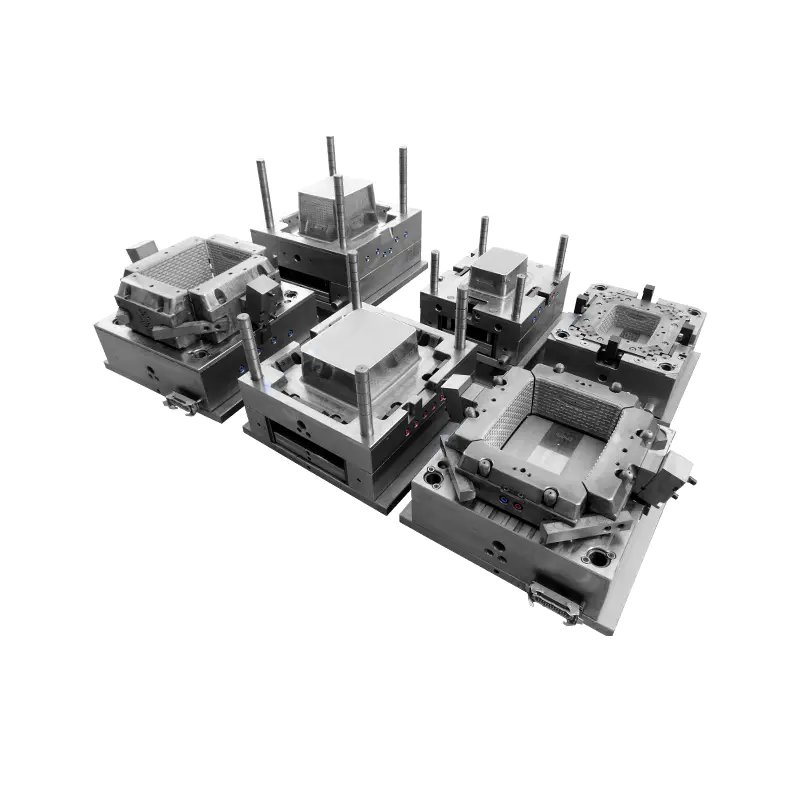
In the realm of plastic furniture storage solutions, our injection mould stands ...
In the realm of contemporary furniture design, the Durable Plastic Rattan Stool ...
Taizhou Huangyan Edge Mould Co., Ltd.
Phone: +86-15068654601
Email: [email protected]
Address: No.62 Zhao Feng Road, Huangyan, Taizhou, Zhejiang, China
Copyright © Taizhou Huangyan Edge Mould Co., Ltd. All Rights Reserved.
