
 English
 Español
 عربى
عربىThe Plastic Thin Space Cup Mould represents an innovation in the manufacturing o...

-

+86-15068654601
-

No.62 Zhao Feng Road, Huangyan, Taizhou, Zhejiang, China
+86-15068654601
No.62 Zhao Feng Road, Huangyan, Taizhou, Zhejiang, China
Disposable cups are everywhere. Coffee shops. Fast food restaurants. Office water coolers. They are thin. Light. Cheap. A thin wall space cup mould makes these cups. The mould shapes molten plastic into a cup in under two seconds. The walls are less than a millimeter thick. The cup needs to be strong enough to hold liquid. Thin enough to save material. Here is what buyers should know.
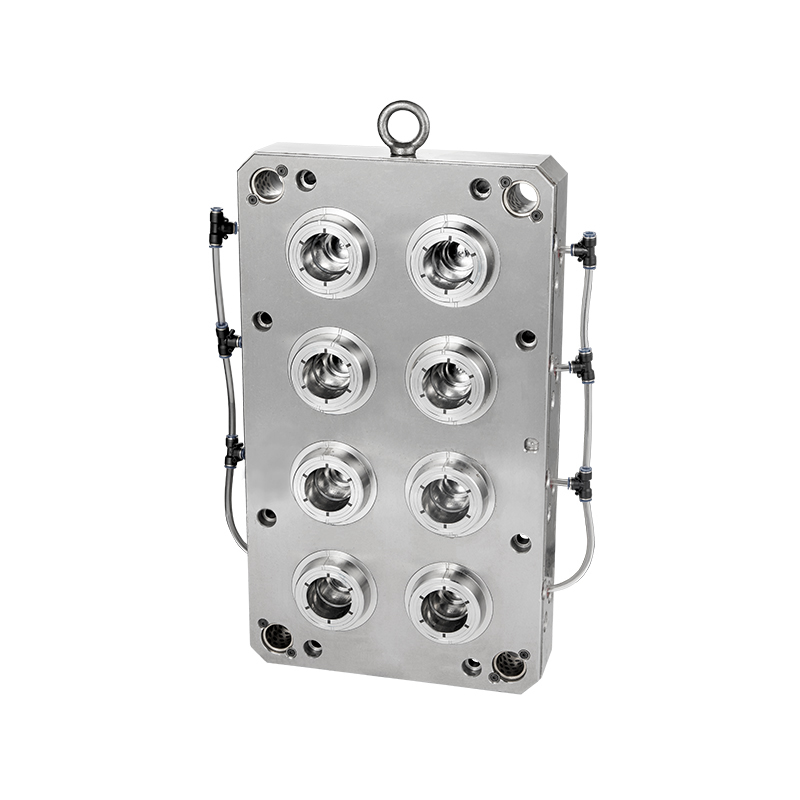
The mould forms a complete cup in one shot
A thin wall space cup mould is a steel tool that fits into an injection molding machine. Molten plastic shoots into the mould at high speed. The cavity fills in a fraction of a second. The plastic cools. The mould opens. The cup drops out. The whole cycle takes 3 to 5 seconds.
The mould has multiple cavities. A small mould has 4 cavities. A large mould has 16 or 24. Each cavity makes one cup. More cavities means more cups per cycle. More cups per hour.
The walls are thin, so cooling must be fast
Plastic shrinks as it cools. Thin walls cool fast. Thick areas cool slow. A thin wall space cup mould needs cooling channels close to the cavity surface. Water runs through the channels. It pulls heat out of the plastic. The cup solidifies quickly. The cycle time stays low.
If cooling is uneven, the cup warps. The rim is not round. The base is not flat. The cup does not stack. It does not seal with a lid.
Higher injection pressure is required to fill thin cavities
Thin walls freeze off fast. The plastic must fill the cavity before it cools. A thin wall space cup mould needs high injection pressure. 1,500 to 2,500 bar. Standard moulds run at 800 to 1,200 bar.
The mould must withstand that pressure. Thick steel. Hardened surfaces. No flex.
The hot runner system must deliver plastic evenly
Each cavity needs the same amount of plastic at the same temperature. A thin wall space cup mould uses a hot runner system. The plastic stays molten all the way to the gate. No frozen plastic blocking the flow.
Gates are small. 0.5 to 1 millimeter. The plastic shoots through the gate at high speed. The gate leaves a small mark on the cup. The mark should be on the bottom or the side where no one sees it.
Cavity count matches your production volume
A 4-cavity thin wall space cup mould makes about 3,000 cups per hour. Good for small runs or startups. A 16-cavity mould makes 12,000 cups per hour. A 24-cavity mould makes 18,000 cups per hour.
Higher cavity count means higher mould cost. Longer delivery time. More complex cooling. But lower cost per cup.
Here is how cavity count affects output:
Steel quality determines mould life
A thin wall space cup mould runs millions of cycles. The steel must not wear. The cavity surface must stay smooth. Any scratch shows up on every cup.
Hardened tool steel is standard. H13 or similar. Heat treated to 48-52 HRC. Soft steel wears out in a few hundred thousand cycles. The cups come out cloudy. The mould is scrap.
Cooling channel design affects cycle time
The faster the cup cools, the faster the cycle. A thin wall space cup mould with straight drilled cooling channels works. Conformal cooling works better. The channels follow the shape of the cup. Heat is pulled out evenly. Cycle time drops.
Here is what cooling design does:
The mould runs hot and cycle time is long
No cooling or poor cooling. The thin wall space cup mould stays hot. The plastic takes too long to cool. Cycle time doubles. Production drops in half. The buyer needs two machines to get the same output.
The cavities wear out and cups stick
Soft steel. The cavity surface wears. The cup sticks to the mould. Ejector pins push it out. The pin marks are deep. The cup looks bad.
The gate leaves a sharp point on the cup
Gate design is poor. The plastic breaks off unevenly. A sharp point remains. The cup cuts fingers. The customer complains.
The cup is not round
Uneven cooling. The thin wall space cup mould makes cups that are oval. They do not stack. They do not fit lids. The batch is scrap.
A thin wall space cup mould is an expensive tool. A 16-cavity mould costs $30,000 to $60,000. A 24-cavity mould costs $50,000 to $90,000. But that mould makes millions of cups. The cost per cup is fractions of a cent.
Match cavity count to your volume. Use hardened steel. Design good cooling. Test the mould before full production.
A cheap mould costs less upfront. It runs slow. It wears out. It makes bad cups. You lose money.
A good mould costs more. It runs fast. It lasts for years. It makes good cups every cycle. That is the difference. Pay for quality. Your production line depends on it. Your customers will see the difference in every cup.
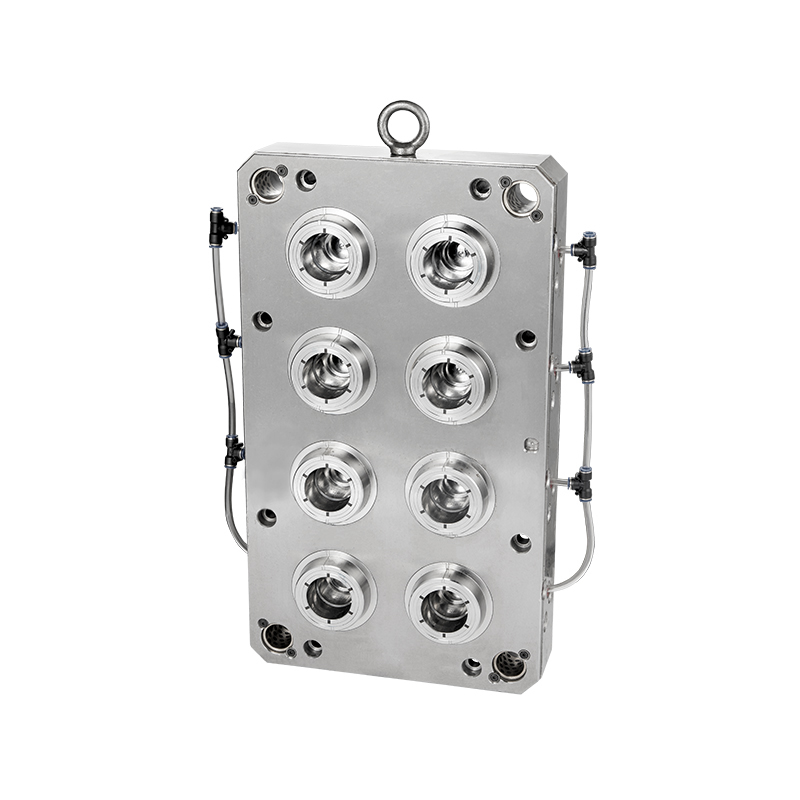
The Plastic Thin Space Cup Mould represents an innovation in the manufacturing o...
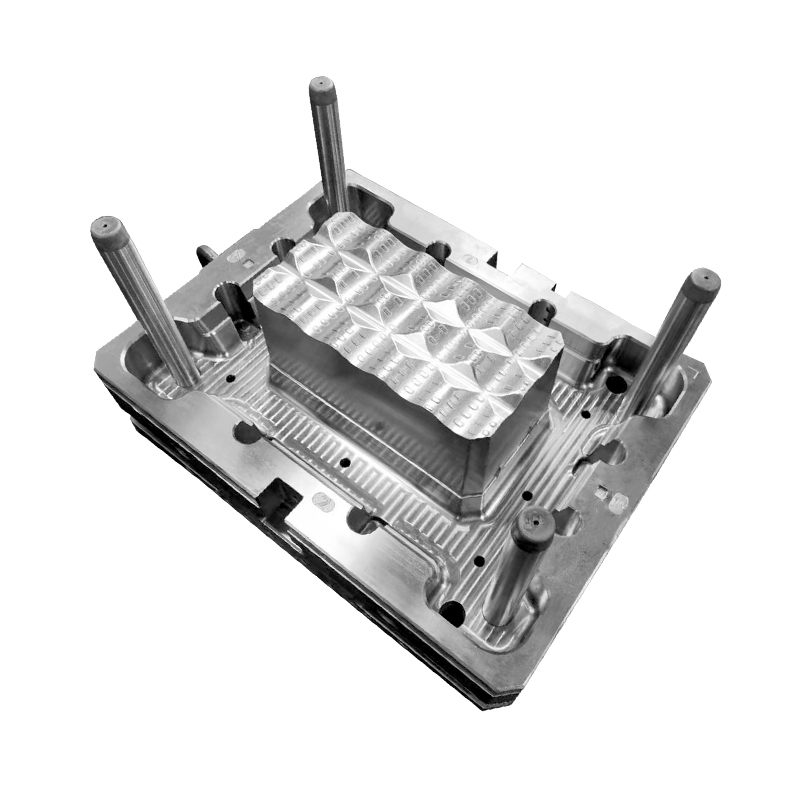
Our Food/Beverage Plastic Crate Mould is meticulously designed to meet the diver...
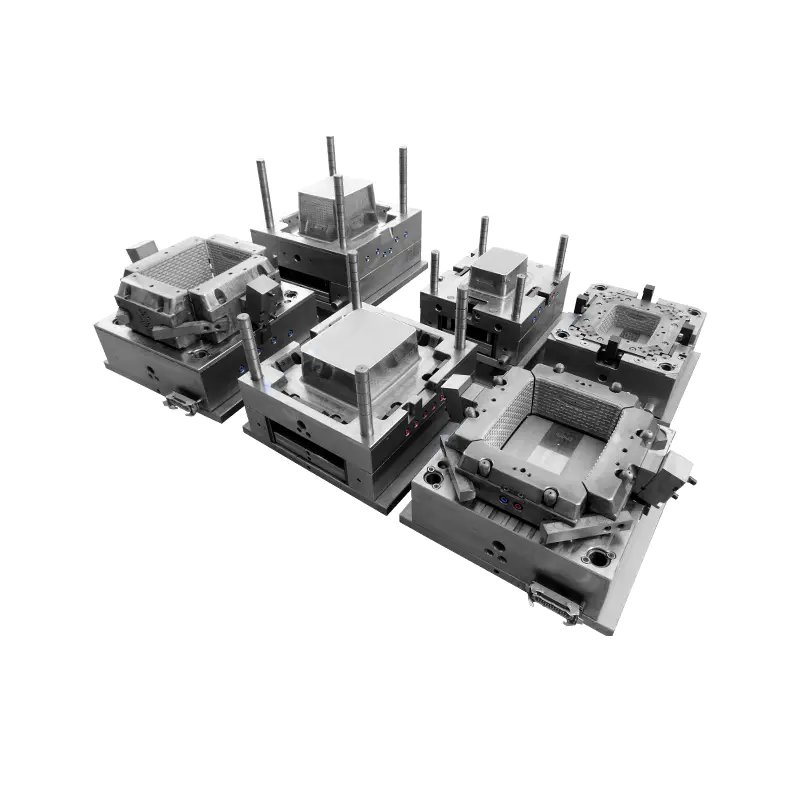
In the realm of plastic furniture storage solutions, our injection mould stands ...
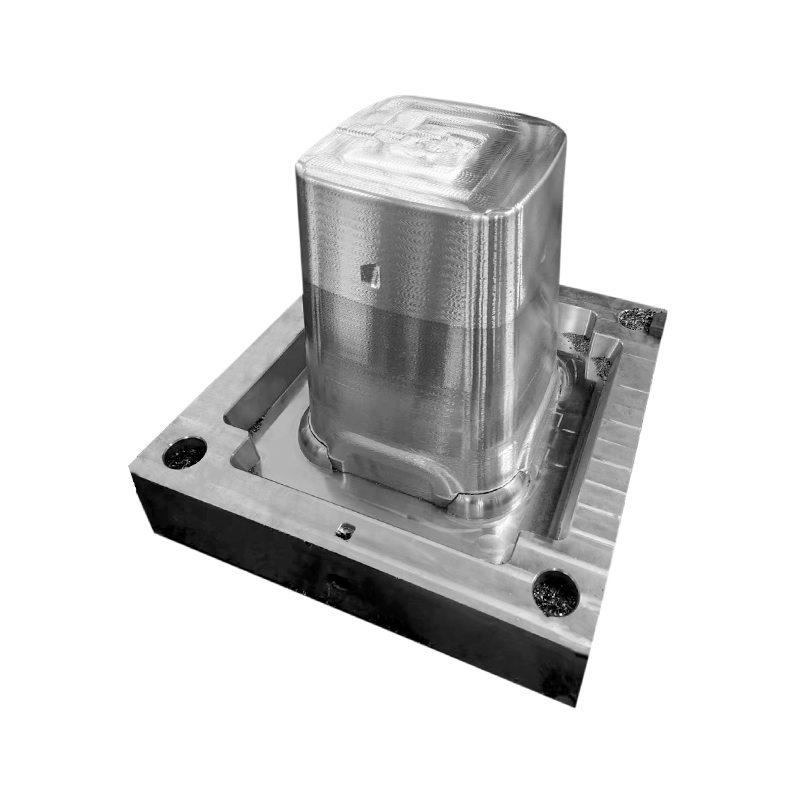
In the realm of contemporary furniture design, the Durable Plastic Rattan Stool ...
Taizhou Turnkey Mould Co., Ltd.
Phone: +86-15068654601
Email: [email protected]
Address: No.62 Zhao Feng Road, Huangyan, Taizhou, Zhejiang, China
Copyright © Taizhou Turnkey Mould Co., Ltd. All Rights Reserved.
