
 English
 Español
 عربى
عربىThe Plastic Thin Space Cup Mould represents an innovation in the manufacturing o...

-

+86-15068654601
-

No.62 Zhao Feng Road, Huangyan, Taizhou, Zhejiang, China
+86-15068654601
No.62 Zhao Feng Road, Huangyan, Taizhou, Zhejiang, China
Plastic cutlery is everywhere. Takeout meals, picnics, cafeterias, and parties all use them. Millions of forks, knives, and spoons are produced every day. A multi-cavity cutlery mould makes that volume possible. One mould produces multiple pieces per cycle. The more cavities, the higher the output. Here is what buyers need to know.
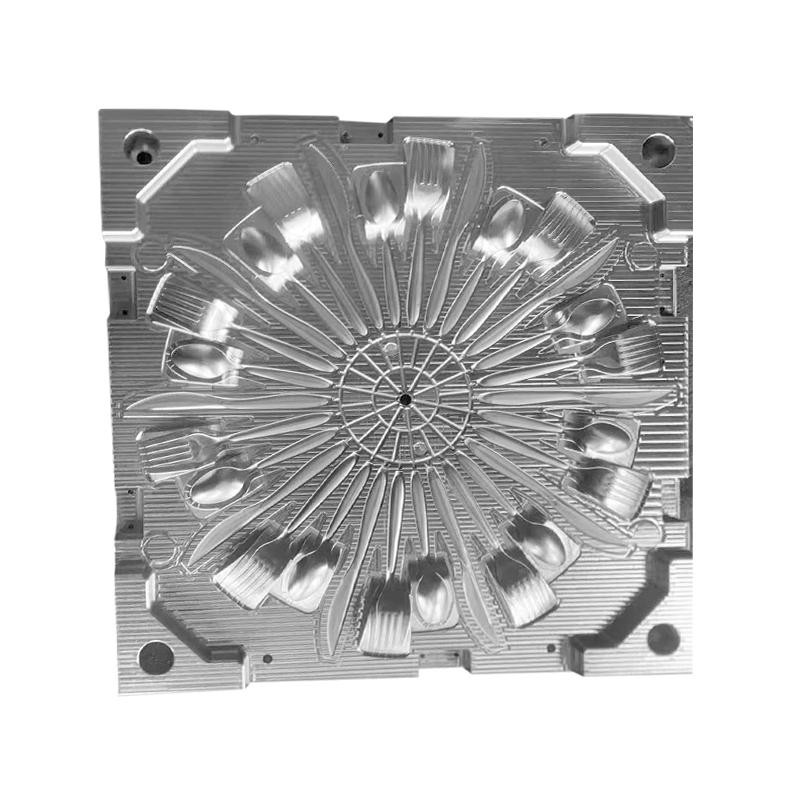
The mould produces several pieces in each cycle
A standard mould might have one cavity. It produces one part per cycle. A multi-cavity cutlery mould has 8, 16, 24, or even 48 cavities. Each cavity is identical. Each produces the same fork, knife, or spoon.
The machine injects plastic into all cavities at once. The parts cool. The mould opens. The parts eject. One cycle produces dozens of pieces. The cycle time is seconds. The output is high.
The cavities are balanced for even filling
Each cavity needs the same amount of plastic at the same temperature. A multi-cavity cutlery mould has a runner system that delivers plastic evenly. The runner branches from the sprue to each cavity. The distance from the sprue to each cavity is equal. The flow is balanced.
If the flow is not balanced, some cavities fill. Others do not. The parts are incomplete. The mould does not run efficiently.
Fork moulds
Forks have tines. The tines are thin. They are hard to fill. A multi-cavity cutlery mould for forks needs high injection pressure. The plastic must flow to the ends of the tines before it cools.
Knife moulds
Knives are solid. They are easier to fill than forks. A multi-cavity cutlery mould for knives has simpler flow paths.
Spoon moulds
Spoons have a bowl shape. The bowl is deep. The plastic must flow into the bowl without creating sink marks. A multi-cavity cutlery mould for spoons has features to prevent sink marks.
Cavity count
More cavities mean higher output. A multi-cavity cutlery mould with 16 cavities produces twice as many parts as an 8-cavity mould. The mould costs more. The machine needs more clamping force. The output per hour is higher.
Here is what cavity count does:
Runner system
The runner delivers plastic to the cavities. A hot runner keeps the plastic molten. It wastes less material. A multi-cavity cutlery mould with a hot runner costs more upfront. It saves material over the life of the mould.
A cold runner leaves a sprue and runner attached to the parts. The sprue and runner are scrap. They are reground and reused. The material costs less. The cycle time is longer.
Cooling system
The parts need to cool before ejection. A multi-cavity cutlery mould with good cooling reduces cycle time. The parts cool evenly. They are less likely to warp.
Here is what to check in a multi-cavity cutlery mould:
The cavities do not fill evenly
Poor runner balance. Some cavities fill. Others do not. The parts are incomplete. The production is slow.
The parts stick in the cavities
Poor surface finish. The plastic sticks. The parts do not eject. The mould stops. The operator cleans the cavities. The production is delayed.
The tines break
Forks have thin tines. The plastic does not fill the tines completely. The tines are weak. They break in use.
The mould wears out
The mould runs millions of cycles. The cavities wear. The parts are not as sharp. The dimensions drift. The parts do not fit together. The mould needs repair.
A multi-cavity cutlery mould is an investment. A good mould runs for millions of cycles. It produces consistent parts. It fills evenly. It cools quickly. It wears slowly. A cheap mould fails. The cavities do not fill. The parts stick. The tines break. Not worth the savings. Buy a mould that matches your output needs. Good steel. Balanced runners. Even cooling. Your production will run smoothly. Your parts will be consistent. Your customers will be happy. That is the goal of a multi-cavity mould. High-volume production of quality parts. A good mould does that. A bad one does not.
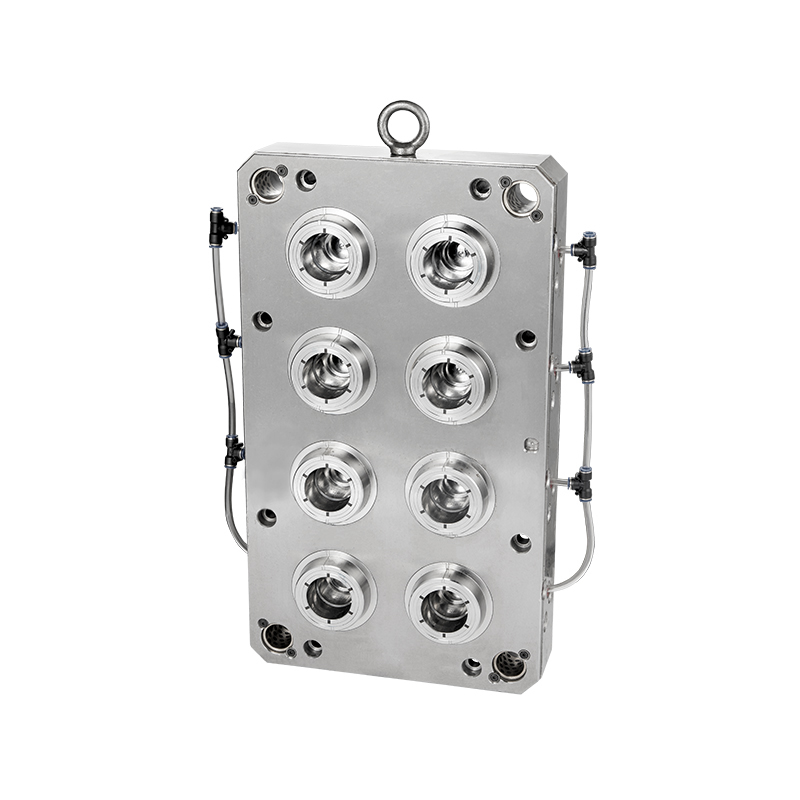
The Plastic Thin Space Cup Mould represents an innovation in the manufacturing o...
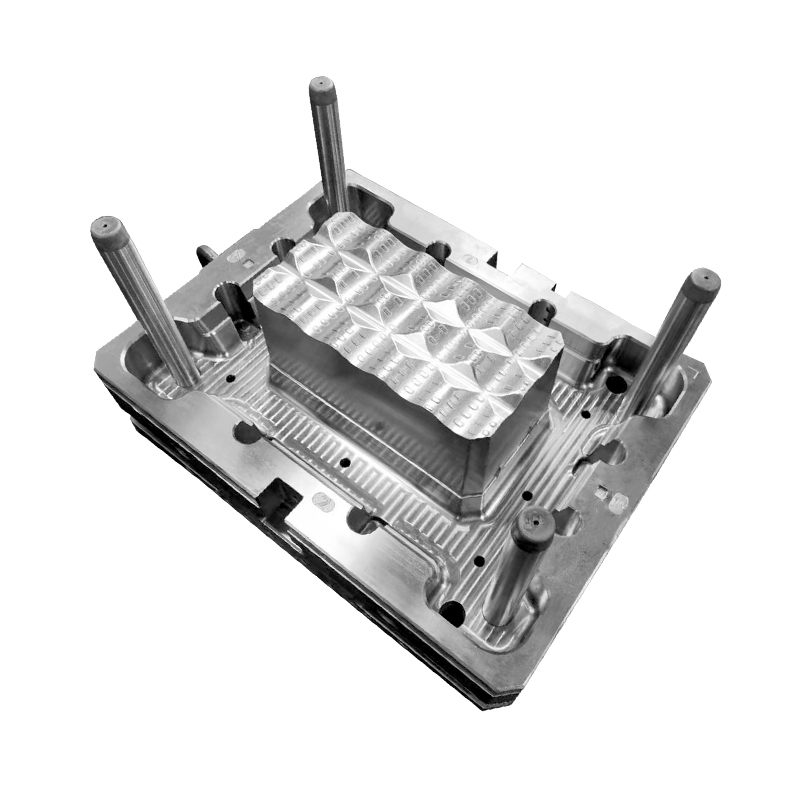
Our Food/Beverage Plastic Crate Mould is meticulously designed to meet the diver...
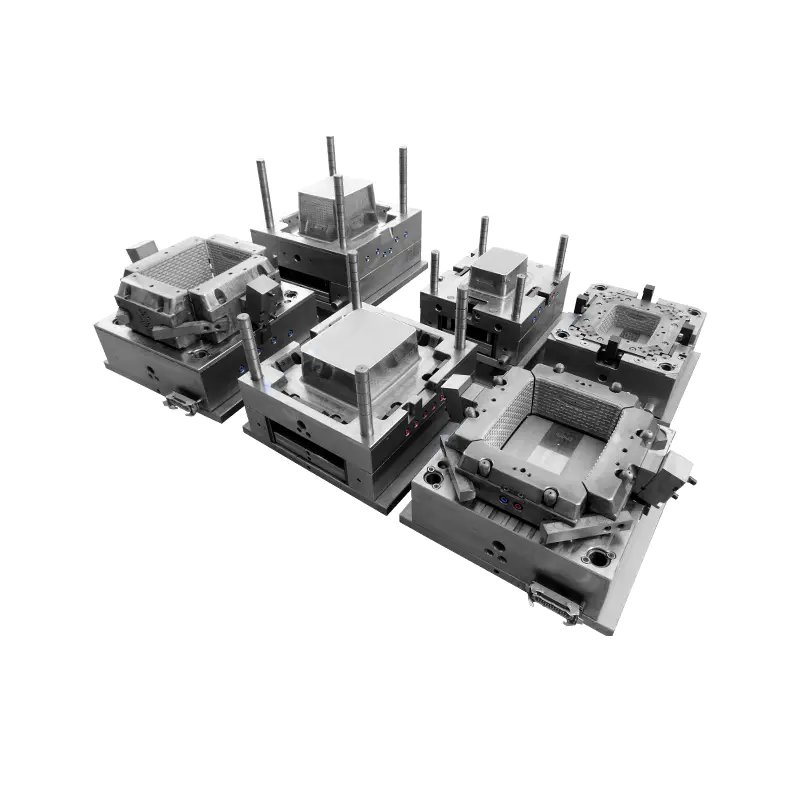
In the realm of plastic furniture storage solutions, our injection mould stands ...
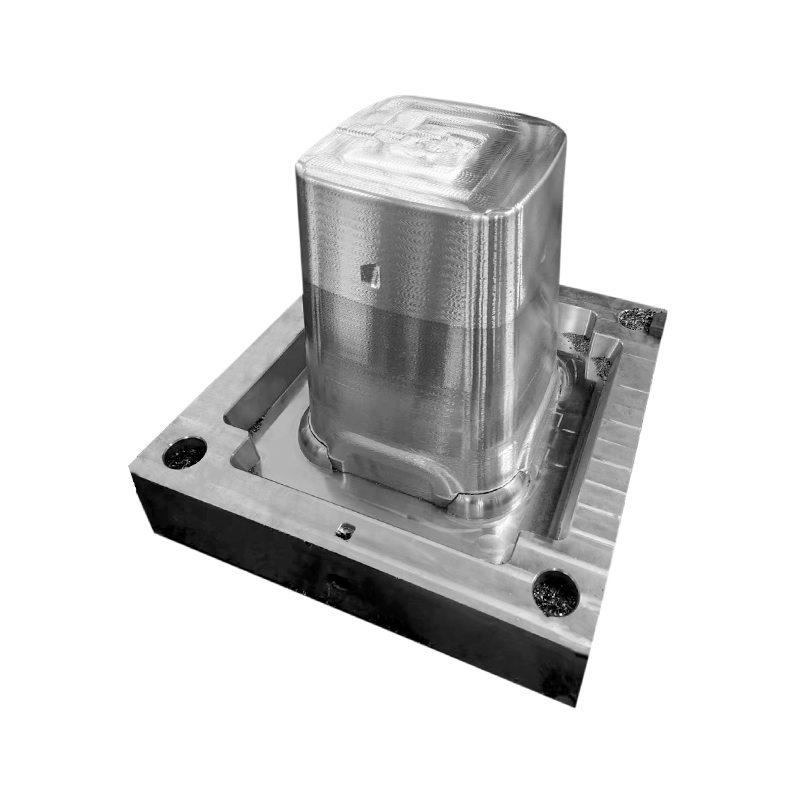
In the realm of contemporary furniture design, the Durable Plastic Rattan Stool ...
Taizhou Huangyan Edge Mould Co., Ltd.
Phone: +86-15068654601
Email: [email protected]
Address: No.62 Zhao Feng Road, Huangyan, Taizhou, Zhejiang, China
Copyright © Taizhou Huangyan Edge Mould Co., Ltd. All Rights Reserved.
