
 English
 Español
 عربى
عربىThe Plastic Thin Space Cup Mould represents an innovation in the manufacturing o...

-

+86-15068654601
-

No.62 Zhao Feng Road, Huangyan, Taizhou, Zhejiang, China
+86-15068654601
No.62 Zhao Feng Road, Huangyan, Taizhou, Zhejiang, China
A round plastic tub of ricotta. A rectangular container of feta in brine. A snap-on lid that seals until the consumer peels it open. These containers weigh a few grams. The walls are thin, often under a millimeter. The sealing rim must be flat enough to hold a foil membrane or a snap lid without leaking. A thin wall cheese container mould produces these parts at speeds measured in seconds per cycle. The mould fills fast, cools instantly, and ejects the part before it has a chance to warp. For dairy packaging converters and private label suppliers, the mould is the difference between a container that seals and one that leaks brine across a refrigerated shelf.
Filling a Cavity Where the Wall Is Thinner Than a Credit Card
The melt enters through a hot runner system with a valve gate in the center of the cavity. From there, the plastic flows radially outward, filling the base and then splitting to flow up the side walls. The wall thickness can be 0.5 millimeters or less. At that gauge, the melt freezes fast. A thin wall cheese container mould has to fill the cavity completely before the flow front solidifies. Injection speeds are high. The gate diameter is sized to deliver the required fill rate without degrading the polymer.
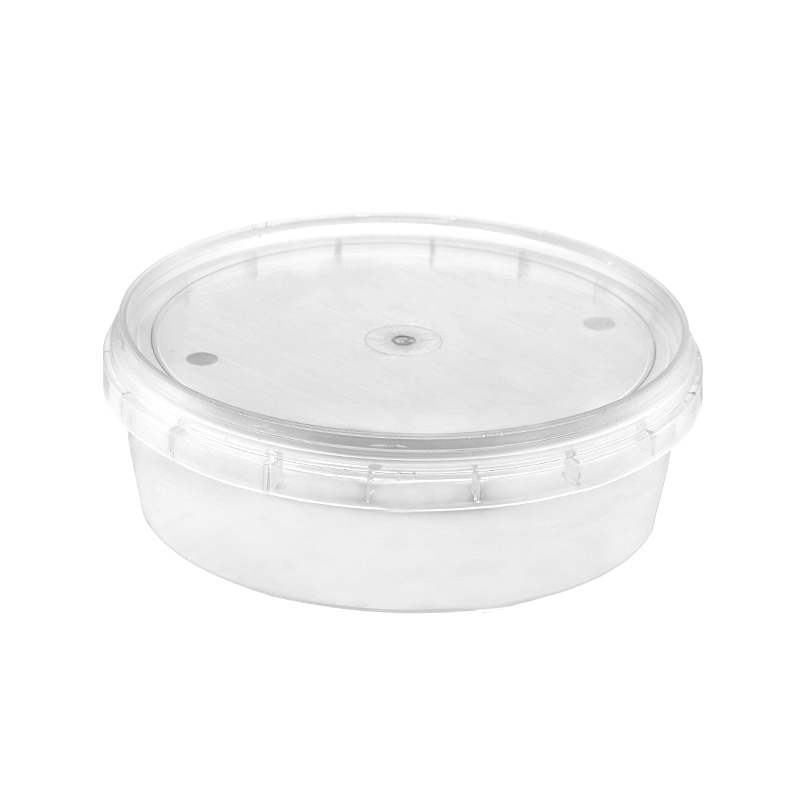
The material is typically polypropylene or a PP-EVOH-PP barrier structure for extended shelf life. The barrier layer blocks oxygen, keeping the cheese fresh. A thin wall cheese container mould designed for multi-layer co-injection positions the barrier layer in the core of the wall, where it is protected by PP skins.
The parting line runs around the top rim of the container. That rim is the sealing surface. A thin wall cheese container mould with a precision-ground parting line produces rims that are flat, smooth, and free of flash. A foil membrane heat-seals to that rim. If the rim is not flat, the seal fails and the container leaks.
Cycle time is everything in thin wall packaging. The part is thin, so it cools quickly. The mould has to pull heat out even faster to hit the cycle time targets. A thin wall cheese container mould uses conformal cooling channels in both the core and cavity, following the contour of the container. The cooling is aggressive, with chilled water circulating close to the mould surface.
The core is the inside shape of the container. A thin wall cheese container mould with a properly designed bubbler or spiral cooling system in the core pulls heat from deep inside the part. Uniform cooling on both sides of the wall prevents warpage. A round container that cools faster on one side warps into an oval. An oval container does not seal.
The mould temperature has to be balanced. Too cold and the melt freezes before filling, causing a short shot. Too hot and the part sticks to the core or warps after ejection. A thin wall cheese container mould manufacturer specifies the ideal mould temperature for the polymer grade.
A thin wall container is flexible when hot. It has little structural strength. Ejector pins that push too hard leave marks or punch through. A thin wall cheese container mould uses a stripper ring that pushes on the container rim, plus air ejection through the core to break the vacuum between the part and the steel. The part lifts off gently and drops onto a conveyor.
The ejection stroke has to clear the full depth of the container. The mould opens, the stripper plate advances, and the part releases. A thin wall cheese container mould with a properly timed ejection sequence releases the container without distortion. The cycle repeats.
Here is what a thin wall cheese container mould needs to produce:
The container rim is the interface with the lid or foil seal. A thin wall cheese container mould machines the rim geometry into the cavity. A flat rim for foil. A rim with an undercut for a snap lid. The rim has to be consistent across every cavity in a multi-cavity mould so every container seals the same.
Containers stack. The base of one container sits inside the rim of the container below it. A thin wall cheese container mould with properly designed stacking lugs prevents the containers from jamming together. The consumer pulls one container off the stack without disturbing the rest.
The rim flashes because the clamp tonnage was insufficient or the parting line was worn. A thin wall cheese container mould with proper mould maintenance and press sizing holds the parting line closed. The container warps into an oval because cooling was uneven. Balanced cooling on both mould halves keeps the container round.
The gate vestige is raised and sharp, catching on the consumer's finger. A properly designed valve gate leaves a smooth, recessed vestige. A thin wall cheese container mould with worn gates produces containers with cosmetic defects that the dairy brand rejects.
A thin wall cheese container mould produces the tubs that hold ricotta, feta, and cottage cheese. The walls are thin. The seal has to hold. Choose a manufacturer that fills the cavity fast, cools it evenly, and ejects without damage. The containers will seal, stack, and survive the cold chain. That is the point.
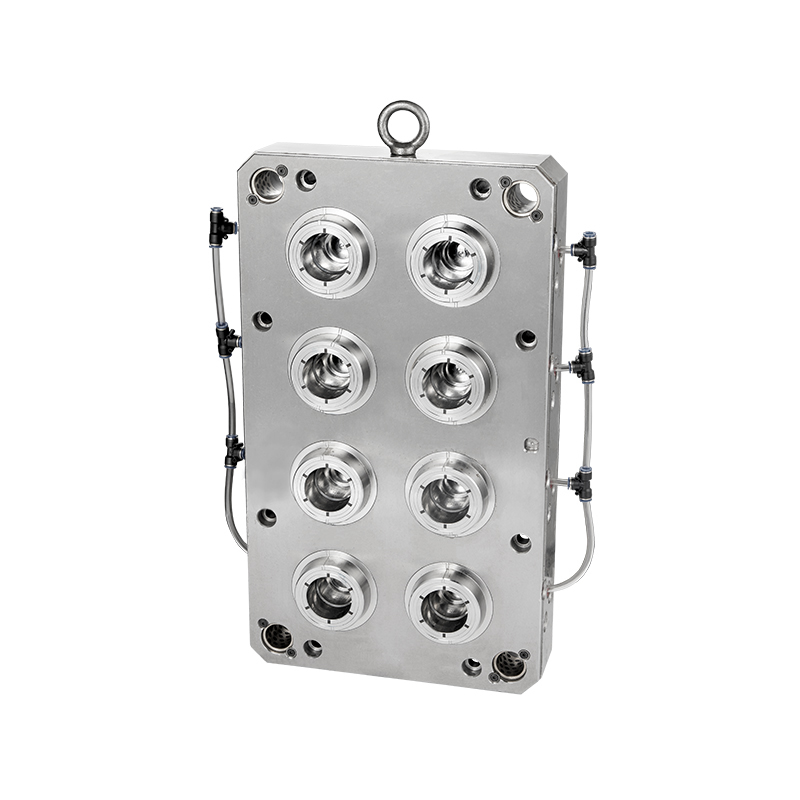
The Plastic Thin Space Cup Mould represents an innovation in the manufacturing o...
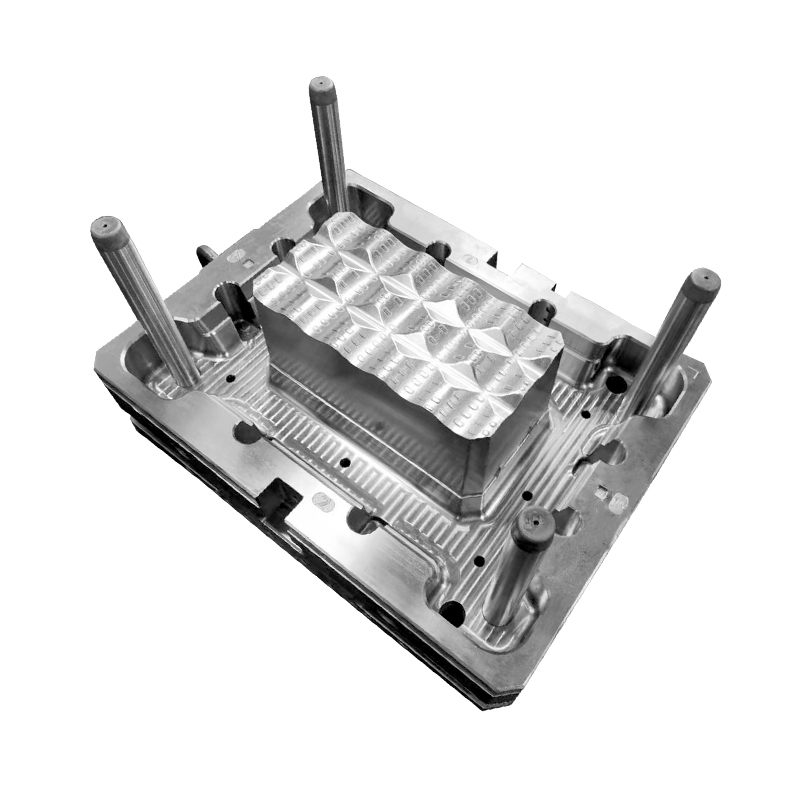
Our Food/Beverage Plastic Crate Mould is meticulously designed to meet the diver...
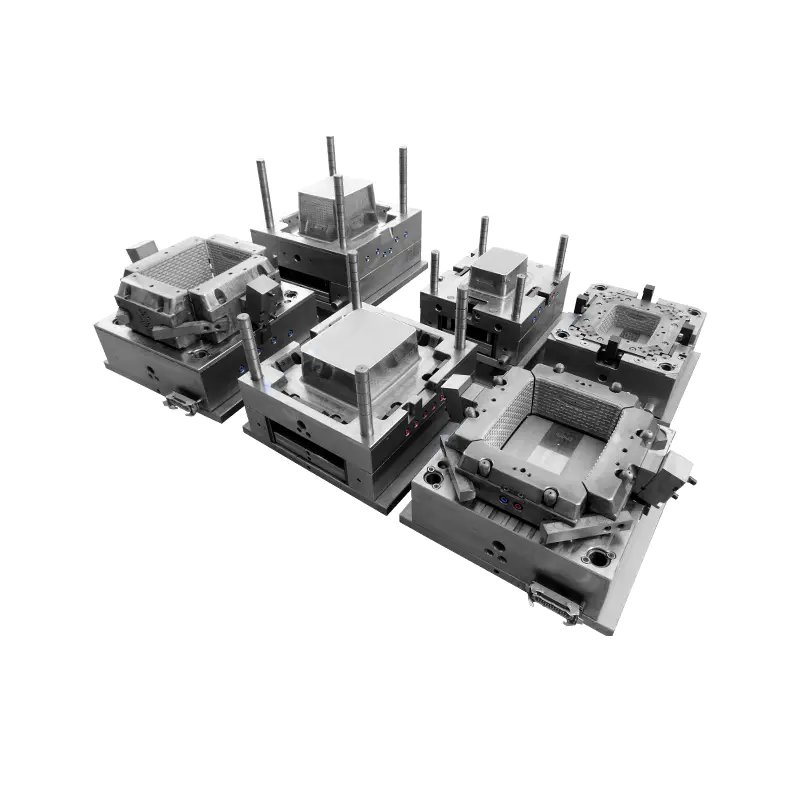
In the realm of plastic furniture storage solutions, our injection mould stands ...
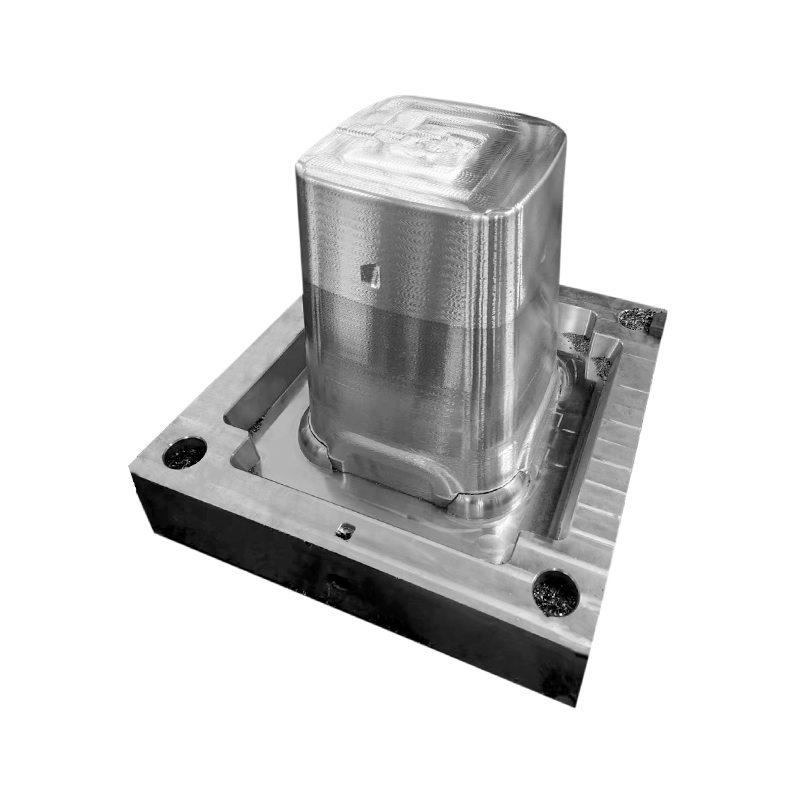
In the realm of contemporary furniture design, the Durable Plastic Rattan Stool ...
Taizhou Huangyan Edge Mould Co., Ltd.
Phone: +86-15068654601
Email: [email protected]
Address: No.62 Zhao Feng Road, Huangyan, Taizhou, Zhejiang, China
Copyright © Taizhou Huangyan Edge Mould Co., Ltd. All Rights Reserved.
