
 English
 Español
 عربى
عربىThe Plastic Thin Space Cup Mould represents an innovation in the manufacturing o...

-

+86-15068654601
-

No.62 Zhao Feng Road, Huangyan, Taizhou, Zhejiang, China
+86-15068654601
No.62 Zhao Feng Road, Huangyan, Taizhou, Zhejiang, China
A milk tea cup is a thin plastic shell, injection molded in seconds, weighing a few grams. It holds cold liquid, condensation beading on the outside. The sealing machine presses a film membrane onto the cup rim. A customer stabs a straw through it. A thin wall milk tea cup mould produces these cups in multi-cavity tools, 8, 16, 32 cups per cycle, each cavity identical to the last. The walls are thin. The rim seals tight. The cup stacks straight. For beverage packaging converters, the mould runs around the clock.
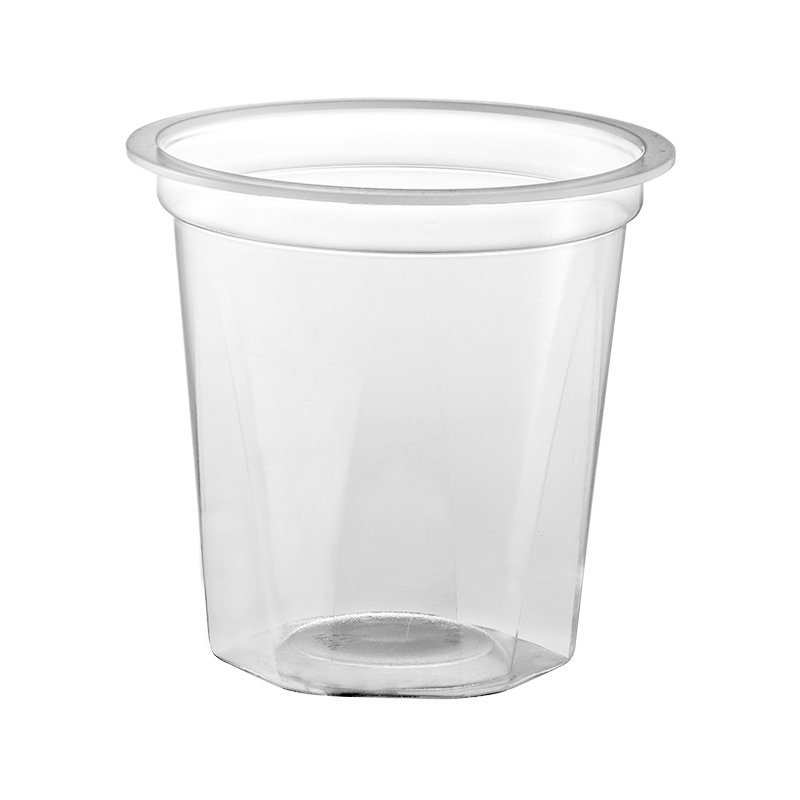
The wall is half a millimeter, sometimes less. The melt enters through a hot runner and a valve gate in the center of the base. From there, it pushes outward and upward. The flow has to reach the rim before the skin freezes. A thin wall milk tea cup mould runs high injection speeds, the gate sized to push the material through without burning it.
Polypropylene is the standard. It seals, it flexes, it resists cracking when the cup is squeezed. A thin wall milk tea cup mould designed for PP runs at the right melt temperature and mould temperature so the cup fills completely and releases cleanly.
The rim is where the seal happens. The parting line runs around the top. That surface has to be flat, no flash, no sink marks. A thin wall milk tea cup mould with a ground parting line and adequate clamp tonnage produces rims that accept a film seal without leaking.
The mould has two sides. The cavity forms the outside of the cup. The core forms the inside. Both sides have cooling channels drilled into them, following the cup contour as closely as possible. Chilled water circulates through the steel. A thin wall milk tea cup mould with conformal cooling pulls heat out fast and evenly.
The core holds the part when the mould opens. A stripper ring pushes on the cup rim. Air blows through the core to break the vacuum. The cup drops onto a conveyor. A thin wall milk tea cup mould times the ejection so the cup releases without cracking.
Here is what the mould needs to produce:
Cups stack. The base of one cup fits into the rim of the next. A thin wall milk tea cup mould with properly machined stacking shoulders keeps the stack straight. A stack that leans falls over in the retail display.
The cup also has to fit the sealing machine and the caddy trays that hold multiple cups. A thin wall milk tea cup mould produced to the specified diameter and taper drops into the beverage chain's equipment without jamming.
A cavity flashes because the clamp pressure was too low or the parting line surface had worn. The rim comes out with a thin skirt of plastic. That cup leaks at the seal. A thin wall milk tea cup mould with proper press sizing and parting line maintenance holds the flash at zero.
A cup sticks to the core and the stripper ring cracks it during ejection. Draft angle too low. Core surface too rough. A thin wall milk tea cup mould with the right draft and a polished core releases the cup clean.
The cups in one cavity come out different from the others because the melt flow was unbalanced. A thin wall milk tea cup mould with a manifold designed for equal pressure drop to every cavity produces identical cups from every position.
A thin wall milk tea cup mould runs fast. It makes millions of cups, each one a few grams of plastic. Choose a manufacturer that fills the cavity before the skin freezes, cools it fast enough to keep the cycle time, and ejects without cracking the rim. The cup will seal, stack, and hold the tea. That is the job.
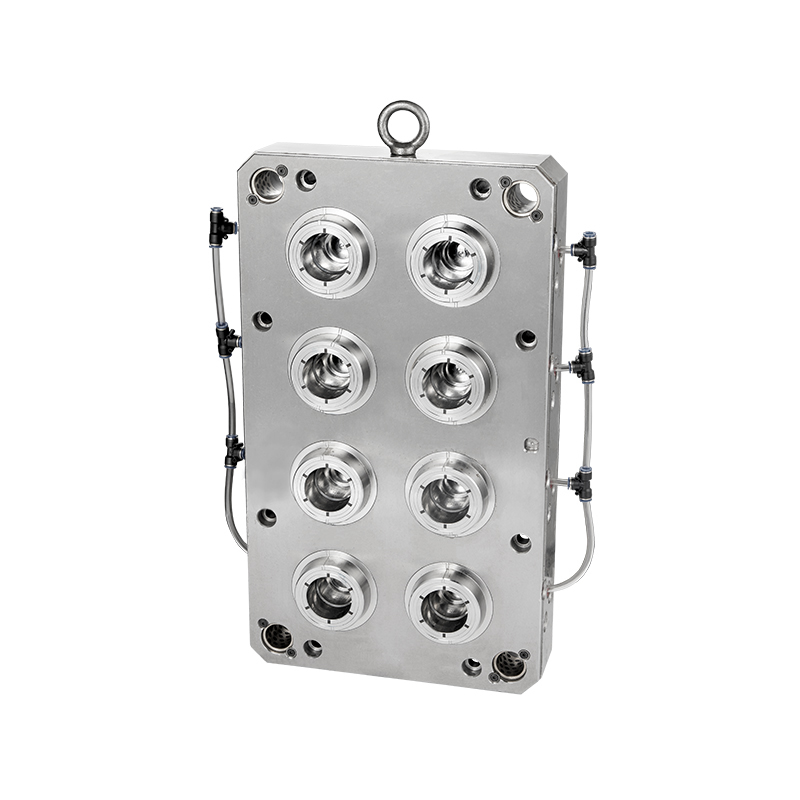
The Plastic Thin Space Cup Mould represents an innovation in the manufacturing o...
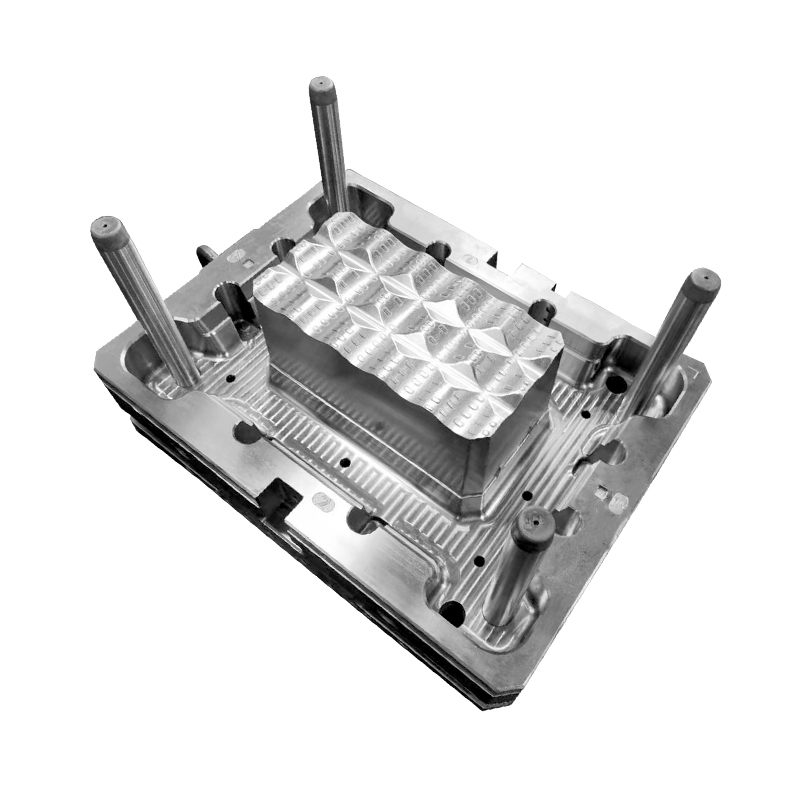
Our Food/Beverage Plastic Crate Mould is meticulously designed to meet the diver...
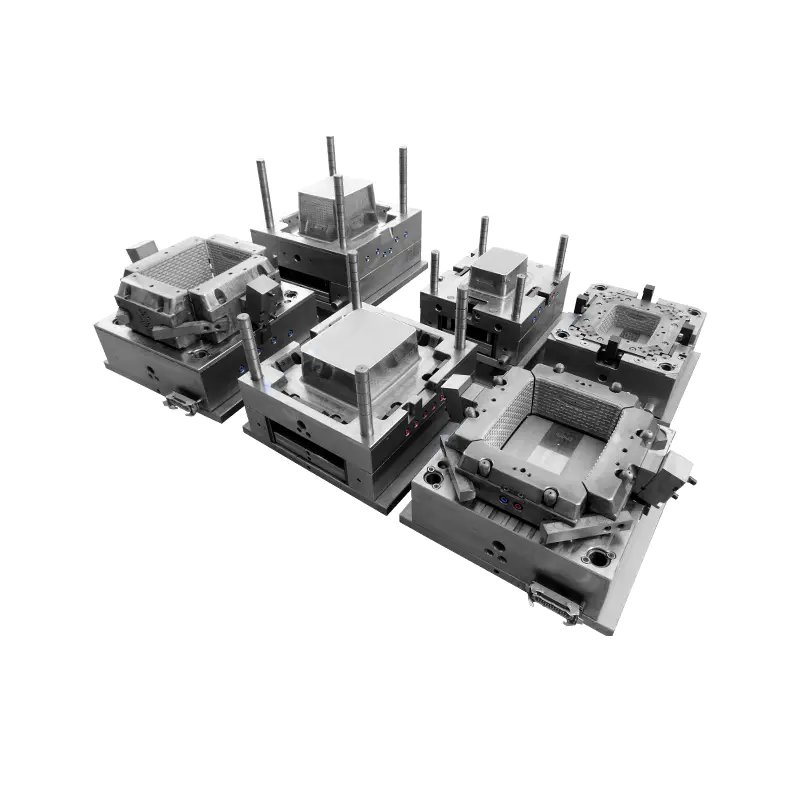
In the realm of plastic furniture storage solutions, our injection mould stands ...
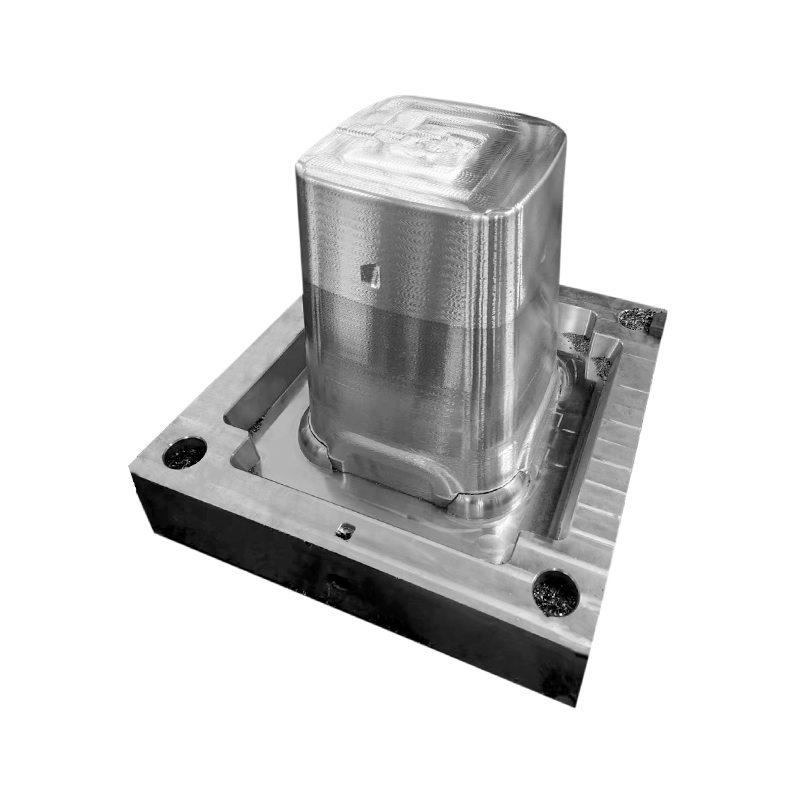
In the realm of contemporary furniture design, the Durable Plastic Rattan Stool ...
Taizhou Huangyan Edge Mould Co., Ltd.
Phone: +86-15068654601
Email: [email protected]
Address: No.62 Zhao Feng Road, Huangyan, Taizhou, Zhejiang, China
Copyright © Taizhou Huangyan Edge Mould Co., Ltd. All Rights Reserved.
