
 English
 Español
 عربى
عربىThe Plastic Thin Space Cup Mould represents an innovation in the manufacturing o...

-

+86-15068654601
-

No.62 Zhao Feng Road, Huangyan, Taizhou, Zhejiang, China
+86-15068654601
No.62 Zhao Feng Road, Huangyan, Taizhou, Zhejiang, China
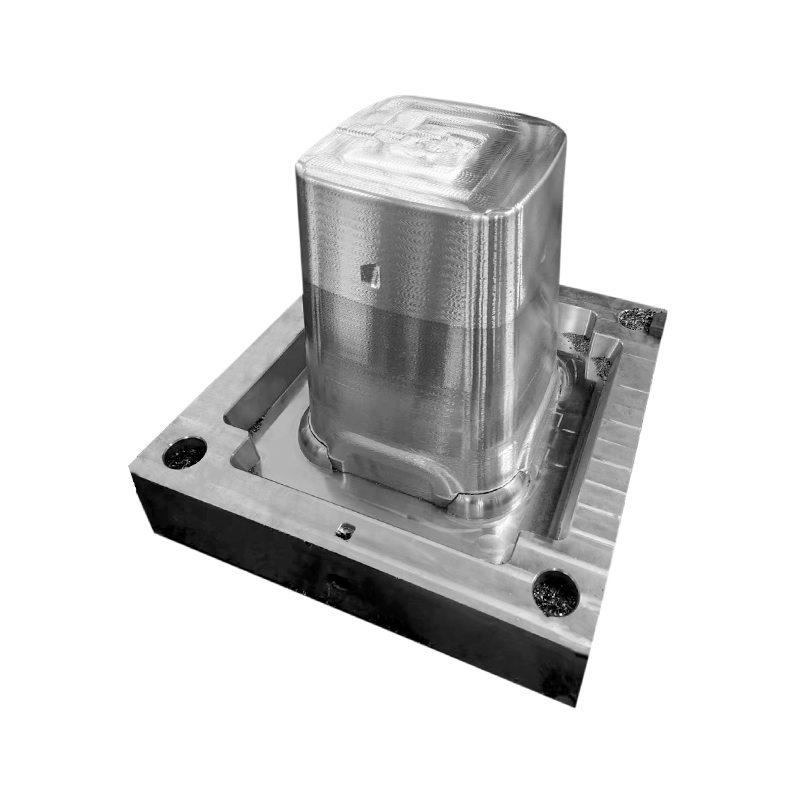
A plastic pail carries paint, lubricants, cleaning chemicals, food ingredients, and construction adhesives. It stacks when full and nests when empty. The metal handle swings up for carrying and folds down for storage. A pail bucket mould manufacturer builds the tooling that injection molds these containers by the millions. The mould forms the tapered body, the reinforced rim, the handle ears, and the stacking lugs in a single cycle. The pail leaves the mould ready for the handle and the lid.
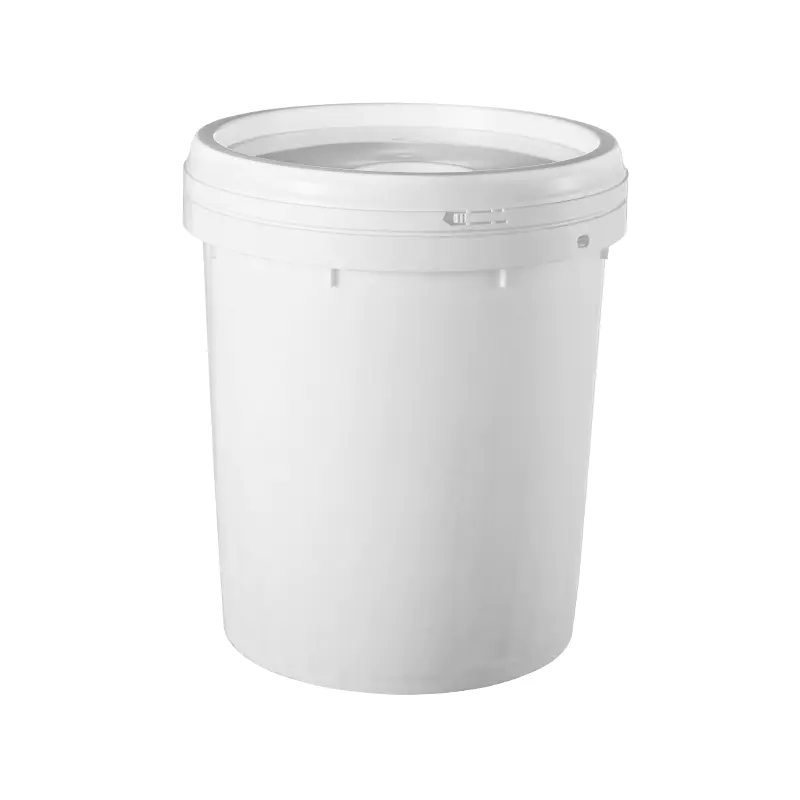
A pail is not a straight cylinder. It tapers from a wider top to a narrower base so empty pails nest inside each other. The taper angle is typically one to three degrees. A pail bucket mould manufacturer machines the cavity with the exact taper so the pail releases cleanly from the core while maintaining the wall thickness specified for the capacity, usually 5 to 20 liters.
The rim is the strongest part of the pail. It carries the handle ears and seals against the lid. A pail bucket mould manufacturer designs the rim cavity with a thick cross-section that fills completely without sink marks. The handle ears are molded into the rim as reinforced lugs with a hole or a slot for the metal handle. These ears take the full lifting load of a filled pail. A mould with cores that form the ear holes cleanly and release without dragging produces pails where the handle stays attached.
The stacking lug is a small ridge or step near the top of the pail body. When one pail nests inside another, the stacking lug of the upper pail rests on the rim of the lower pail, preventing them from jamming together. A pail bucket mould manufacturer machines the stacking lug geometry into the cavity so it forms cleanly and releases without sticking.
The gate is where molten plastic enters the cavity. A pail has a deep draw from the rim to the base. The melt has to fill the entire depth before it freezes. A pail bucket mould manufacturer typically uses a hot runner system with a valve gate in the center of the base. The melt flows radially outward and upward, filling the walls evenly.
The core is the inside shape of the pail. It extends deep into the cavity. Cooling the core is the cycle time bottleneck. A pail bucket mould manufacturer designs the core with internal cooling channels, often a bubbler or a spiral baffle system, that pull heat from deep inside the part. Conformal cooling channels that follow the contour of the core reduce cycle time and produce pails with lower internal stress.
The cavity side also needs cooling. Channels are bored into the cavity plate, positioned to cool the thick rim section and the base. A pail bucket mould manufacturer balances the cooling between the core and cavity so the pail does not warp after ejection.
Here is what a pail mould needs to produce:
The pail leaves the mould without a handle. The metal handle is installed after molding, either by machine or by hand. The handle ears have to be strong enough to survive the handle being snapped into place and the pail being lifted repeatedly. A pail bucket mould manufacturer designs the ear geometry with adequate wall thickness and a smooth hole or slot that guides the handle end into place.
The rim seals against the lid. A pail bucket mould manufacturer machines the rim sealing surface flat and free of flash so the lid gasket or snap fit makes complete contact. A pail that leaks because the rim was flashed is a product failure, not a cosmetic issue.
The handle ear tears during ejection because the side core dragged or the part was too hot. A pail bucket mould manufacturer with properly timed side core actuation and adequate cooling prevents this. The pail sticks on the core because the taper was insufficient or the core surface finish was too rough. Proper draft and a polished core surface release the pail cleanly.
The stacking lug short shots because the melt froze before filling the thin section. A pail bucket mould manufacturer positions the gate and sizes the flow path so the stacking lug fills completely every cycle.
A pail bucket mould manufacturer builds the tooling that makes the container that carries paint up a ladder and food ingredients through a processing plant. The pail stacks, nests, and holds its contents. Choose a manufacturer that designs the taper for release, cools the deep core effectively, and forms the handle ears strong. The pails will carry the load. That is the point.
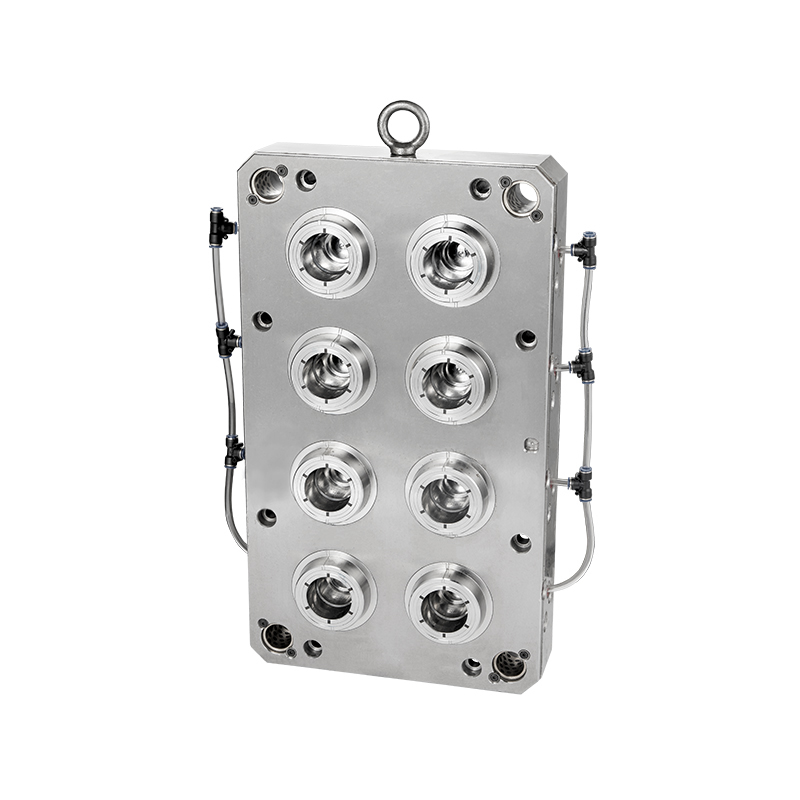
The Plastic Thin Space Cup Mould represents an innovation in the manufacturing o...
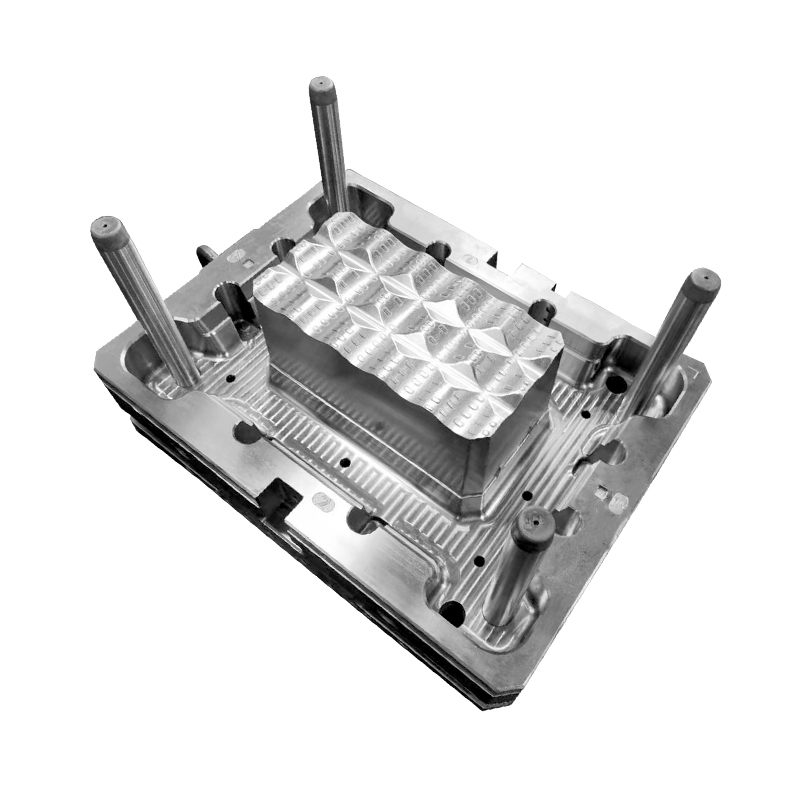
Our Food/Beverage Plastic Crate Mould is meticulously designed to meet the diver...
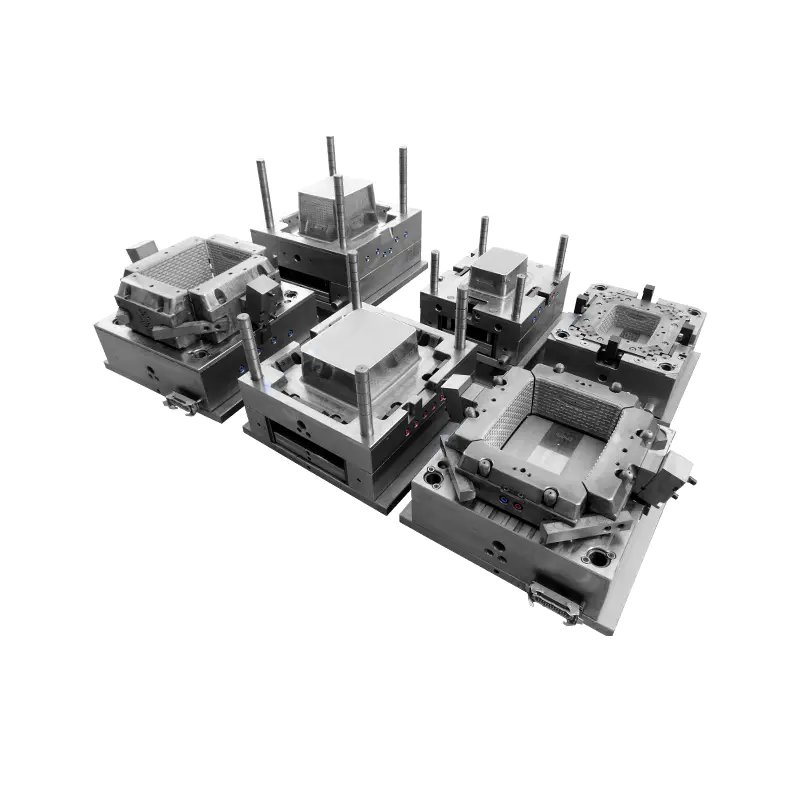
In the realm of plastic furniture storage solutions, our injection mould stands ...
In the realm of contemporary furniture design, the Durable Plastic Rattan Stool ...
Taizhou Huangyan Edge Mould Co., Ltd.
Phone: +86-15068654601
Email: [email protected]
Address: No.62 Zhao Feng Road, Huangyan, Taizhou, Zhejiang, China
Copyright © Taizhou Huangyan Edge Mould Co., Ltd. All Rights Reserved.
