
 English
 Español
 عربى
عربىThe Plastic Thin Space Cup Mould represents an innovation in the manufacturing o...

-

+86-15068654601
-

No.62 Zhao Feng Road, Huangyan, Taizhou, Zhejiang, China
+86-15068654601
No.62 Zhao Feng Road, Huangyan, Taizhou, Zhejiang, China
The multi-cavity cutlery mould manufacturer has become a critical supplier for the tableware industry, producing precision moulds that enable high-volume production of plastic forks, knives, and spoons. These manufacturers design and fabricate moulds with multiple cavities, allowing dozens of cutlery pieces to be produced in a single injection molding cycle, dramatically increasing output compared to single-cavity moulds. Recent industry data indicates that multi-cavity moulds have gained significant adoption due to their ability to reduce per-unit production costs, increase output efficiency, and maintain consistent quality across large production runs, making them essential for manufacturers serving both retail and food service markets. The demand for disposable cutlery in quick-service restaurants and catering has further driven the need for efficient moulding solutions.
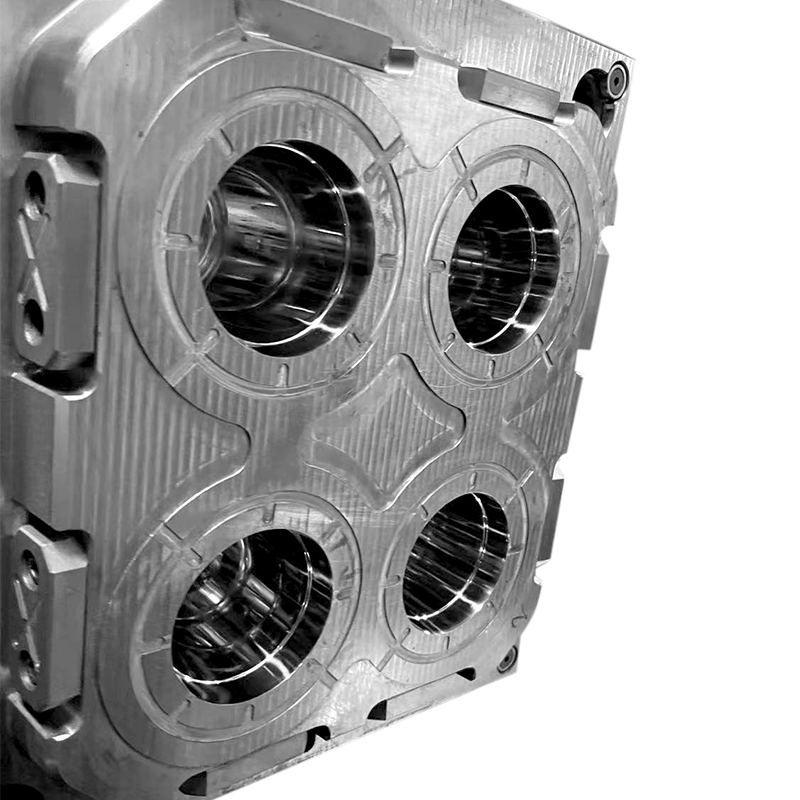
The multi-cavity cutlery mould manufacturer produces moulds engineered with carefully arranged cavity layouts that improve production efficiency while maintaining part quality. The mould typically features 8 to 48 cavities, depending on the cutlery size and the injection molding machine's clamping capacity, with each cavity precisely machined to produce identical parts with consistent dimensions and surface finish. The cavity layout is optimized for balanced filling and even pressure distribution during injection, ensuring uniform material flow to all cavities simultaneously, which is critical for preventing short shots or dimensional variations. The mould design includes hot runner or cold runner systems that deliver molten plastic to each cavity efficiently, with the runner system designed to less material waste while ensuring consistent flow characteristics.
The mould is constructed from high-grade tool steel, such as P20 or H13, which provides outstanding wear resistance and thermal conductivity for extended production runs. The cavities are precision-machined using CNC equipment and electrical discharge machining to achieve the required surface finish and dimensional accuracy, typically within ±0.01 millimeters. The mould design also includes ejector pins and cooling channels, with the ejector system ensuring clean part removal and the cooling system maintaining ideal mold temperature for consistent cycle times and part quality.
The multi-cavity cutlery mould manufacturer employs advanced machining processes to achieve the tight tolerances required for high-quality cutlery moulds, ensuring consistent part quality across millions of molding cycles. The manufacturing process includes CNC milling of the mould base to create the overall structure, EDM for cavity finishing to achieve the required surface texture and dimensional accuracy, wire cutting for core and cavity details to create complex shapes, and polishing for high-quality surface finish that ensures easy part release. The mould components are machined to precise tolerances, with regular in-process inspections using coordinate measuring machines to verify dimensional accuracy. The mould assembly is carefully fitted to ensure proper alignment of all components.
Key manufacturing capabilities include:
The manufacturer uses specialized cutting tools and techniques to achieve the required finish on cutlery surfaces. The machining process is carefully controlled to less tool wear and ensure consistent quality.
The multi-cavity cutlery mould manufacturer incorporates sophisticated cooling systems into the mould design to optimize cycle times and ensure consistent part quality. The cooling channels are strategically placed to provide uniform cooling across all cavities, which is essential for achieving consistent part dimensions and small warpage that could affect the cutlery's appearance or function. The cooling system is designed for efficient heat transfer, with the cooling channels and flow rates optimized to reduce cycle times while maintaining part quality. Effective cooling reduces the overall cycle time, improving production efficiency and reducing energy consumption.
The cooling system includes baffles, bubblers, or thermal pins to achieve uniform cooling in areas where standard channels cannot reach. The cooling circuit is designed to less pressure drop and ensure even coolant flow, with the cooling system's performance validated during mould testing.
The multi-cavity cutlery mould manufacturer implements rigorous quality assurance processes to ensure the mould meets performance and durability requirements. The quality assurance process includes material inspection for steel quality and hardness to verify material specifications, dimensional inspection of all machined components to confirm tolerances, assembly verification for proper fit and alignment, and mould testing using the customer's injection molding machine to verify part quality and cycle time. The mould is tested with the actual resin to verify part quality and cycle time, with adjustments made as needed to optimize performance.
When selecting a multi-cavity cutlery mould manufacturer, buyers evaluate mould design and cavity configuration, manufacturing precision and surface finish, cooling system design and cycle time optimization, and quality assurance and testing procedures. Buyers also consider the manufacturer's experience and reputation in the cutlery mould industry, the availability of after-sales support and spare parts, and the manufacturer's ability to meet delivery schedules and provide technical support. Proper selection ensures consistent, high-quality production and reliable supply for tableware and packaging applications.
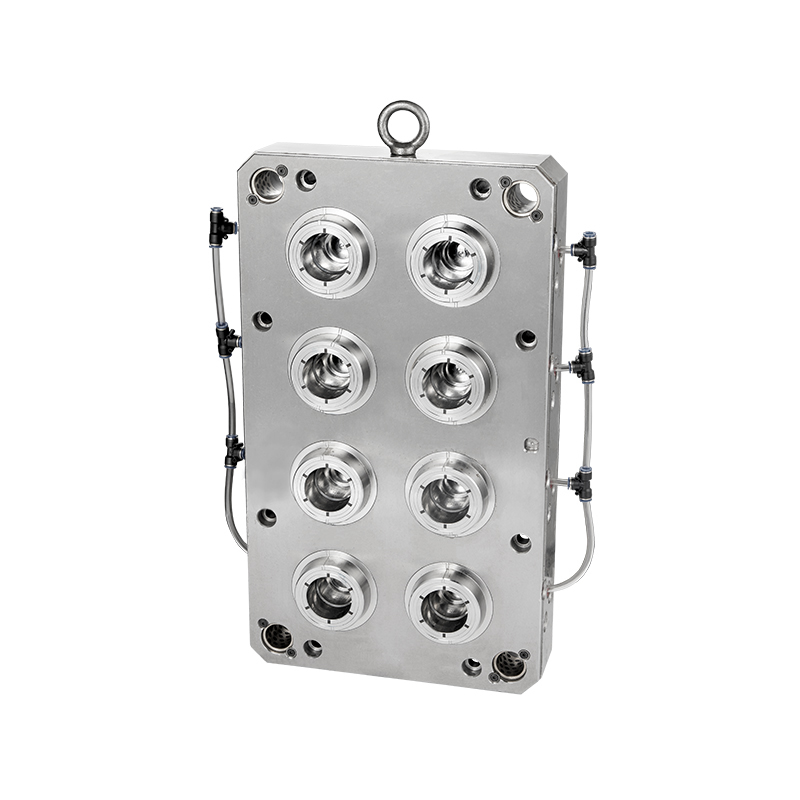
The Plastic Thin Space Cup Mould represents an innovation in the manufacturing o...
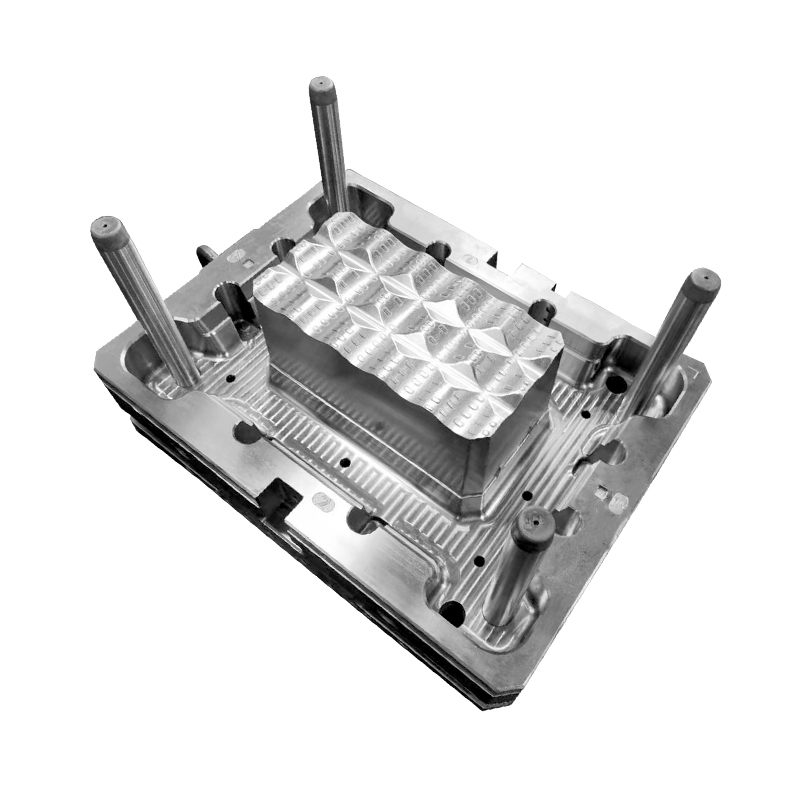
Our Food/Beverage Plastic Crate Mould is meticulously designed to meet the diver...
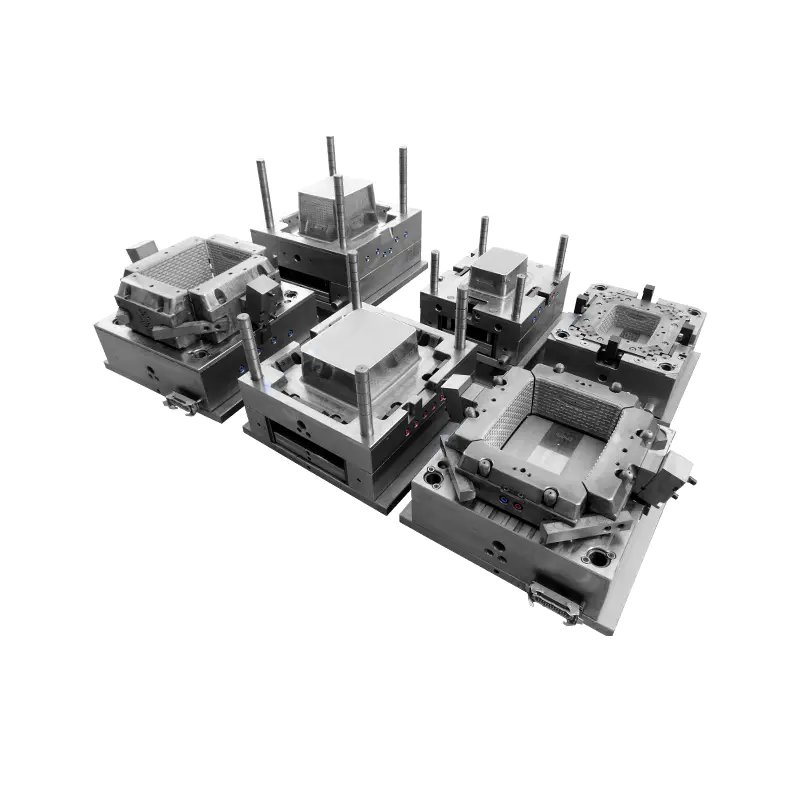
In the realm of plastic furniture storage solutions, our injection mould stands ...
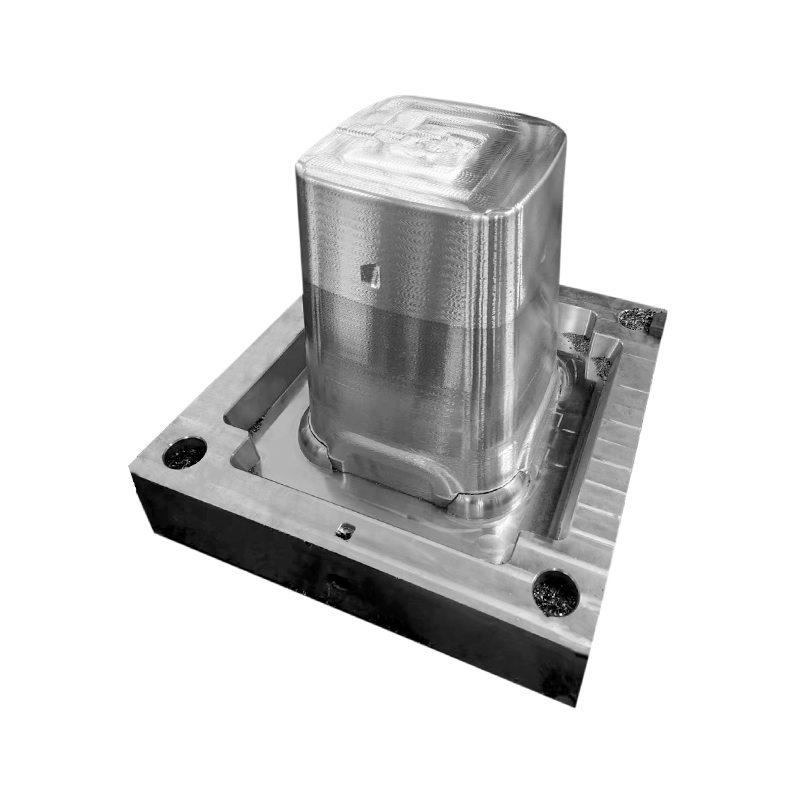
In the realm of contemporary furniture design, the Durable Plastic Rattan Stool ...
Taizhou Huangyan Edge Mould Co., Ltd.
Phone: +86-15068654601
Email: [email protected]
Address: No.62 Zhao Feng Road, Huangyan, Taizhou, Zhejiang, China
Copyright © Taizhou Huangyan Edge Mould Co., Ltd. All Rights Reserved.
