
 English
 Español
 عربى
عربىThe Plastic Thin Space Cup Mould represents an innovation in the manufacturing o...

-

+86-15068654601
-

No.62 Zhao Feng Road, Huangyan, Taizhou, Zhejiang, China
+86-15068654601
No.62 Zhao Feng Road, Huangyan, Taizhou, Zhejiang, China
A food container with a printed label glued on looks cheap after a few washes. The label peels. Water gets under it. The container goes in the trash. In-mold labeling solves this by fusing the label into the plastic during injection molding. The label becomes part of the container wall, not something stuck on top. An IML anti-theft food container mould manufacturer builds the tooling that makes this happen at production speed, with the added feature of an anti-theft mechanism molded into the lid or base. The label stays on. The container locks closed. Retailers know the product on the shelf has not been opened and picked at. Here is what food packaging brands, supermarket buyers, and contract molders need to know about the mould behind the container.
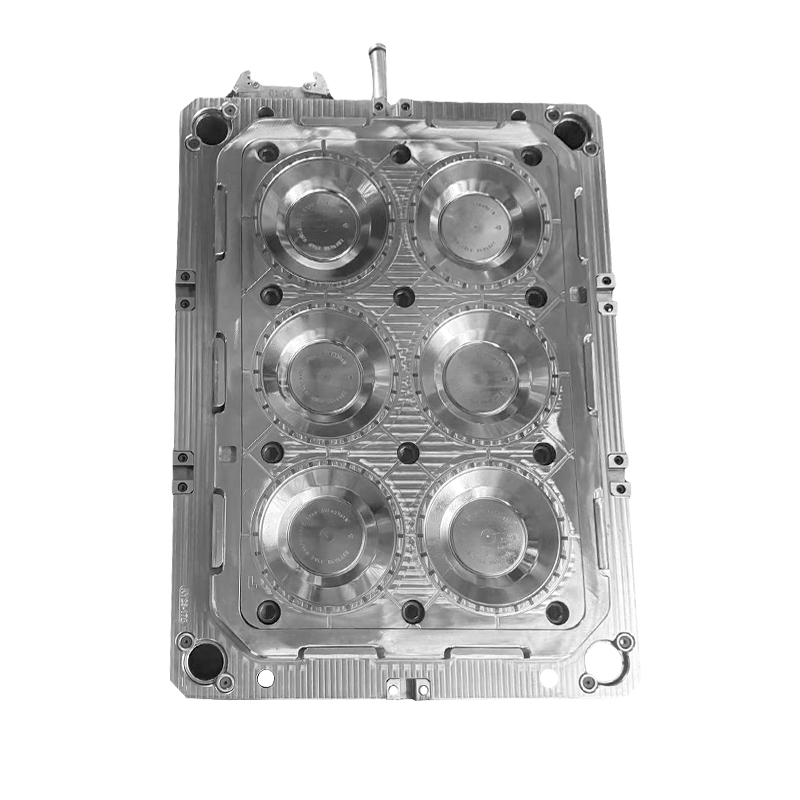
In-mold labeling is a race against the injection cycle. A robot or a mechanical arm picks a pre-printed polypropylene label from a magazine and places it into the open mould cavity. Static electricity or vacuum holds the label against the cavity wall. The mould closes. Molten polypropylene injects into the cavity and fuses with the back of the label. The label and the container are now one piece of plastic. No adhesive. No secondary labeling step. No peeling.
An IML anti-theft food container mould manufacturer designs the mould cavity to hold the label in precise position during injection. The label cannot shift as the melt front advances. A label that moves during injection produces a container where the artwork is skewed, the label edge is visible, or the label wrinkles under the surface. The mould cavity needs a label retention system, typically vacuum channels or electrostatic charging built into the mould, that holds the label flat and still.
Label material has to match the container material for the fusion to work. A polypropylene label on a polypropylene container creates a molecular bond when the hot melt contacts the label back surface. An IML anti-theft food container mould manufacturer specifies the label substrate and the injection parameters so the bond is complete and the label is indistinguishable from the container surface. A label that delaminates after freezing or microwaving indicates incomplete fusion during molding.
A food container that anyone can open in the store is a container that gets sampled. Tamper-evident and anti-theft designs make opening visible. The lid snaps onto the base with locking tabs that must be broken or visibly deformed to open. Once the tabs are broken, the container cannot be resealed without the damage being obvious.
An IML anti-theft food container mould manufacturer machines the locking tab geometry directly into the mould cavities. The tabs on the lid cavity and the corresponding catches on the base cavity have to align precisely when the mould closes. A misalignment of a fraction of a millimeter produces tabs that do not engage or tabs that engage so tightly the container cannot be opened without tools.
The hinge design for attached-lid containers lives in the mould as well. A living hinge, a thin strip of polypropylene that flexes thousands of times without breaking, is molded in the open position between the lid and base cavities. An IML anti-theft food container mould manufacturer machines the hinge gap to a precise thickness that flexes freely but does not tear during ejection or in use. A hinge that is too thick resists closing. A hinge that is too thin snaps after a few cycles.
Food container moulds run fast. Cycle times are measured in seconds. The mould opens, the robot places labels, the parts eject, and the mould closes again. An IML anti-theft food container mould manufacturer builds the mould from hardened tool steel, typically P20 for moderate volumes or H13 for high-volume production, so the cavities hold their dimensions through millions of cycles.
Cooling channels drilled through the mould plates remove heat from the injected plastic. Efficient cooling shortens cycle time and prevents warpage in the molded part. An IML anti-theft food container mould manufacturer designs cooling channels that follow the cavity contours as closely as possible. Conformal cooling, where channels are 3D-printed into complex shapes, cools areas that straight drilled channels miss.
The ejection system pushes the finished containers off the core side of the mould. Ejector pins, stripper plates, or air ejection have to release the part without distorting it while it is still hot enough to deform. An IML anti-theft food container mould manufacturer positions ejector pins on ribs, edges, and non-visible surfaces so the pin marks do not appear on the labeled face or the container sealing surfaces.
Here is what a food container IML mould needs to produce reliably:
Label placement consistency determines the scrap rate. A label that is placed half a millimeter out of position produces a container where the print is visibly off-center. An IML anti-theft food container mould manufacturer verifies the label placement system repeatability across the full cycle speed. A mould that runs at full speed with a label placement tolerance under 0.3 millimeters is a production asset. A mould that requires the speed to be reduced to hold placement is a production bottleneck.
The parting line where the mould halves meet leaves a witness line on the container. An IML anti-theft food container mould manufacturer fits and polishes the parting line so the witness line is small and does not interfere with the lid seal or create a sharp edge that the consumer feels. A raised parting line on a food container rim is a sealing problem and a quality complaint.
An IML anti-theft food container mould is not a commodity tool. It is a high-speed, high-precision production asset that has to place labels accurately, mold locking features consistently, and survive millions of cycles without dimensional drift. Choose a manufacturer that designs the label retention into the cavity, machines the anti-theft geometry to tight alignment, and builds the mould from steel that holds its dimensions. The containers will come out labeled, lockable, and ready for the shelf. That is what the mould is there to do.
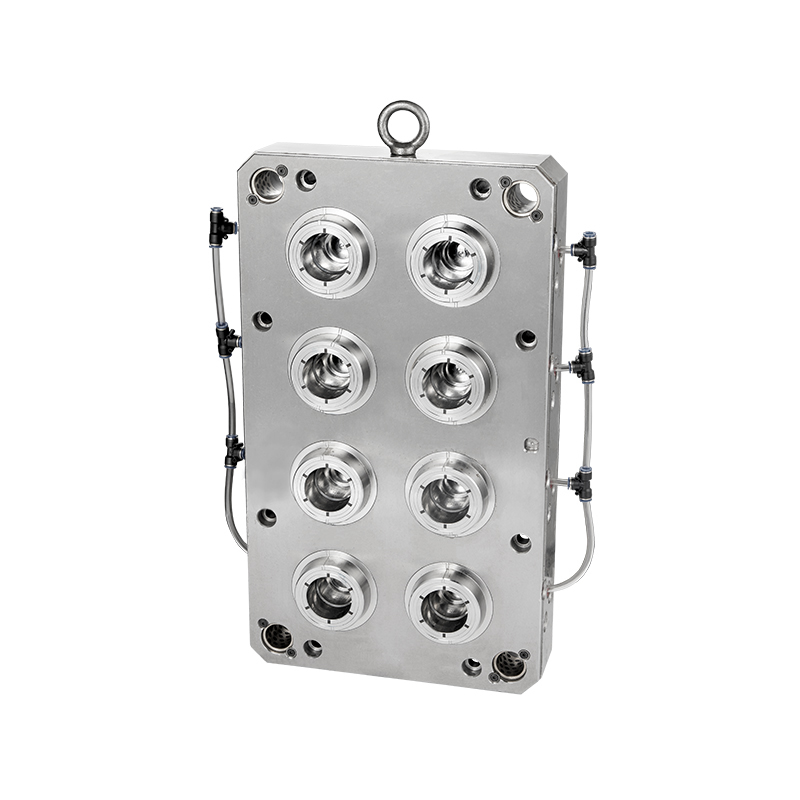
The Plastic Thin Space Cup Mould represents an innovation in the manufacturing o...
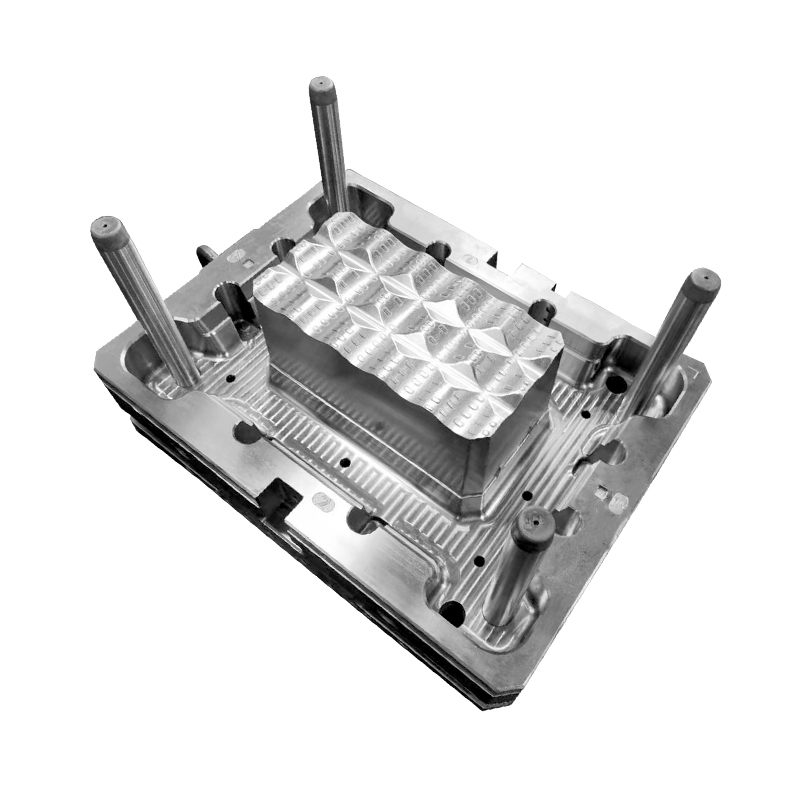
Our Food/Beverage Plastic Crate Mould is meticulously designed to meet the diver...
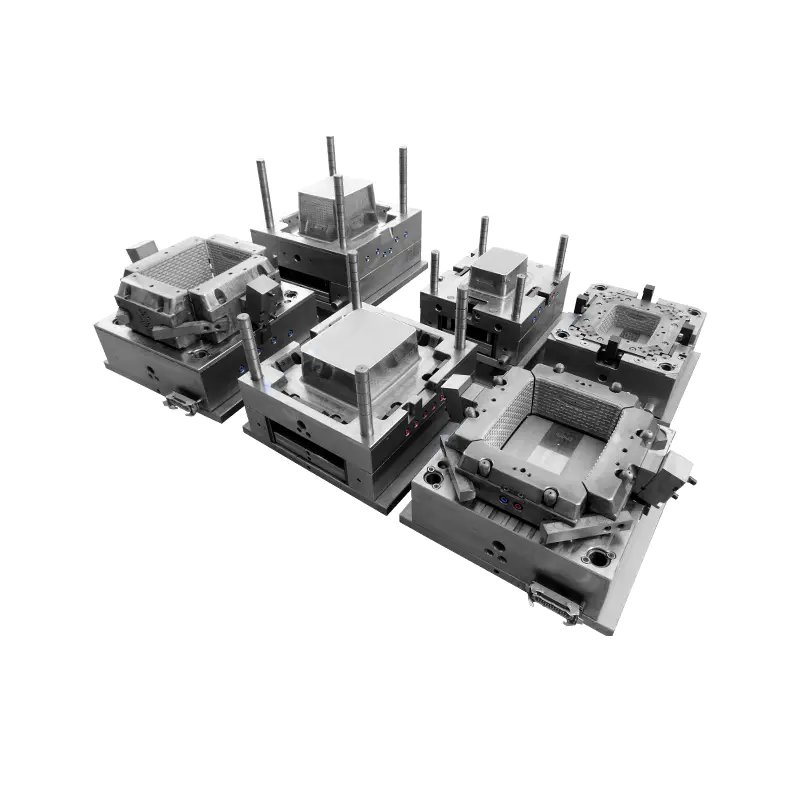
In the realm of plastic furniture storage solutions, our injection mould stands ...
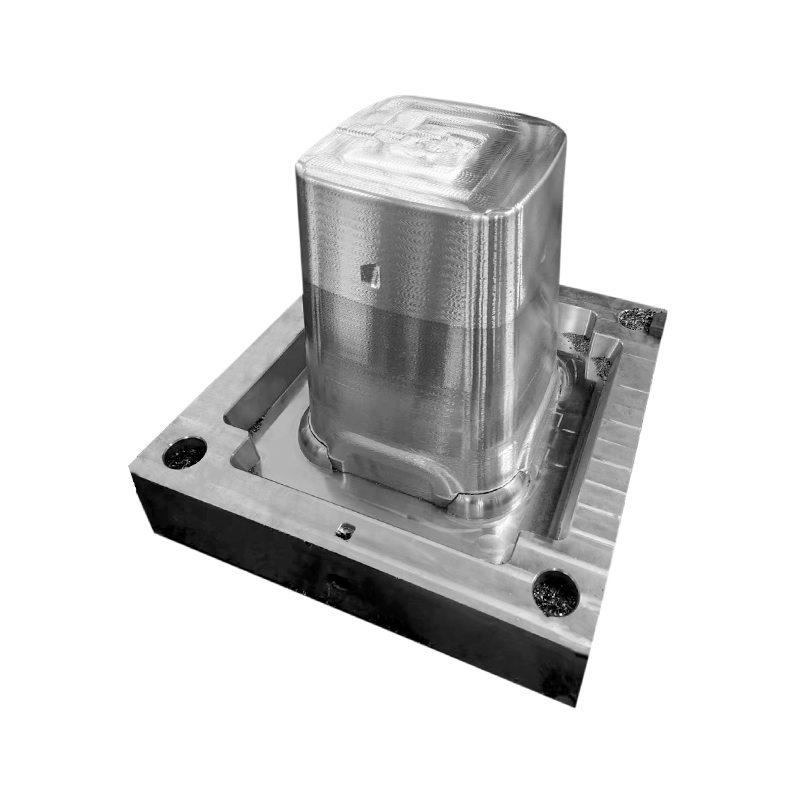
In the realm of contemporary furniture design, the Durable Plastic Rattan Stool ...
Taizhou Huangyan Edge Mould Co., Ltd.
Phone: +86-15068654601
Email: [email protected]
Address: No.62 Zhao Feng Road, Huangyan, Taizhou, Zhejiang, China
Copyright © Taizhou Huangyan Edge Mould Co., Ltd. All Rights Reserved.
