
 English
 Español
 عربى
عربىThe Plastic Thin Space Cup Mould represents an innovation in the manufacturing o...

-

+86-15068654601
-

No.62 Zhao Feng Road, Huangyan, Taizhou, Zhejiang, China
+86-15068654601
No.62 Zhao Feng Road, Huangyan, Taizhou, Zhejiang, China
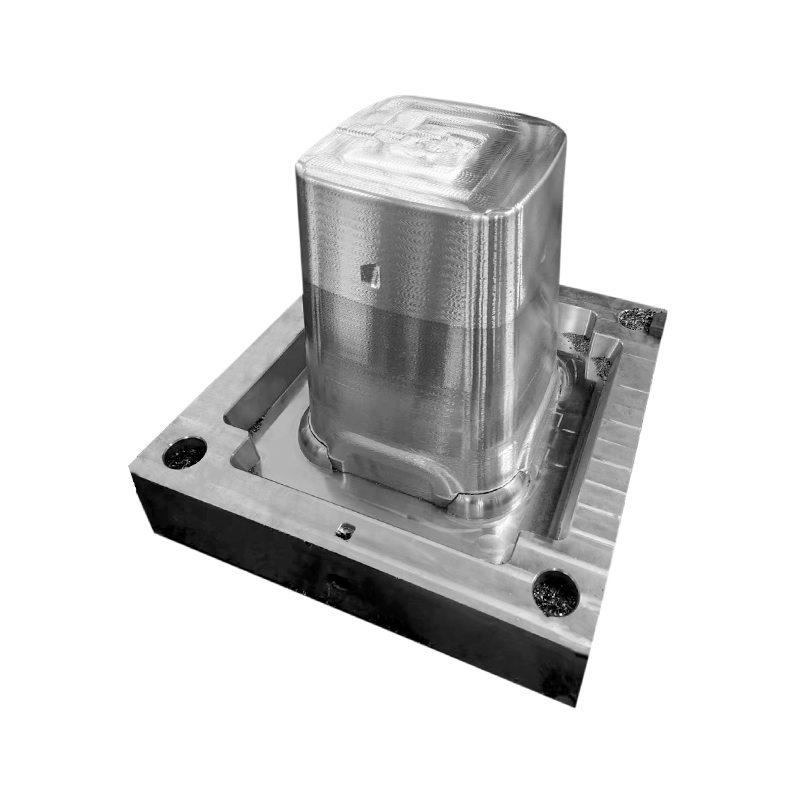
Proper application of a pail bucket mould ensures the production of high-quality buckets and extends the mould's service life. Key considerations include:
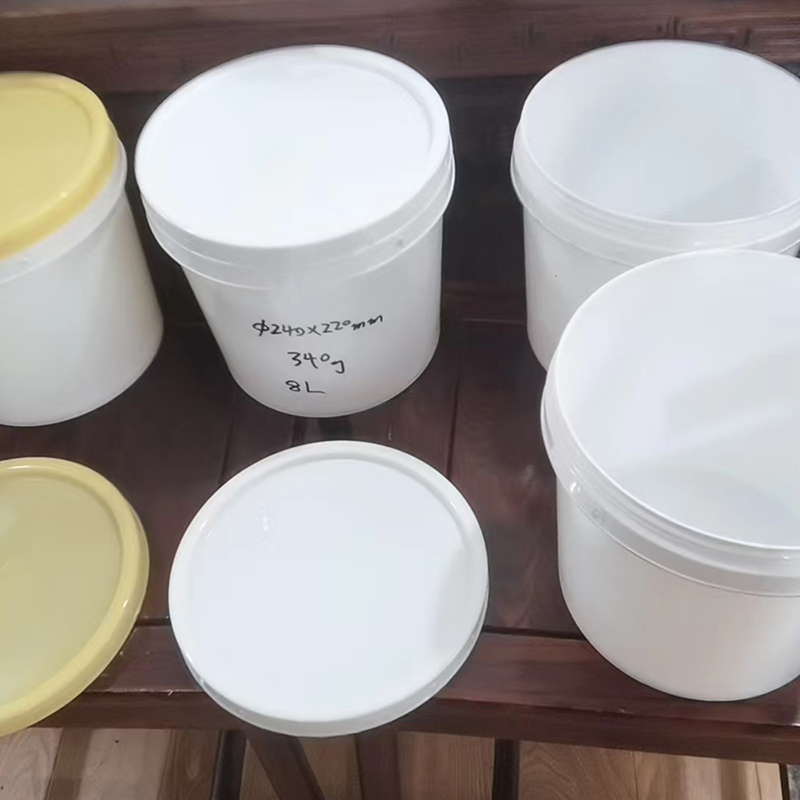
Material Selection and Preparation
The type of plastic used, such as polyethylene or polypropylene, must match the mould specifications. Ensure the plastic material is free from moisture and contaminants to prevent defects like voids, warping, or surface imperfections.
Mould Installation and Alignment
Securely mount the mould on the injection or blow moulding machine. Ensure proper alignment of the core, cavity, and ejector system. Misalignment can lead to uneven wall thickness, flashing, or incomplete forming of the bucket.
Temperature and Pressure Control
Maintain the recommended mould and melt temperatures for uniform flow and curing. Adjust injection or blowing pressure carefully to prevent overfilling, warping, or internal stress in the bucket.
Cycle Monitoring and Quality Checks
Regularly inspect the few pieces for uniformity, thickness, and surface finish. Monitor production cycles and adjust parameters as needed to maintain consistent quality.
Safety and Handling
Operators should wear protective equipment and follow machine safety protocols. Avoid sudden mould movements or contact with hot surfaces during operation.
Routine Maintenance
Clean the mould after each shift, remove residue, and inspect components such as ejector pins, guide pins, and cooling channels for wear or blockage. Proper maintenance reduces downtime and prevents damage to the mould.
These considerations help ensure efficient operation and consistent bucket quality.
Performance Advantages of Pail Bucket Mould
Pail bucket moulds offer several operational and production advantages that make them widely used in plastic manufacturing:
Precision and Consistency
Moulds allow precise shaping of buckets with uniform wall thickness, dimensions, and surface finish. This consistency is important for both storage and stacking purposes.
High Production Efficiency
Modern pail bucket moulds support automated injection or blow moulding, allowing large volumes of buckets to be produced in short cycles.
Versatility
These moulds can produce buckets of various sizes, designs, and colors with minor adjustments, accommodating different market demands.
Durable Components
Made of steel or other wear-resistant materials, pail bucket moulds can withstand repeated thermal and mechanical cycles, providing long-term usability with proper maintenance.
These advantages make pail bucket moulds suitable for industrial, commercial, and household plastic bucket production.
Performance Disadvantages of Pail Bucket Mould
Despite their advantages, pail bucket moulds have limitations that must be considered in production planning:
High Initial Investment
Quality moulds require substantial upfront costs for design, materials, and machining. Small-scale manufacturers may face budget constraints.
Sensitivity to Operating Conditions
Improper temperature, pressure, or alignment can lead to defects such as warping, flashing, or inconsistent wall thickness, affecting bucket quality.
Maintenance Requirements
Pail bucket moulds require regular cleaning, lubrication, and inspection. Neglecting maintenance can result in component wear, reduced precision, and production downtime.
Limited Flexibility in Design Changes
Significant changes in bucket size or shape may require a new mould or extensive rework, which increases production costs and delays.
Awareness of these disadvantages allows operators to plan for preventive maintenance, careful setup, and appropriate production schedules to minimize the impact of these limitations.
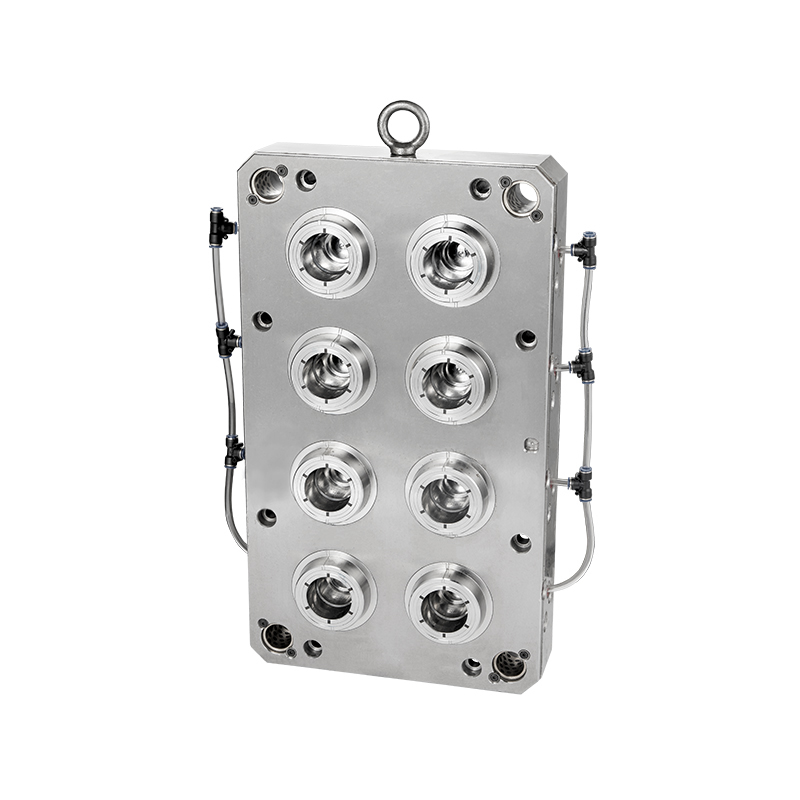
The Plastic Thin Space Cup Mould represents an innovation in the manufacturing o...
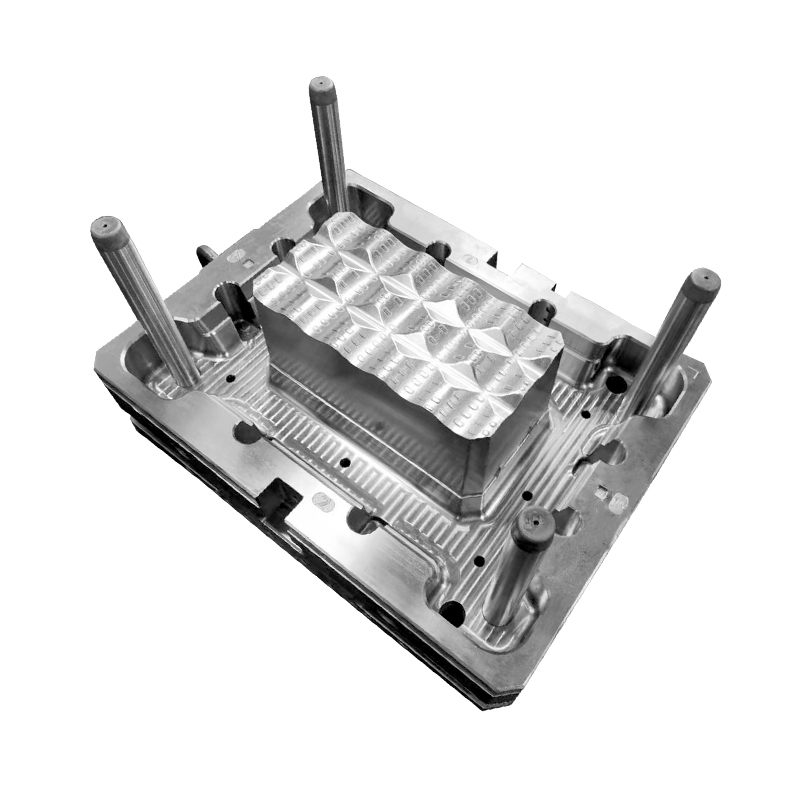
Our Food/Beverage Plastic Crate Mould is meticulously designed to meet the diver...
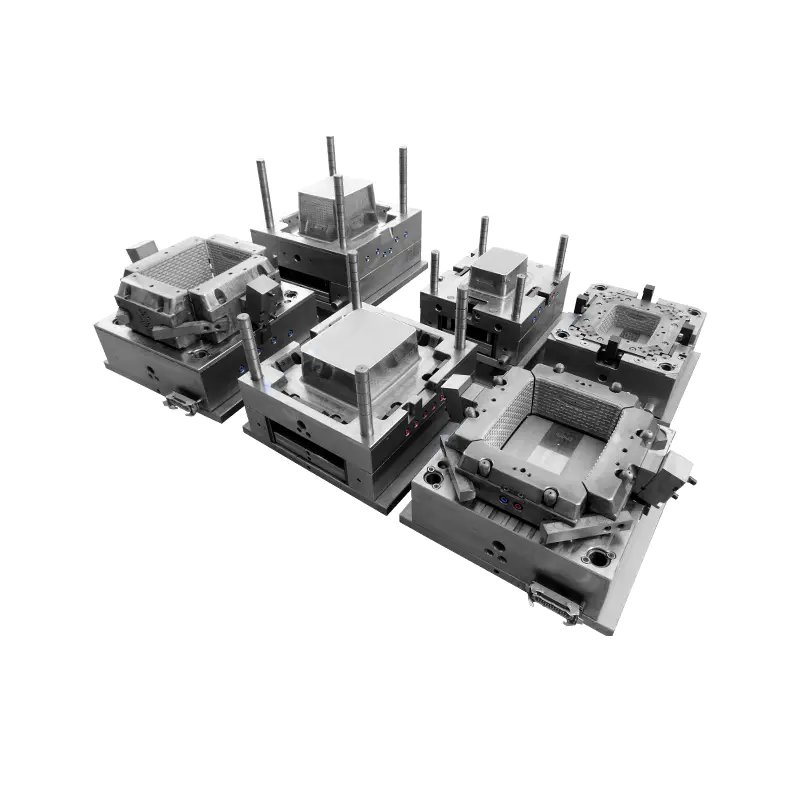
In the realm of plastic furniture storage solutions, our injection mould stands ...
In the realm of contemporary furniture design, the Durable Plastic Rattan Stool ...
Taizhou Huangyan Edge Mould Co., Ltd.
Phone: +86-15068654601
Email: [email protected]
Address: No.62 Zhao Feng Road, Huangyan, Taizhou, Zhejiang, China
Copyright © Taizhou Huangyan Edge Mould Co., Ltd. All Rights Reserved.
