
 English
 Español
 عربى
عربىThe Plastic Thin Space Cup Mould represents an innovation in the manufacturing o...

-

+86-15068654601
-

No.62 Zhao Feng Road, Huangyan, Taizhou, Zhejiang, China
+86-15068654601
No.62 Zhao Feng Road, Huangyan, Taizhou, Zhejiang, China
The design of a plastic chair mould is crucial for producing functional, uniform, and cost-effective chairs. Several factors influence the design process:
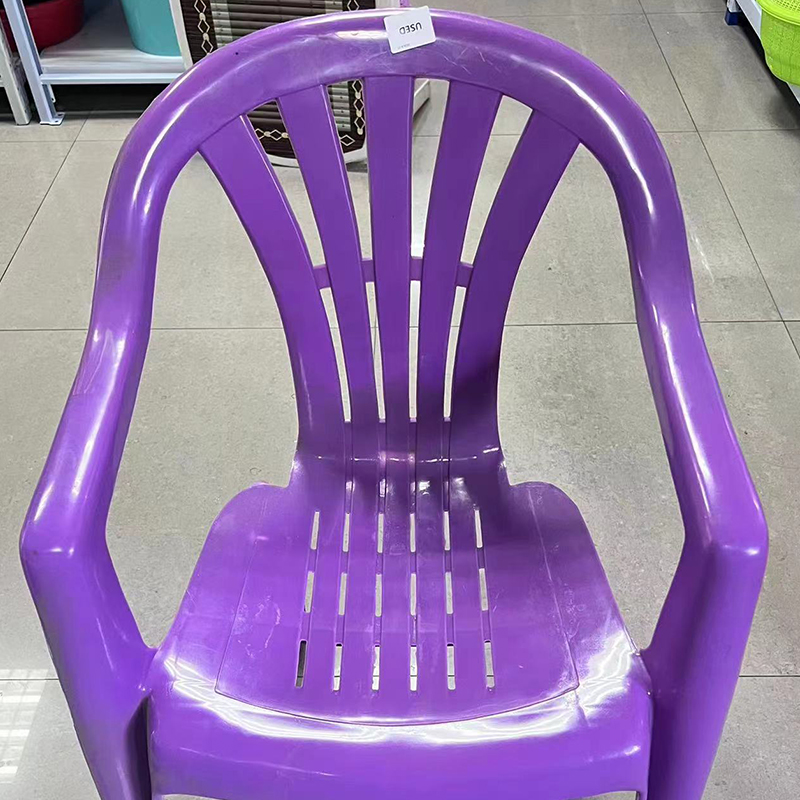
Material Selection
High-quality steel is commonly used for the mould base and core to ensure durability and consistent heat distribution during injection. Mold surfaces are often polished to improve the finish of the plastic chair.
Chair Type
The mould design depends on the type of chair, whether it is a standard stackable chair, a lounge chair, or a chair with armrests. Ergonomic considerations, such as backrest angle and seat curvature, are included in the mould design.
Injection Parameters
Designers determine the number and placement of injection points to ensure proper material flow and reduce defects such as warping or sink marks.
Cooling System
The mould includes channels for water or other cooling fluids to control temperature, reduce cycle time, and prevent deformation of the chair.
Proper design ensures the mould produces chairs with consistent dimensions, smooth surfaces, and structural integrity.
China plastic chair moulds are composed of several key components, each contributing to the functionality and efficiency of the injection process:
Mould Base
Provides the foundation for the entire mould assembly and supports other components during injection.
Core and Cavity
The core shapes the internal features of the chair, while the cavity forms the external surfaces. Both are precision-engineered for accuracy.
Ejector System
Includes pins and plates to remove the finished chair from the mould without damage.
Guide Pins and Bushings
Ensure proper alignment of the core and cavity during the closing and opening of the mould.
Cooling Channels
Integrated into the mould to circulate water or oil for temperature control.
Sprue and Runner System
Channels the molten plastic from the injection machine to the mould cavity, designed to minimize waste and ensure uniform filling.
These components work together to produce high-quality chairs efficiently and consistently.
China plastic chair moulds are used in various manufacturing scenarios to produce chairs for different environments. Common applications include:
Residential Furniture
Used to manufacture stackable chairs, dining chairs, and chairs for home offices.
Commercial and Office Seating
Produces durable chairs for workplaces, conference rooms, and waiting areas.
Public Spaces and Outdoor Furniture
Moulds for chairs used in parks, schools, and cafeterias are designed for stability and resistance to weather conditions.
Event and Hospitality Industry
Chairs for banquets, hotels, and exhibition halls are often designed to be lightweight and easy to transport.
Custom Design Production
Moulds can be tailored for specific shapes, colours, and patterns requested by clients or brands.
These applications demonstrate the versatility and industrial relevance of plastic chair moulds.
Regular maintenance of plastic chair moulds ensures long-term performance, reduces downtime, and maintains product quality. Key practices include:
Cleaning
Remove residual plastic, dust, and debris from the mould cavity and surface after each production cycle.
Lubrication
Apply appropriate lubrication to moving components such as ejector pins, slides, and guide pins to prevent wear.
Inspection
Check for cracks, warping, or damage to the core, cavity, and ejector system to prevent defective chairs.
Temperature Control
Monitor cooling channels to ensure they are not blocked and maintain operating temperatures.
Periodic Polishing
Polish critical surfaces to maintain smooth finishes on the chair and prevent sticking or surface defects.
Proper maintenance extends the service life of the mould and ensures consistent product quality over time.
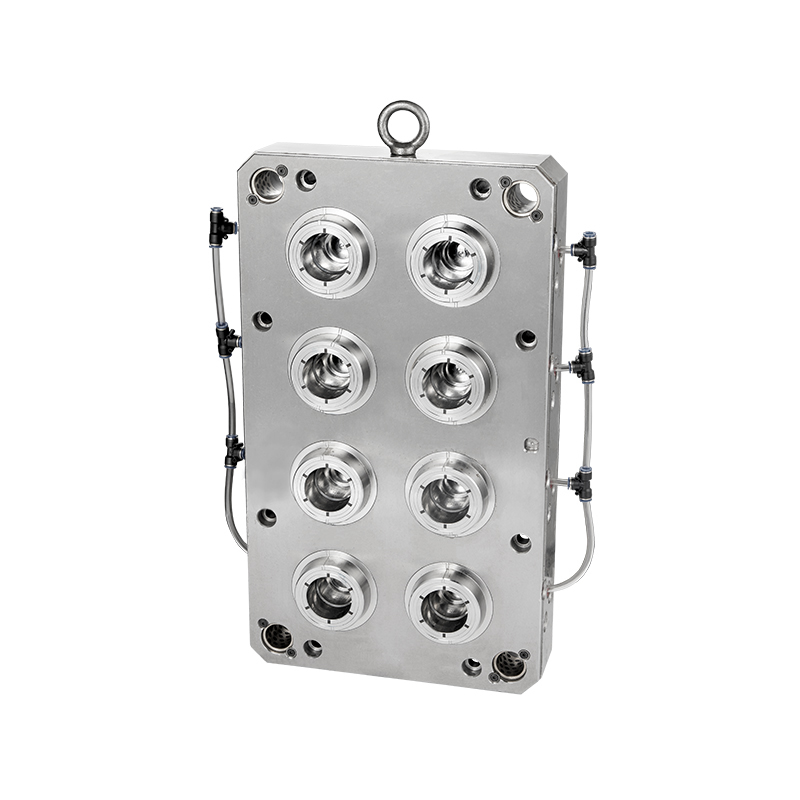
The Plastic Thin Space Cup Mould represents an innovation in the manufacturing o...
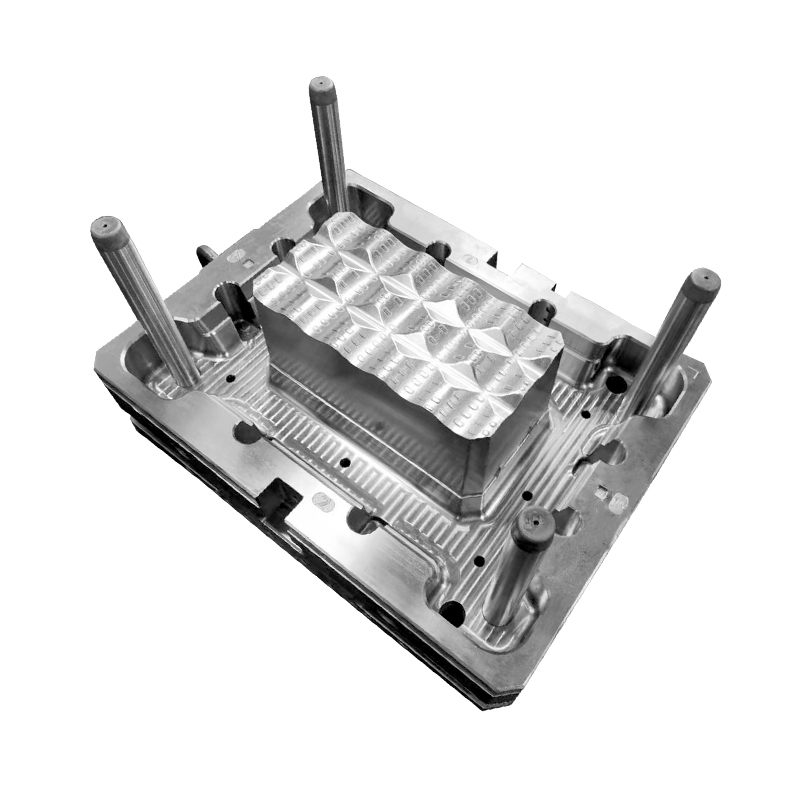
Our Food/Beverage Plastic Crate Mould is meticulously designed to meet the diver...
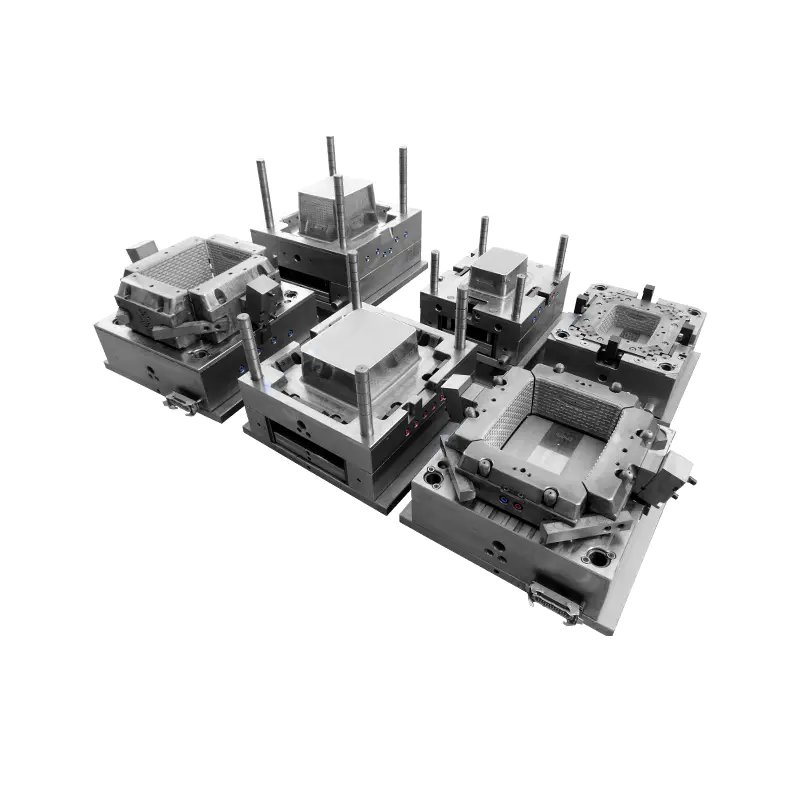
In the realm of plastic furniture storage solutions, our injection mould stands ...
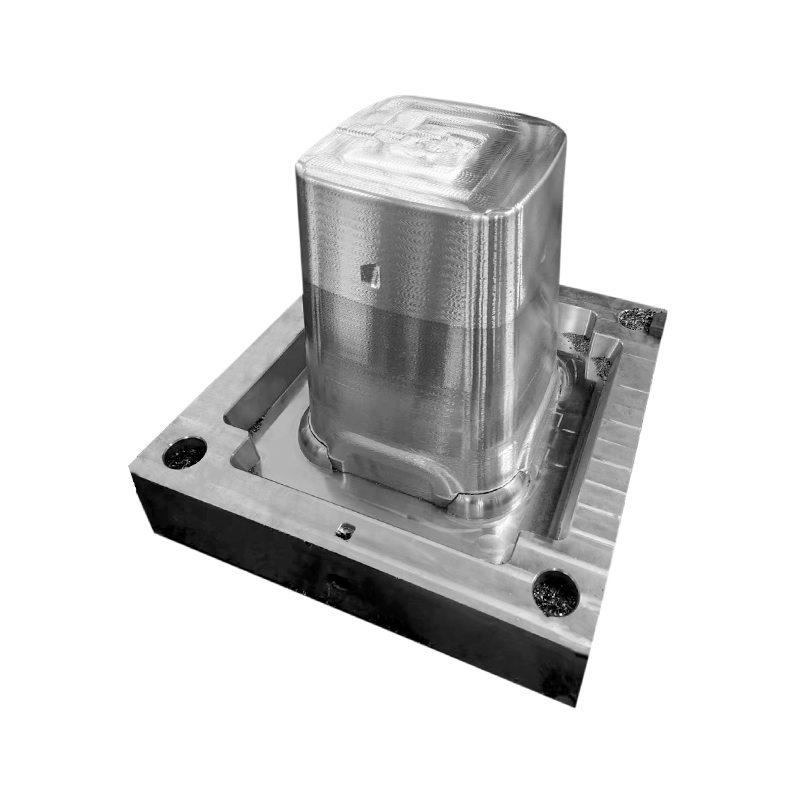
In the realm of contemporary furniture design, the Durable Plastic Rattan Stool ...
Taizhou Huangyan Edge Mould Co., Ltd.
Phone: +86-15068654601
Email: [email protected]
Address: No.62 Zhao Feng Road, Huangyan, Taizhou, Zhejiang, China
Copyright © Taizhou Huangyan Edge Mould Co., Ltd. All Rights Reserved.
