
 English
 Español
 عربى
عربىThe Plastic Thin Space Cup Mould represents an innovation in the manufacturing o...

-

+86-15068654601
-

No.62 Zhao Feng Road, Huangyan, Taizhou, Zhejiang, China
+86-15068654601
No.62 Zhao Feng Road, Huangyan, Taizhou, Zhejiang, China
The Plastic Injection Molding Machine Supplier operates on a cyclic process with four main phases, coordinated by several integrated subsystems. The core process begins with clamping: the two halves of a steel mold are hydraulically or electrically closed and held together with significant force (measured in clamping tons) to resist injection pressure. Next is injection: plastic resin granules are fed from a hopper into a heated barrel where a rotating screw conveys them forward. The combination of mechanical shear from the screw and heat from the barrel bands melts the plastic. The screw then stops rotating and acts as a plunger, injecting the molten plastic at high pressure through a nozzle into the mold cavity.
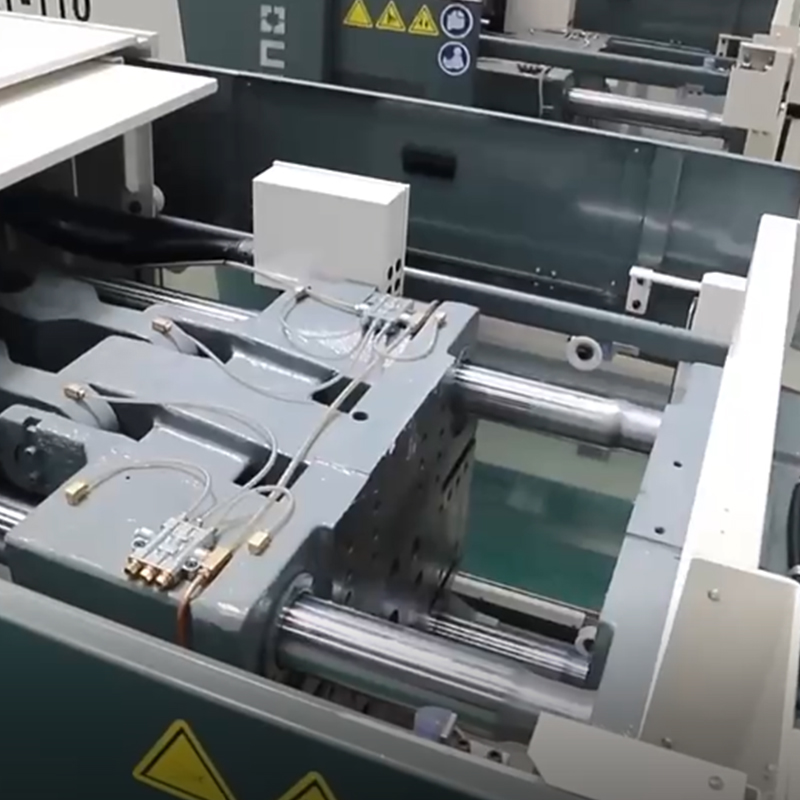
The third phase is cooling (or dwelling): the plastic inside the mold cools and solidifies into the shape of the cavity. During this time, the screw may rotate again to prepare the next shot of material (a process called plasticizing or recovery). The final phase is ejection: the mold opens, and ejector pins push the solidified part out. The mold then closes, and the cycle repeats.
The main mechanical subsystems that enable this are the injection unit (hopper, barrel, screw, and hydraulic or electric drives), the clamping unit (the mechanism that opens, closes, and holds the mold), the mold, which is a separate tool mounted onto the machine platens, and the control system, which regulates temperatures, pressures, speeds, and timing.
The distinction lies in the primary drive technology for the screw and clamping movements. Hydraulic machines use hydraulic pumps and cylinders. They are known for high clamping force at a relatively lower initial cost and are robust for molding abrasive materials. Their disadvantages include higher energy consumption due to constant pump operation and potential for oil leaks and maintenance.
Electric machines use servo motors to drive all movements via ball screws. They offer high precision, repeatability, faster cycle times, and significant energy savings, as power is used only during movement. They are cleaner and quieter but generally have a higher purchase price and can be less suitable for very high clamping force applications.
Hybrid machines combine technologies, typically using electric servo motors for the injection unit (for precise shot control) and hydraulics for the high-force clamping action. This aims to balance the precision and speed of electrics with the power and cost profile of hydraulics.
Selection depends on application priorities. Electric machines are often chosen for high-precision parts (medical, optical) and where energy costs are a major concern. Hydraulic machines are common for larger, less geometrically critical parts and in cost-sensitive environments. The required clamp tonnage—calculated based on the part's projected area and the injection pressure needed—is the primary sizing criterion, regardless of drive type.
Several recurring defects can be traced to imbalances in the molding process parameters. Short shots (incomplete filling of the mold) are caused by insufficient injection pressure or speed, low material temperature, or a blocked vent. Sink marks (depressions on thick sections) result from insufficient packing pressure or time, causing the material to shrink inward as it cools. Flash (thin excess plastic at the mold parting line) indicates the clamping force is too low for the injection pressure, the mold is worn, or the injection speed is too high.
Warpage (distortion of the part after ejection) is usually a cooling issue, caused by uneven cooling on different sides of the part or ejection while the part is still too hot. Burn marks (black or brown discoloration) are caused by trapped air that compresses and ignites (dieseling) due to poor venting or excessive injection speed. Addressing these defects involves a systematic adjustment of the machine’s temperature profiles, injection speed and pressure profiles, packing pressure, and cooling time.
Injection molding machines are equipped with multiple safety systems due to the presence of high pressure, high temperature, and powerful moving components. The primary safeguard is the safety gate or door interlock. This electrically and mechanically prevents the mold from closing while the gate is open, protecting the operator. Hydraulic overload protection prevents the system from exceeding safe pressure limits. Machine guards enclose the clamping area and the screw drive mechanism.
Operational precautions are essential. Only trained personnel should operate or set up the machine. Proper lockout/tagout procedures must be followed for all maintenance to isolate energy sources. The mold must be securely mounted, and correct tonnage must be set to avoid flash or damage. Operators must use appropriate personal protective equipment, such as heat-resistant gloves, when handling hot parts or purged material. Regular maintenance of the hydraulic system, heaters, and safety interlocks is required to ensure these protective systems function as designed.
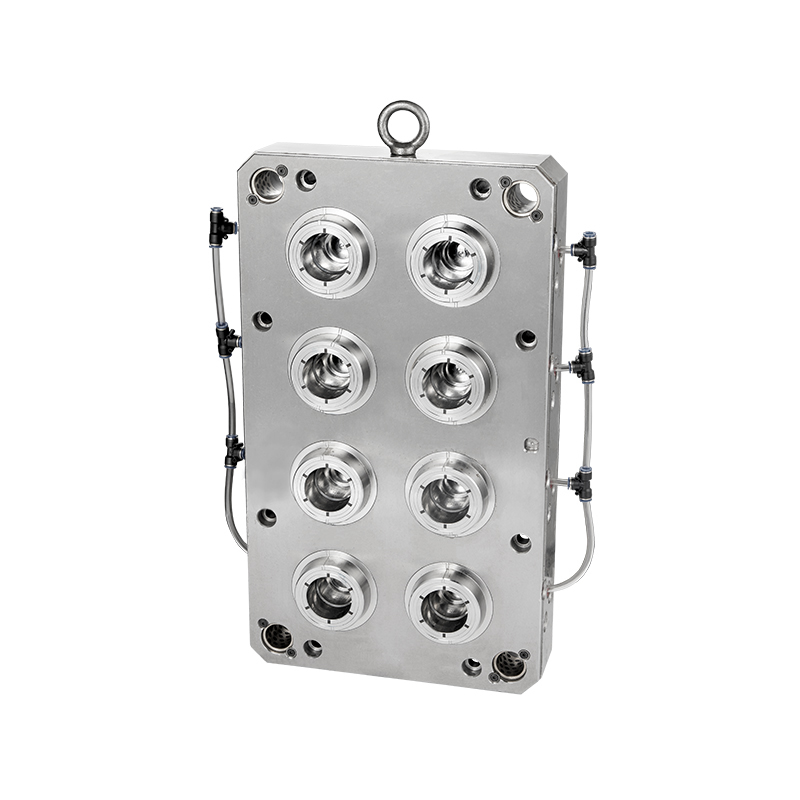
The Plastic Thin Space Cup Mould represents an innovation in the manufacturing o...
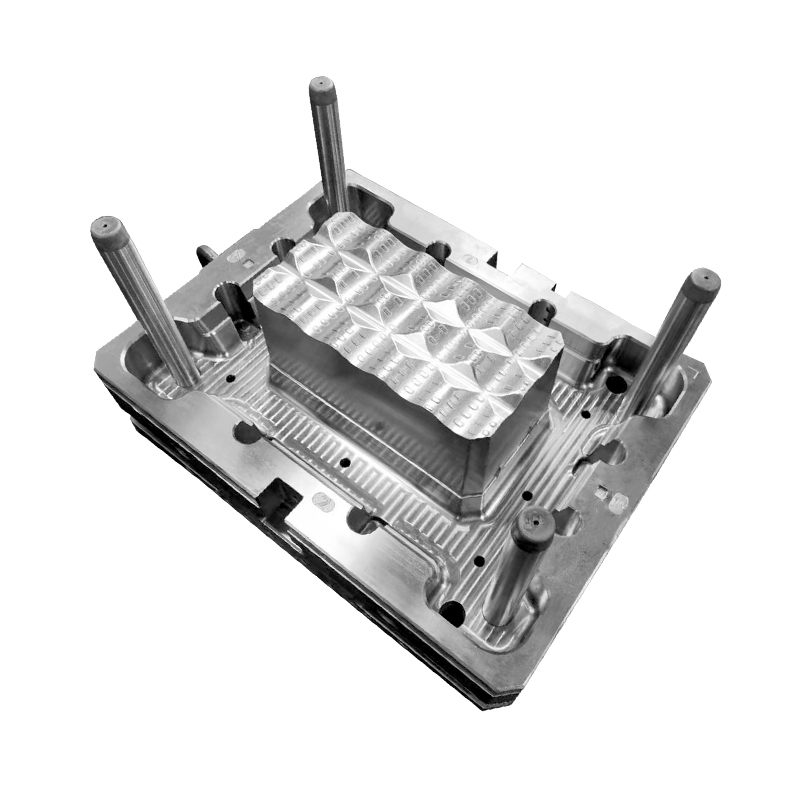
Our Food/Beverage Plastic Crate Mould is meticulously designed to meet the diver...
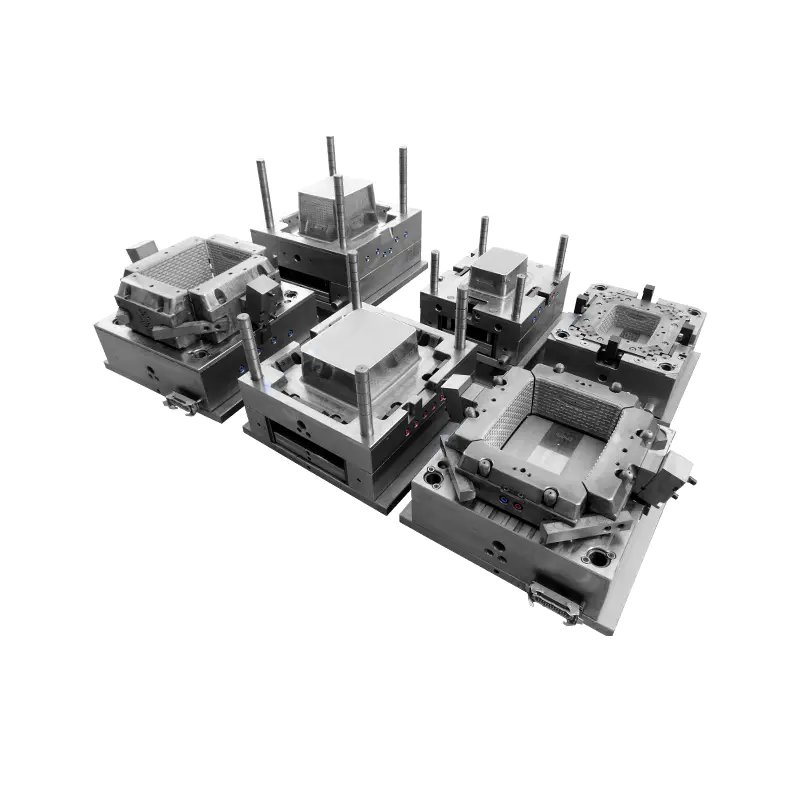
In the realm of plastic furniture storage solutions, our injection mould stands ...
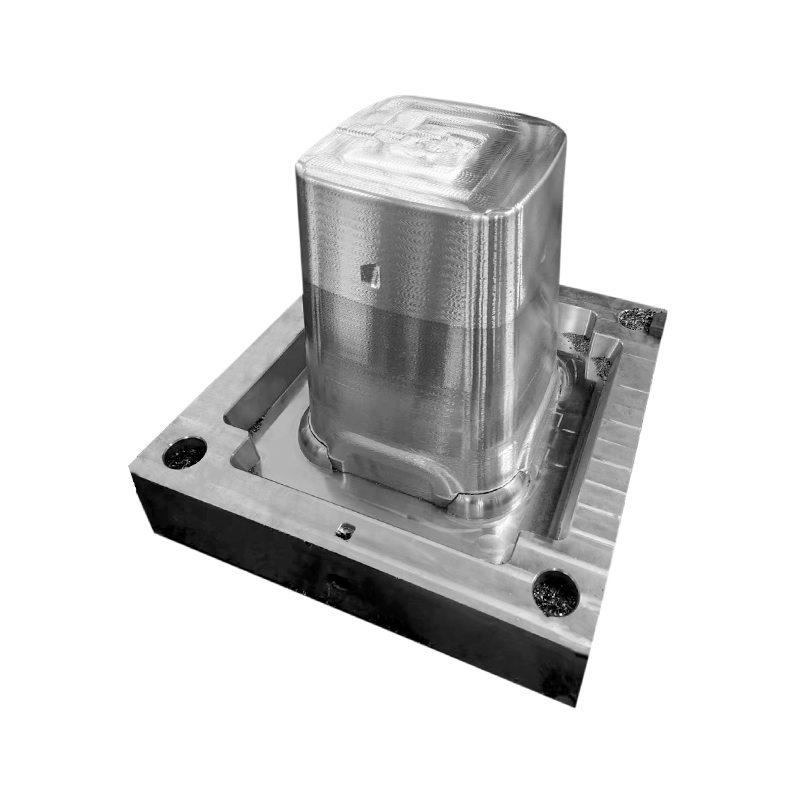
In the realm of contemporary furniture design, the Durable Plastic Rattan Stool ...
Taizhou Huangyan Edge Mould Co., Ltd.
Phone: +86-15068654601
Email: [email protected]
Address: No.62 Zhao Feng Road, Huangyan, Taizhou, Zhejiang, China
Copyright © Taizhou Huangyan Edge Mould Co., Ltd. All Rights Reserved.
