
 English
 Español
 عربى
عربىThe Plastic Thin Space Cup Mould represents an innovation in the manufacturing o...

-

+86-15068654601
-

No.62 Zhao Feng Road, Huangyan, Taizhou, Zhejiang, China
+86-15068654601
No.62 Zhao Feng Road, Huangyan, Taizhou, Zhejiang, China
Thin wall moulding imposes three design requirements not found in conventional wall moulds.
High-pressure injection system design: The mould must incorporate a hot runner system with multiple gate points. For a 16-cavity mould producing 0.4 mm thick cups, the number of gates per cavity ranges from 1 to Single-gate designs (centre gate at the cup base) are used for diameters under 65 mm. For cups above 70 mm diameter, three or four fan gates arranged radially reduce the flow distance. The pressure required to fill a 0.4 mm wall cavity is 120–180 MPa, compared to 60–90 MPa for a 1.0 mm wall. The mould must sustain these pressures without deflection; mould plates are typically 30–50% thicker than standard moulds (e.g., 40–60 mm thick clamp plates versus 25–35 mm for conventional moulds).
Venting configuration: Thin-wall cavities fill in 0.2–0.8 seconds, trapping air that must escape. Vent depths are critical: for PP, vents are 0.02–0.03 mm deep; for PS, 0.01–0.02 mm. Vents are placed at the cavity's farthest point from the gate—typically the cup rim. A mould with inadequate venting shows burn marks (brown or black streaks) on 5–15% of cups, caused by compressed air heating to 200–250°C. Each cavity requires 2–4 venting channels, each 8–15 mm wide. Some thin-wall moulds incorporate vacuum assist (40–60 kPa suction) to evacuate air before injection, reducing venting requirements by 30–40%.
What defects are specific to thin-wall cup moulding, and how are they prevented?
Short shots (incomplete cavity filling): Occurs when plastic solidifies before reaching the cavity end. Appears as a missing rim section (2–15 mm gap). Causes: melt temperature too low (PP below 200°C, PS below 180°C), injection speed below 200 mm/s, or insufficient injection pressure (below 120 MPa). Prevention: increase melt temperature to 220–240°C for PP, 200–220°C for PS; set injection speed to 250–400 mm/s; set hold pressure to 80–100 MPa. Short shot rate should remain below 0.5% of production.
Warpage (non-flat rim or oval shape): The cup rim deviates from flatness by more than 1.0 mm, or the cup body becomes elliptical (difference between max and min diameter exceeding 0.8 mm). Primary cause: uneven cooling between core and cavity. For a 0.4 mm wall, the temperature difference between the core (cooling channel inlet at 10–15°C) and cavity (15–25°C) should be within 5°C. Warpage also results from insufficient holding time (less than 1.5 seconds for cups under 200 mL). Prevention: balance cooling circuits so that coolant flow rates are within 10% of each other; measure coolant temperature at each circuit outlet to confirm ΔT ≤ 5°C; set holding time to 2–3 seconds.
Polypropylene (PP): Used for approximately 65% of thin-wall cups. Melt flow index (MFI) for thin-wall grades is 30–60 g/10 min (measured at 230°C/2.16 kg). Higher MFI fills thin cavities more easily but reduces impact strength. A PP cup with 0.4 mm wall thickness withstands a drop test from 0.8–1.2 meters filled with water at 20°C without cracking. Recommended mould temperature: 10–30°C. Cooling time: 3–5 seconds for a 200 mL cup. Shrinkage: 1.2–1.8% (mould design must compensate). PP cups resist oils and acidic beverages but become brittle below 0°C. Maximum production rate: 5–8 second cycle time.
Polystyrene (PS): Used for 30% of thin-wall cups, primarily for cold beverages. MFI for PS is 10–20 g/10 min (200°C/5 kg). PS cups have higher stiffness (flexural modulus 2,500–3,000 MPa vs. 1,200–1,500 MPa for PP), so they feel more rigid at the same wall thickness. However, PS is brittle; a 0.4 mm PS cup fails (cracks) in a drop test from 0.4–0.6 meters. Recommended mould temperature: 40–60°C (higher than PP to reduce internal stress). Cooling time: 4–7 seconds. Shrinkage: 0.4–0.7% (mould design must be closer to the final dimension). PS cups are not suitable for hot liquids above 70°C (softening begins). Maximum production rate: 6–10 second cycle time.
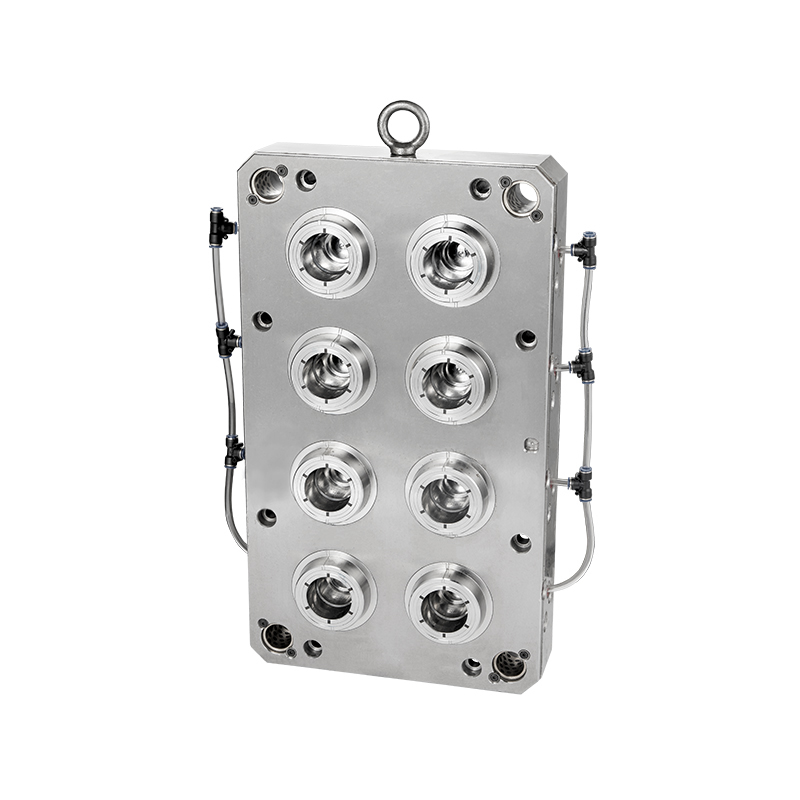
The Plastic Thin Space Cup Mould represents an innovation in the manufacturing o...
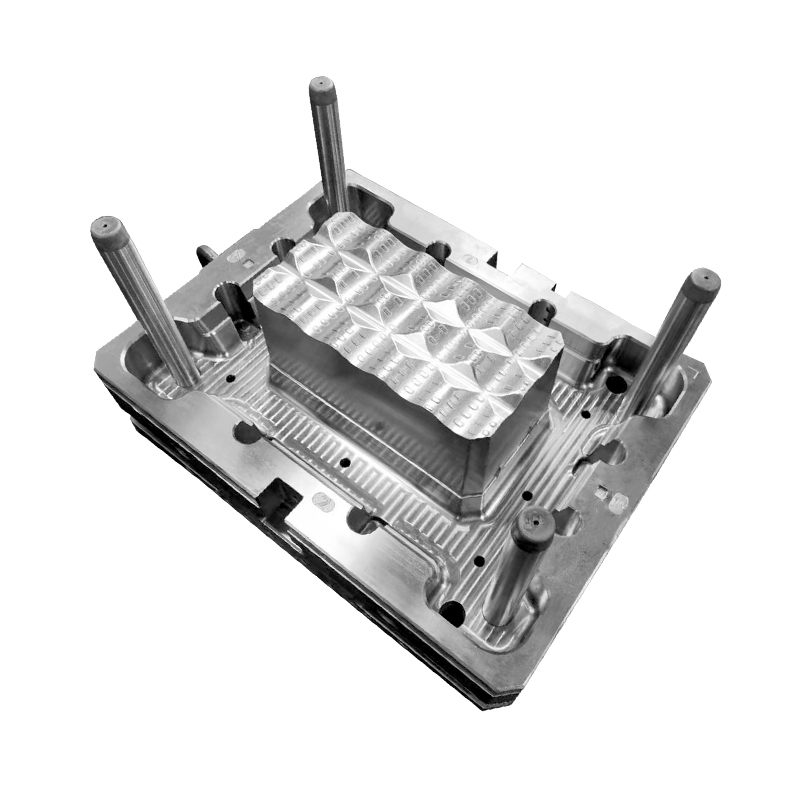
Our Food/Beverage Plastic Crate Mould is meticulously designed to meet the diver...
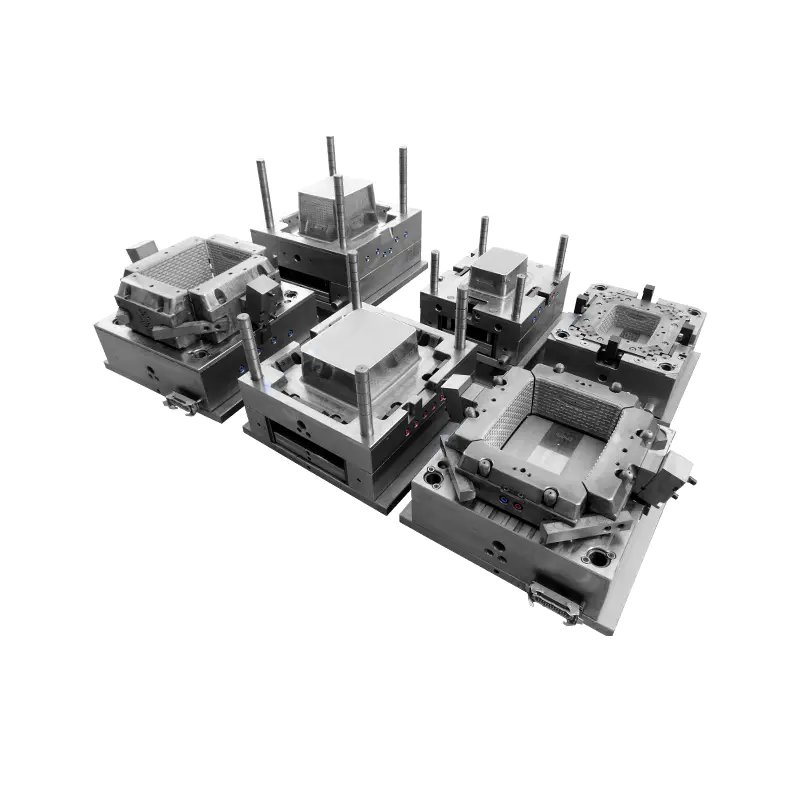
In the realm of plastic furniture storage solutions, our injection mould stands ...
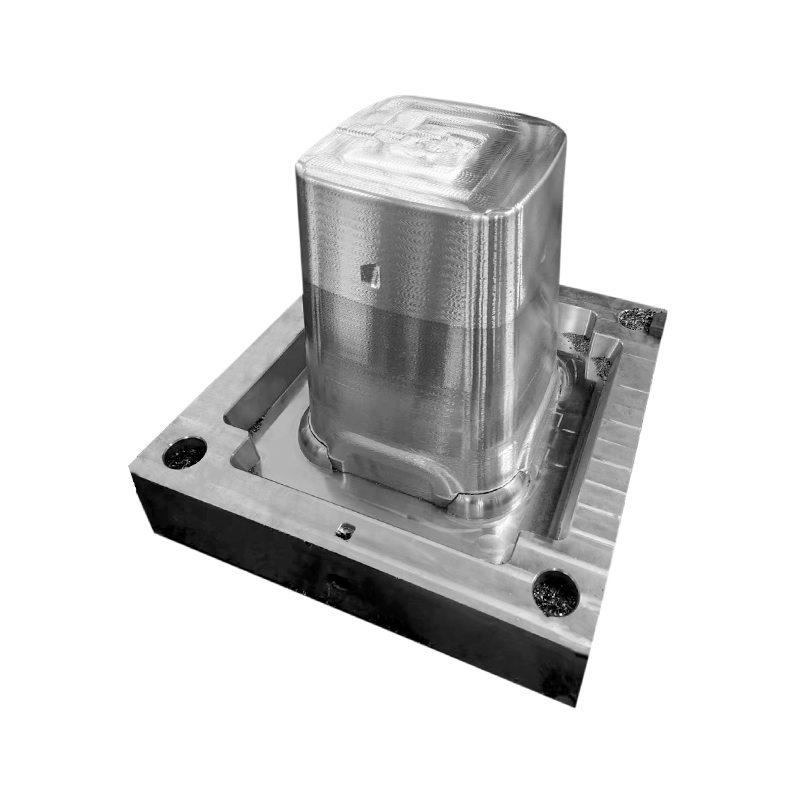
In the realm of contemporary furniture design, the Durable Plastic Rattan Stool ...
Taizhou Huangyan Edge Mould Co., Ltd.
Phone: +86-15068654601
Email: [email protected]
Address: No.62 Zhao Feng Road, Huangyan, Taizhou, Zhejiang, China
Copyright © Taizhou Huangyan Edge Mould Co., Ltd. All Rights Reserved.
