
 English
 Español
 عربى
عربىThe Plastic Thin Space Cup Mould represents an innovation in the manufacturing o...

-

+86-15068654601
-

No.62 Zhao Feng Road, Huangyan, Taizhou, Zhejiang, China
+86-15068654601
No.62 Zhao Feng Road, Huangyan, Taizhou, Zhejiang, China
The plastic dinosaur toys found in countless homes, educational settings, and retail shelves are the product of a sophisticated manufacturing process known as injection molding. This process involves injecting molten plastic into a precisely machined metal mold, where it cools and solidifies into the desired shape. While the final toy is made of plastic, the mold itself—the tool that gives the toy its form—is a complex assembly crafted from various materials, each selected for specific properties like hardness, wear resistance, thermal conductivity, and corrosion resistance. The quality, durability, and cost of the mold directly impact the quality and cost of the millions of dinosaur toys it can produce over its lifetime.
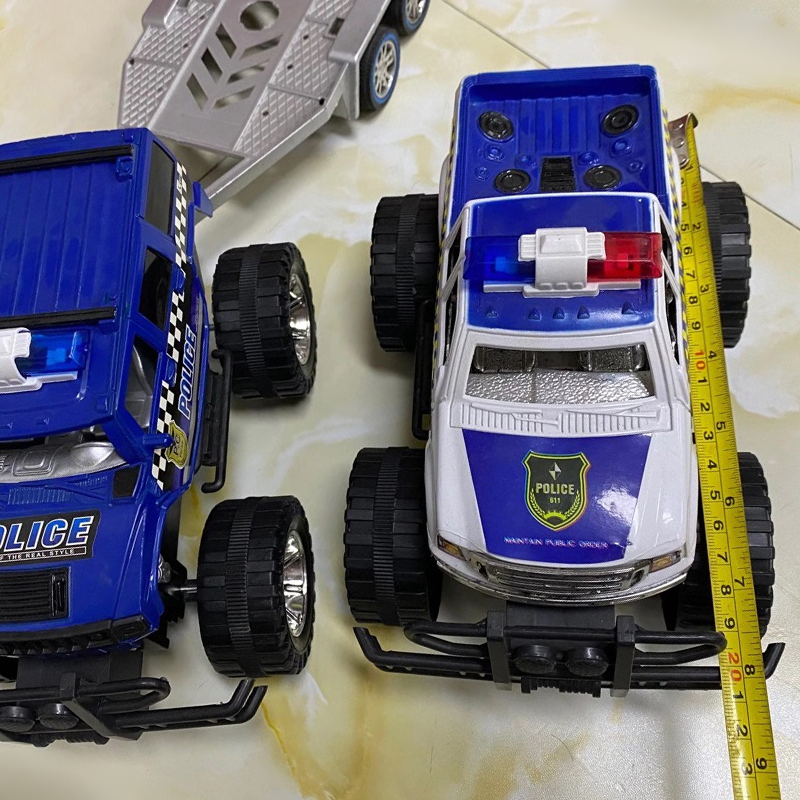
The Mold Base: Providing Structural Foundation
The plastic dinosaur toys mold base is the framework that holds all the other components together. It is a standardized assembly that provides the structural integrity to withstand the high clamping forces and injection pressures of the molding machine.
Pre-hardened Tool Steel (e.g., P20, 4140): The common material for mold bases is pre-hardened tool steel, such as AISI P20 or 4140. These steels are supplied in a pre-hardened condition, typically around 282 HRC (Rockwell Hardness C scale), which offers a good balance of strength, toughness, and machinability. P20 is a chromium-molybdenum steel specifically designed for plastic molds. It is readily machinable, dimensionally stable during heat treatment, and has sufficient hardness to resist wear and deformation under normal molding pressures. P20 is often used for the clamp plates, support plates, and other structural components of the mold base.
Low-Carbon Steel (e.g., 1020): For prototype molds or very low-volume production runs, less expensive low-carbon steels may be used for the mold base. Materials like AISI 1020 are easier and faster to machine but lack the hardness and wear resistance of tool steels. Molds made from these materials may deform or wear more quickly under production conditions, limiting their useful life.
Stainless Steel (e.g., 420): In applications where corrosion resistance is important, such as molding plastics that release corrosive byproducts or in cleanroom environments, stainless steel mold bases may be used. AISI 420 stainless steel offers good corrosion resistance and can be hardened to a high level for wear resistance. However, it is more expensive and can be more difficult to machine than P20.
The Cavity and Core: Shaping the Dinosaur
The cavity and core are the heart of the mold. These are the components that contain the negative impression of the dinosaur toy. When the mold closes, the cavity and core create a void that is filled with molten plastic to form the part. The materials for these components are critical, as they must reproduce fine details, resist wear from flowing plastic, and withstand repeated thermal cycles.
Hardened Tool Steel (e.g., H13, S7, D2): For high-volume production molds intended to produce millions of parts, the cavity and core are typically made from through-hardening tool steels. H13 is a hot-work tool steel that offers resistance to thermal fatigue (cracking from repeated heating and cooling cycles) and maintains its hardness at elevated temperatures. It is a common choice for molds running abrasive plastics or requiring long production runs. S7 is a shock-resistant tool steel with high toughness, making it suitable for molds with thin sections or features that might be prone to chipping. D2 is a high-carbon, high-chromium tool steel with wear resistance, often used for molds processing highly abrasive, filled plastics.
Pre-hardened Tool Steel (e.g., P20, 420SS): For medium-volume production or for molds with less complex geometries, the cavity and core may also be made from pre-hardened steels like P20 or 420 stainless steel. While not as hard as fully heat-treated H13 or D2, these materials are adequate for many applications. P20 is widely used for its machinability, allowing for complex shapes to be cut efficiently before the steel is hardened. Stainless steel versions like 420 offer corrosion resistance, which is beneficial for molds that may be stored for long periods.
Aluminum Alloys (e.g., 7075, QC): For prototype molds, bridge tooling (low-volume production runs), or molds for very large parts, aluminum is a common choice. High-strength aluminum alloys like 7075 offer machinability, allowing for very fast mold fabrication. Aluminum also has thermal conductivity compared to steel, meaning it can transfer heat away from the plastic faster, potentially reducing cycle times. However, aluminum is much softer than steel and will wear more quickly, especially when molding abrasive plastics. Its use is therefore limited to lower volume runs (typically a few thousand to tens of thousand parts).
Beryllium Copper Alloys: In areas of the mold that are difficult to cool, such as thin cores or deep ribs, inserts made from beryllium copper alloys may be used. These alloys have thermal conductivity several times higher than steel. By placing a beryllium copper insert in a hot spot and cooling it directly with water lines, mold designers can achieve more uniform cooling, reduce cycle times, and prevent part defects. These alloys are also quite hard and wear-resistant. However, machining beryllium copper requires special safety precautions due to the toxicity of beryllium dust.
Sliders, Lifters, and Moving Components
Many dinosaur toys have features that cannot be formed by a simple open-and-close mold. Features like undercuts (e.g., the space between a raised leg and the body) or holes at angles require moving components within the mold.
Hardened Tool Steel (e.g., H13, A2, O1): Sliders and lifters are moving mechanisms that create these undercuts. They must withstand sliding friction and high pressures from the injected plastic. These components are always made from hardened tool steels. H13 is common for its toughness and thermal fatigue resistance. A2 is an air-hardening tool steel with good wear resistance and dimensional stability during heat treatment, making it suitable for complex sliding mechanisms. O1 is an oil-hardening tool steel that is often used for smaller components due to its good machinability in the annealed state and predictable hardening behavior.
Wear Plates and Gibs: To ensure smooth motion and prevent galling (seizing) between sliding steel components, wear plates made from materials like bronze alloys, oil-impregnated sintered bronze, or graphite-impregnated bronze are often installed. These materials provide a low-friction bearing surface. Alternatively, hardened steel wear plates with coatings like titanium nitride (TiN) may be used for demanding applications.
Cooling System Components
Efficient cooling is essential for minimizing cycle time and ensuring consistent part quality. The cooling system consists of channels drilled through the mold base and into the cavity/core inserts.
Copper Alloy Baffles and Bubblers: In deep cores or other hard-to-reach areas, standard straight cooling channels are insufficient. Baffles (metal blades that divide a channel) and bubblers (tubes that allow water to flow to the bottom of a deep hole and then rise) are used to direct coolant flow. These components are often made from copper alloys like beryllium copper or brass for their thermal conductivity, which enhances heat transfer in these critical areas. They are typically plated or treated for corrosion resistance.
Stainless Steel Cooling Lines: The actual tubing that carries coolant to and from the mold is often stainless steel for its corrosion resistance. Fittings and connectors are typically brass or plated steel.
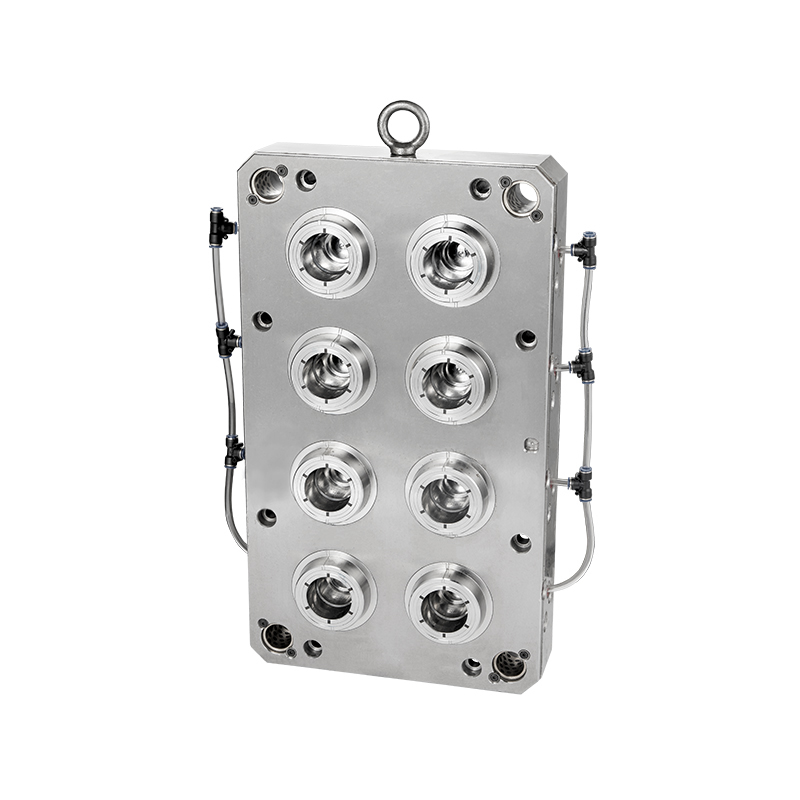
The Plastic Thin Space Cup Mould represents an innovation in the manufacturing o...
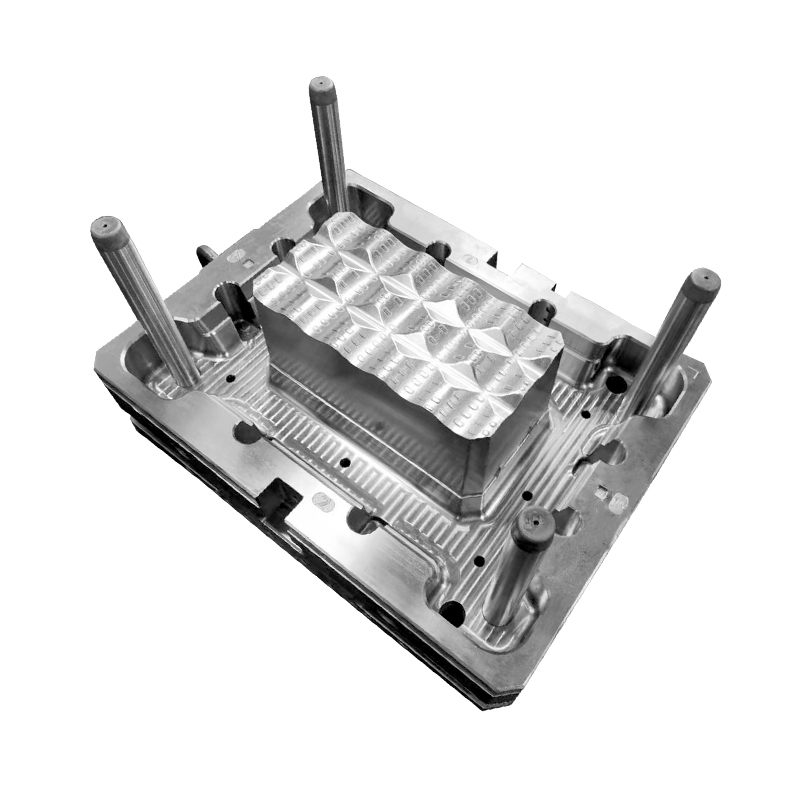
Our Food/Beverage Plastic Crate Mould is meticulously designed to meet the diver...
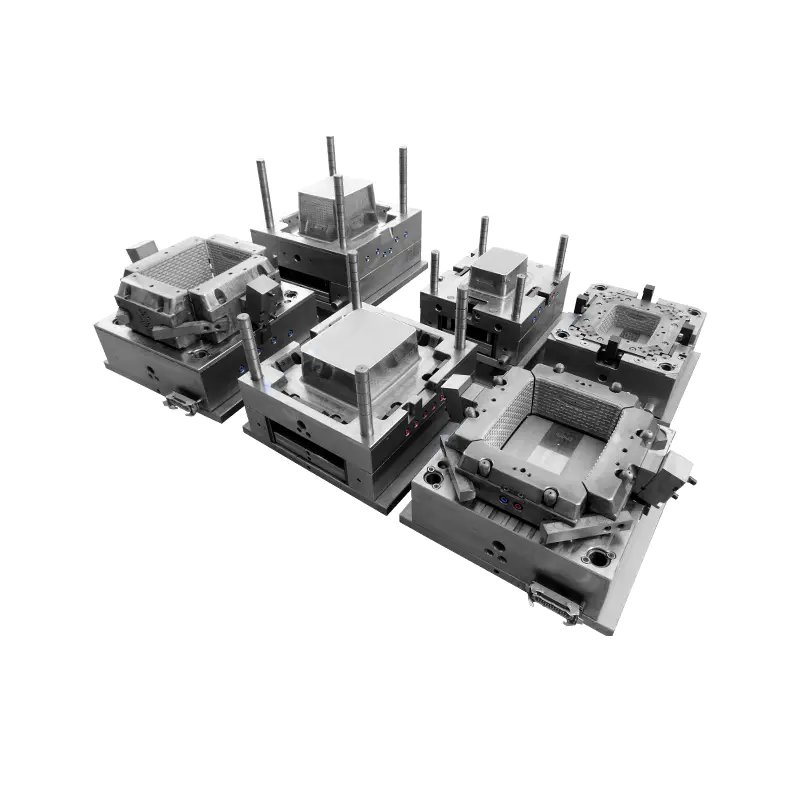
In the realm of plastic furniture storage solutions, our injection mould stands ...
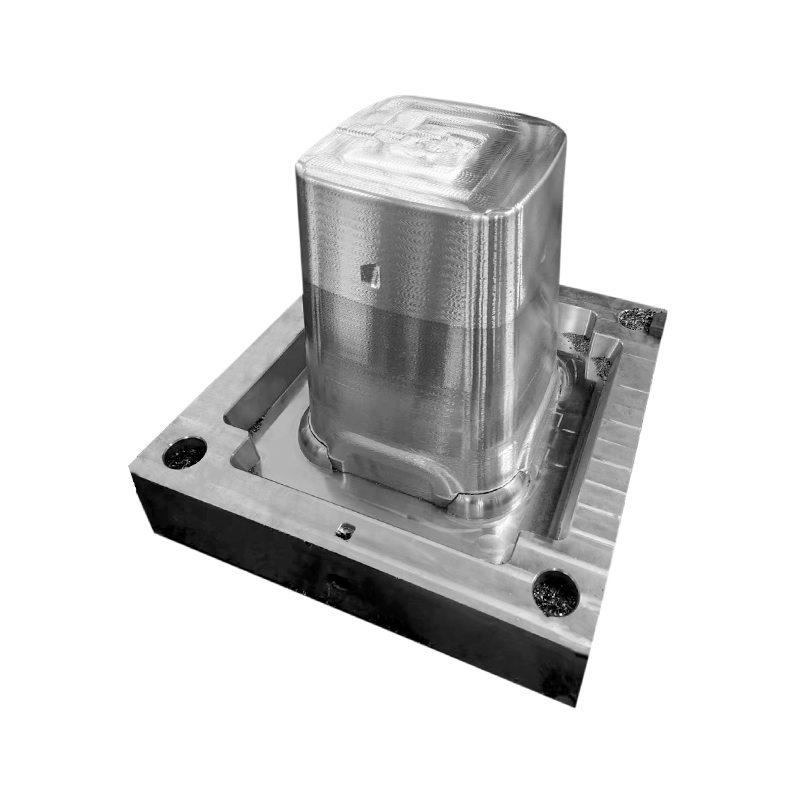
In the realm of contemporary furniture design, the Durable Plastic Rattan Stool ...
Taizhou Huangyan Edge Mould Co., Ltd.
Phone: +86-15068654601
Email: [email protected]
Address: No.62 Zhao Feng Road, Huangyan, Taizhou, Zhejiang, China
Copyright © Taizhou Huangyan Edge Mould Co., Ltd. All Rights Reserved.
