
 English
 Español
 عربى
The Plastic Thin Space Cup Mould represents an innovation in the manufacturing o...

-

+86-15068654601
-

No.62 Zhao Feng Road, Huangyan, Taizhou, Zhejiang, China
+86-15068654601
No.62 Zhao Feng Road, Huangyan, Taizhou, Zhejiang, China
A food container mould is a steel tool built to run millions of cycles. When the original owner retires it, or changes the container design, or closes a line, the mould still has most of its life left. A used food container mould supplier buys that tool, inspects it, refurbishes it, and sells it to a converter who needs the container without the lead time or the cost of the new mould. The used mould is not the scrap. It is the tool that still has to produce the container that seals, stacks, and sells.
The used mould is only worth what the inspection says it is. The supplier measures the cavity, the core, the rim geometry, and the parting line. The worn gate, the damaged ejector pin, the cracked cooling channel. The used food container mould supplier that documents the inspection gives the buyer the confidence that the tool will run.
A mould with the worn rim leaves the container that does not seal. A mould with the cracked core leaves the container that does not release. The supplier that catches these before the sale protects the buyer from the tool that fails on the first shift.
The used mould usually needs the work. The polishing of the cavity, the replacement of the ejector pins, the rework of the gate, the cleaning of the cooling channels. The used food container mould supplier that does the refurbishment in-house delivers the mould that runs like the new one.
The polish matters for the food contact surface. The cavity that is polished to the food-grade finish produces the container that cleans. The supplier that skips the polish ships the mould that produces the container with the surface defects.
The used mould was built for a specific press, a specific resin, and a specific container. The supplier has to confirm the mould fits the buyer's press and the buyer's resin. The used food container mould supplier that checks the platen size, the tie-bar spacing, the ejector pattern, and the cooling connections before the sale prevents the mould that arrives and does not fit.
The used mould costs less than the new one and ships faster. The converter who needs the container for the next season does not wait the months for the new tool. The used food container mould supplier that ships the inspected and refurbished mould from the stock gives the converter the tool that gets the product to the shelf.
Here is what a used food container mould supplier has to deliver:
The converter that needs the container for the short run buys the used mould. The startup that cannot afford the new tool buys the used one. The brand that changes the container design sells the old mould to the supplier who refurbishes it for the next buyer.
The rim wears because the steel was not hard enough or the cycles were too many. The supplier that measures the rim and reworks it restores the seal. The core cracks because the cooling was uneven. The supplier that checks the core and repairs it prevents the leak.
A used food container mould supplier sells the tool that still has the life left. The inspection and the refurbishment decide the value. Choose a supplier that documents the condition and does the work.
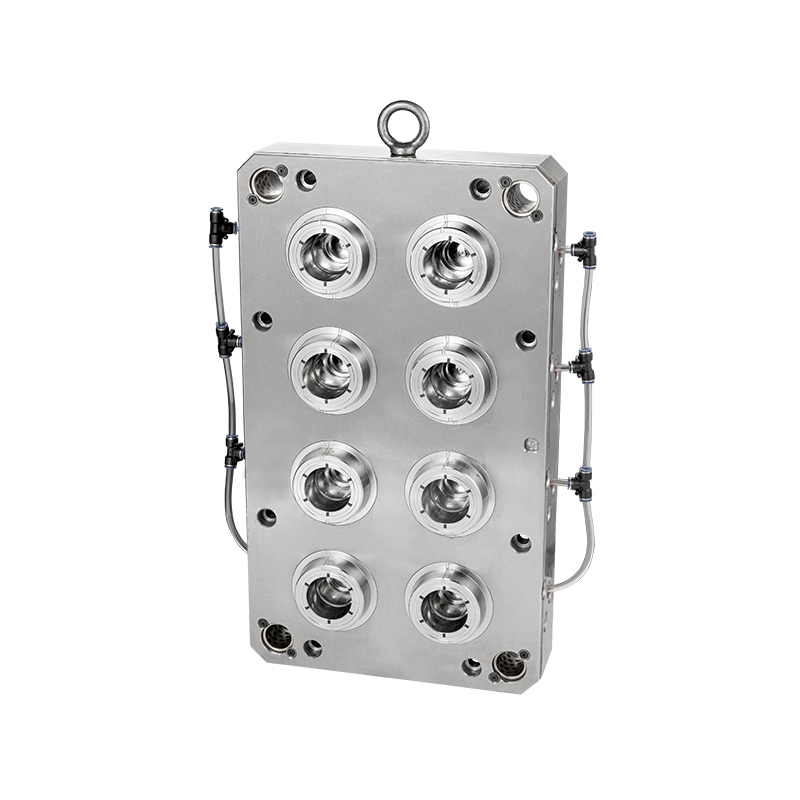
The Plastic Thin Space Cup Mould represents an innovation in the manufacturing o...
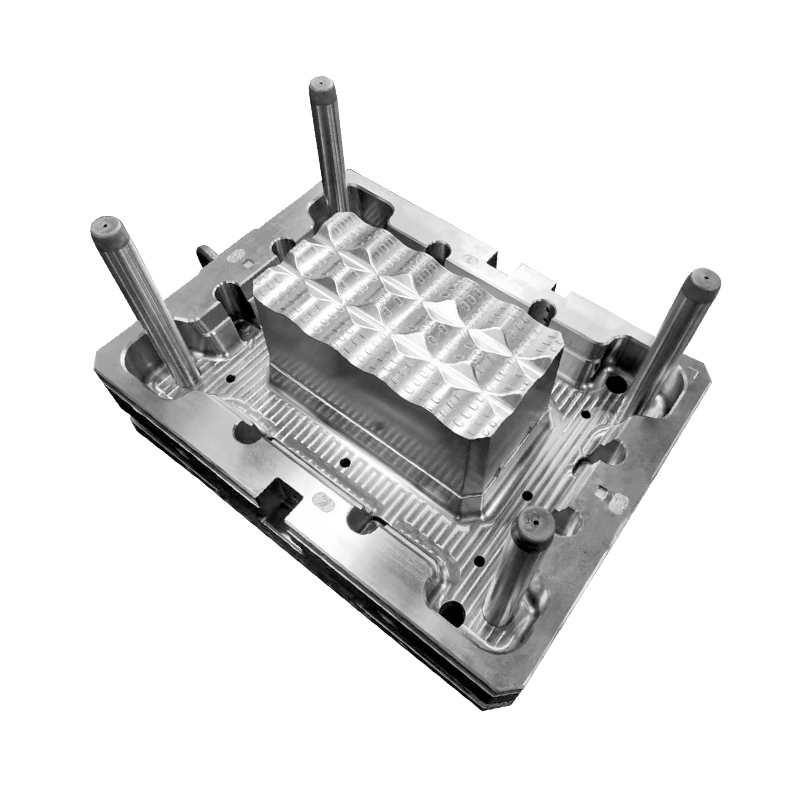
Our Food/Beverage Plastic Crate Mould is meticulously designed to meet the diver...
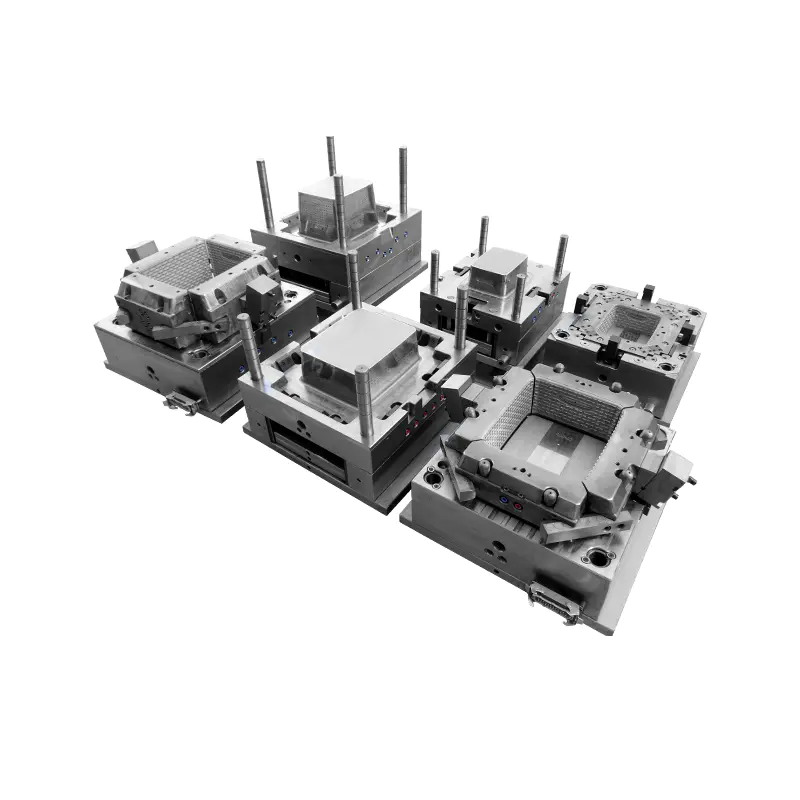
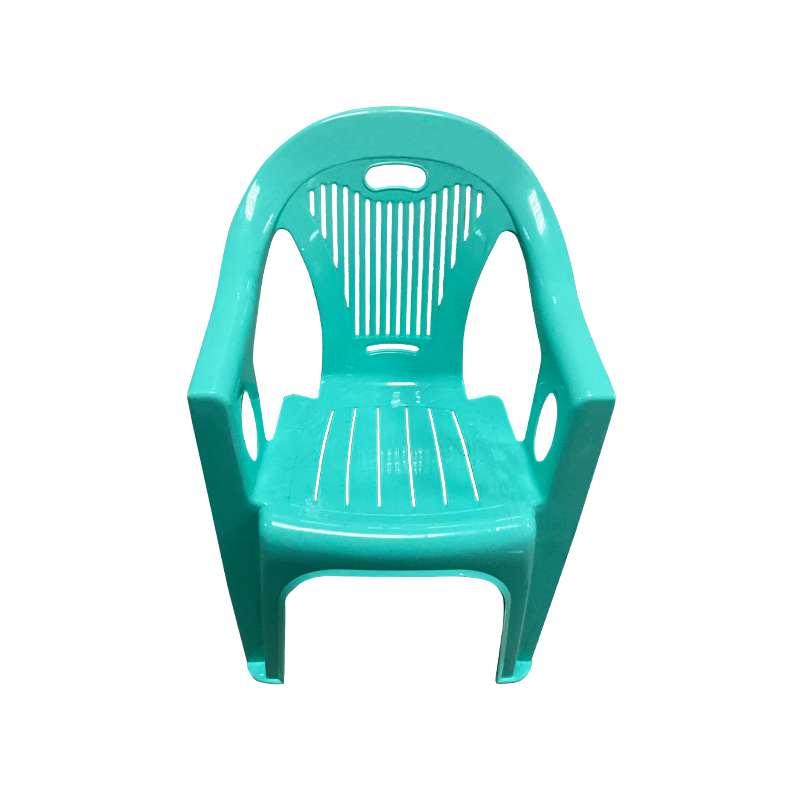
In the realm of plastic furniture storage solutions, our injection mould stands ...
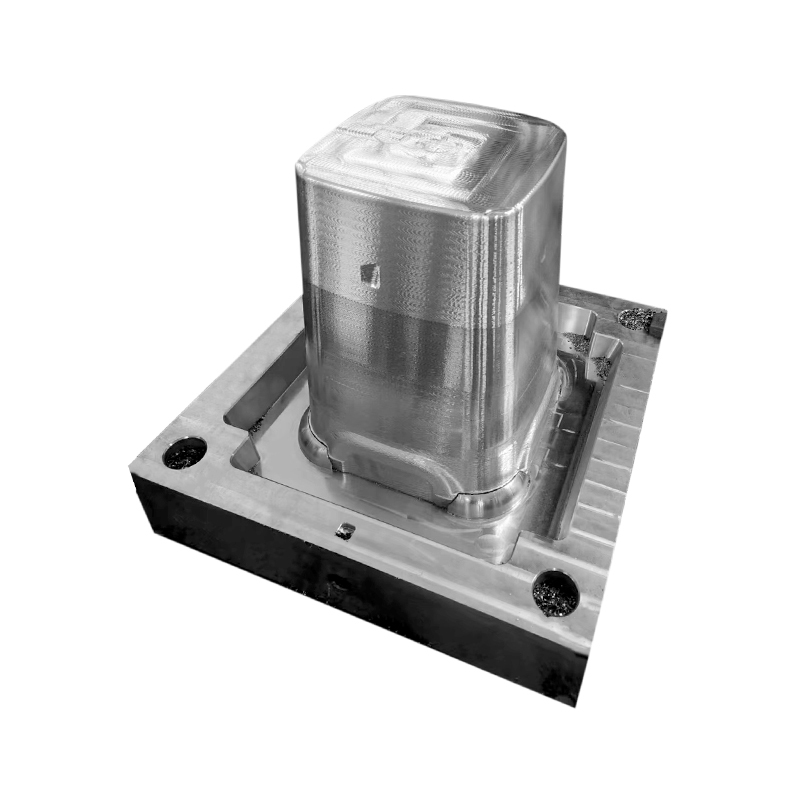
In the realm of contemporary furniture design, the Durable Plastic Rattan Stool ...
Taizhou Turnkey Mould Co., Ltd.
Phone: +86-15068654601
Email: [email protected]
Address: No.62 Zhao Feng Road, Huangyan, Taizhou, Zhejiang, China
Copyright © Taizhou Turnkey Mould Co., Ltd. All Rights Reserved.
