
 English
 Español
 عربى
The Plastic Thin Space Cup Mould represents an innovation in the manufacturing o...

-

+86-15068654601
-

No.62 Zhao Feng Road, Huangyan, Taizhou, Zhejiang, China
+86-15068654601
No.62 Zhao Feng Road, Huangyan, Taizhou, Zhejiang, China
A plastic washbasin is a simple product: a round or rectangular bowl with a rim, used for washing, soaking, or carrying water. The label shows the brand, the size, and the instructions. Most basins get a sticker after molding, and the sticker peels. An IML plastic washbasin mould puts the label inside the mould before the plastic is injected. The label fuses to the basin wall. It does not peel, fade, or wash off.
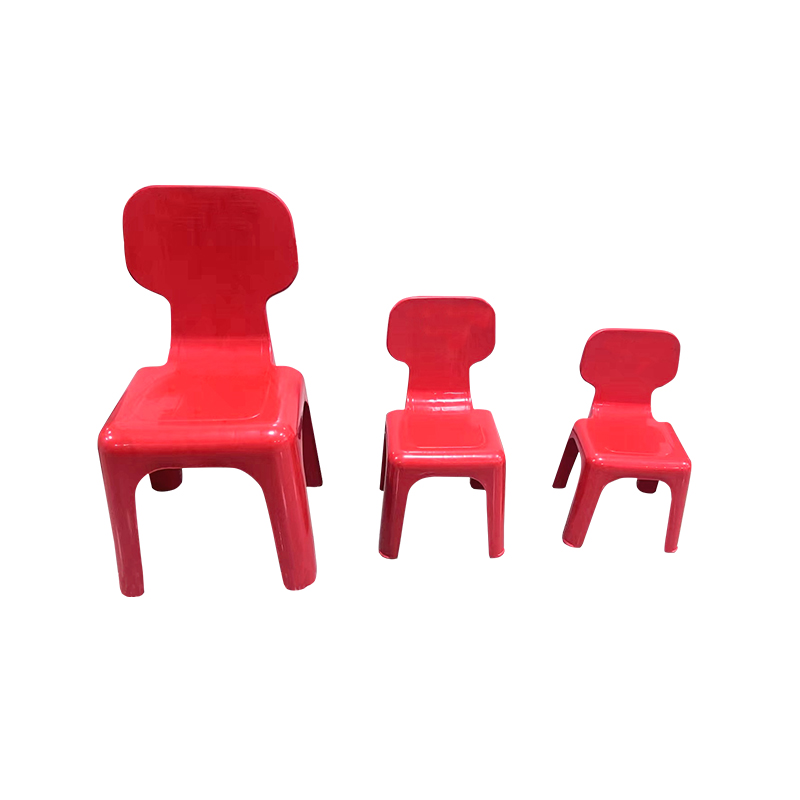
The label is printed on a polypropylene film. The basin is molded from polypropylene. When the molten plastic enters the cavity and contacts the back of the label, the two PP surfaces fuse. The bond is molecular. An IML plastic washbasin mould that matches the label film to the basin resin produces a bond that cannot peel because there is no interface to separate.
A mismatched label, PET on PP or paper on PP, sits on the surface with a weak mechanical grip. The first drop or the first scrape lifts the edge.
The label is printed, cut to shape, and stacked in the magazine. The robot arm or the mechanical picker lifts one label and places it into the open mould cavity. The static electricity or the vacuum holds the label against the cavity wall while the mould closes and the plastic injects.
The placement has to be exact. A label that shifts during the injection produces the basin with the print skewed or the label edge exposed. An IML plastic washbasin mould with the reliable retention system holds the label flat and still through the fill.
The basin is a deep draw with the tapered walls and the rim. The taper lets the basin release from the core. The rim gives the basin the strength and the grip. An IML plastic washbasin mould with the proper taper and the properly formed rim produces the basin that holds its shape.
The wall thickness is the balance. Too thick and the basin uses too much material. Too thin and it flexes. The base has to sit flat. A basin that rocks on the floor is a complaint. An IML plastic washbasin mould with the properly formed base produces the basin that sits steady.
The label carries the brand, the size, and the warnings. In a conventional sticker, the print sits on top and wears off. In an in-mold label, the print is buried under the clear PP layer or protected inside the film structure. The solvent drips and the abrasion of the stacking do not reach the ink.
Here is what an IML plastic washbasin mould has to deliver:
The hardware store sells the basin with the brand on the side. The label stays legible after the basin has been used, washed, and stacked. The brand owner orders the basins with the logo molded in. The export market uses the IML basin because the label survives the shipping.
The label shifts because the retention was not strong enough. The print comes out crooked. The label wrinkles because the film was too thin or the injection too aggressive. The label delaminates because the materials were not matched. The coating flakes and contaminates the product.
An IML plastic washbasin mould produces the basin with the label that stays. The label is part of the plastic. Choose a mould with the right retention and the right materials.
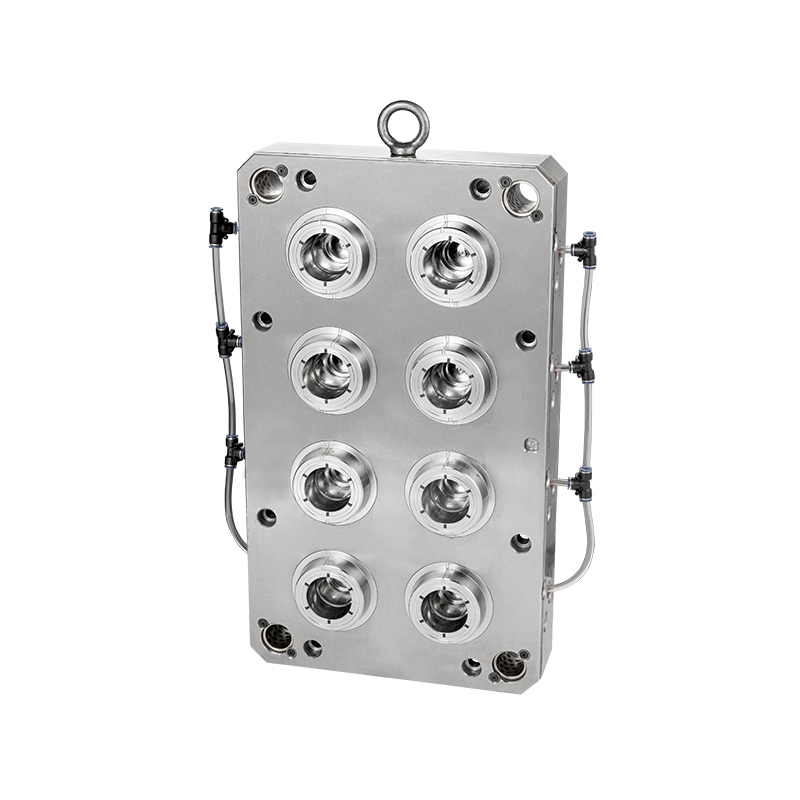
The Plastic Thin Space Cup Mould represents an innovation in the manufacturing o...
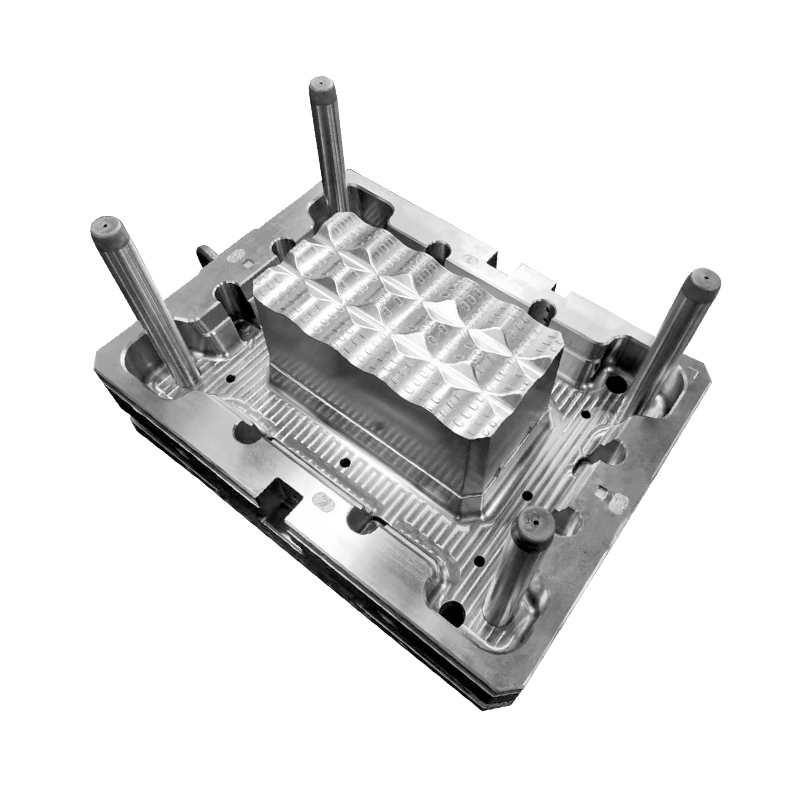
Our Food/Beverage Plastic Crate Mould is meticulously designed to meet the diver...
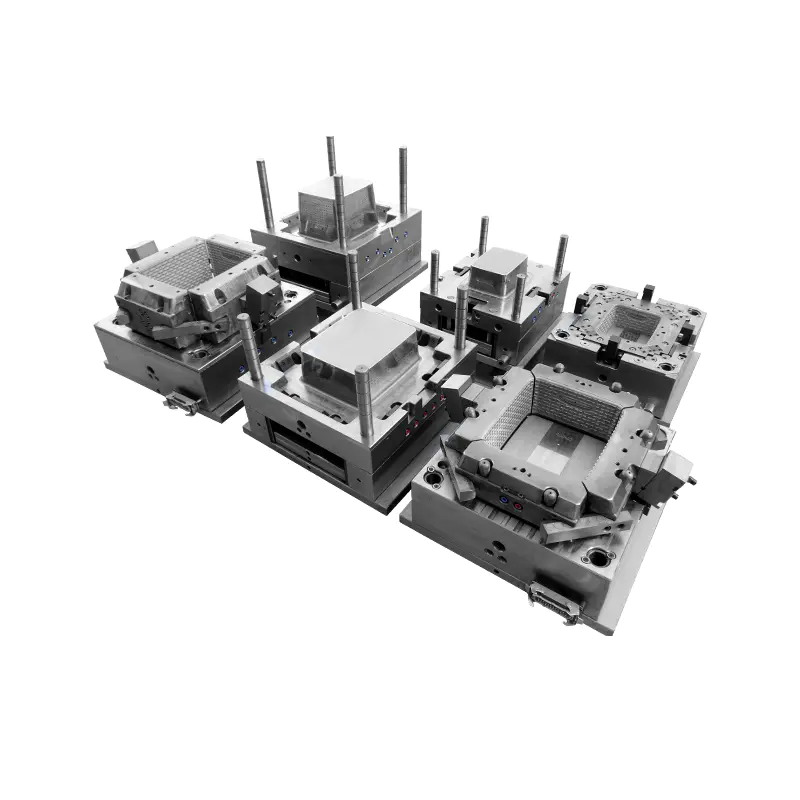
In the realm of plastic furniture storage solutions, our injection mould stands ...
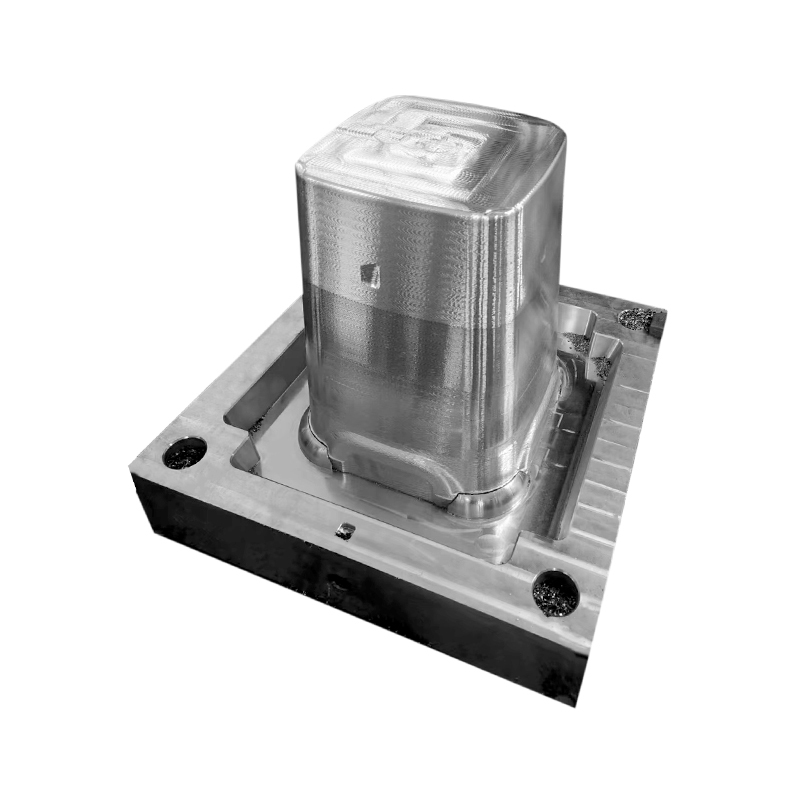
In the realm of contemporary furniture design, the Durable Plastic Rattan Stool ...
Taizhou Turnkey Mould Co., Ltd.
Phone: +86-15068654601
Email: [email protected]
Address: No.62 Zhao Feng Road, Huangyan, Taizhou, Zhejiang, China
Copyright © Taizhou Turnkey Mould Co., Ltd. All Rights Reserved.
