
 English
 Español
 عربى
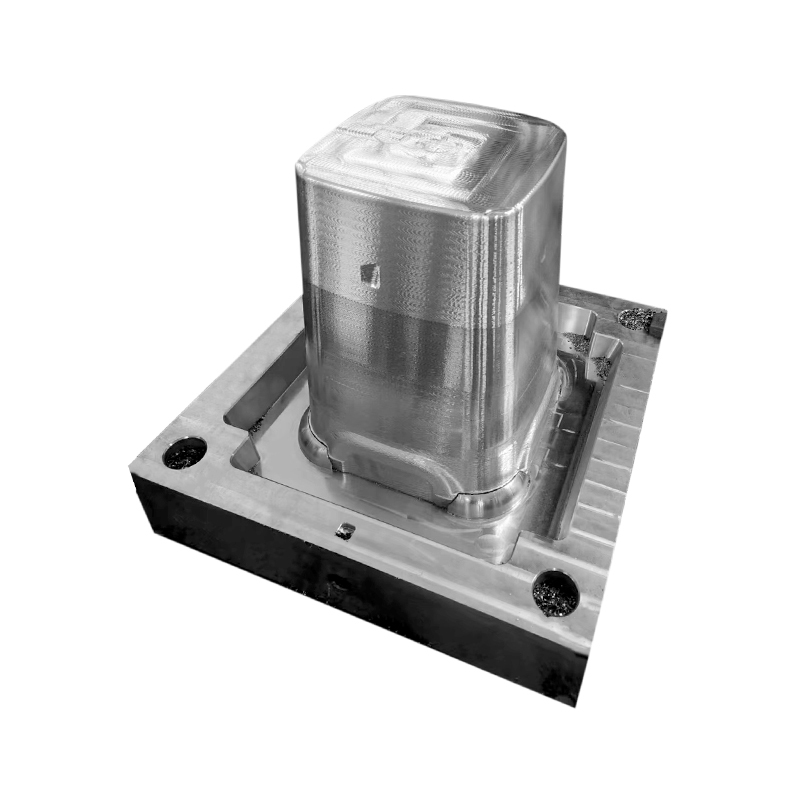
The Plastic Thin Space Cup Mould represents an innovation in the manufacturing o...

-

+86-15068654601
-

No.62 Zhao Feng Road, Huangyan, Taizhou, Zhejiang, China
+86-15068654601
No.62 Zhao Feng Road, Huangyan, Taizhou, Zhejiang, China
Thin wall storage container mould projects are drawing attention as packaging buyers seek lighter containers that still stack, seal, and survive filling lines. A thin wall storage container mould must fill a cavity with very little material in a very short time, so the tool and the process have to be planned together rather than treated as separate steps. Interest spans food storage, household organization, and takeaway packaging, where low part weight and fast cycles matter to cost while rigidity and a clean surface matter to the user.
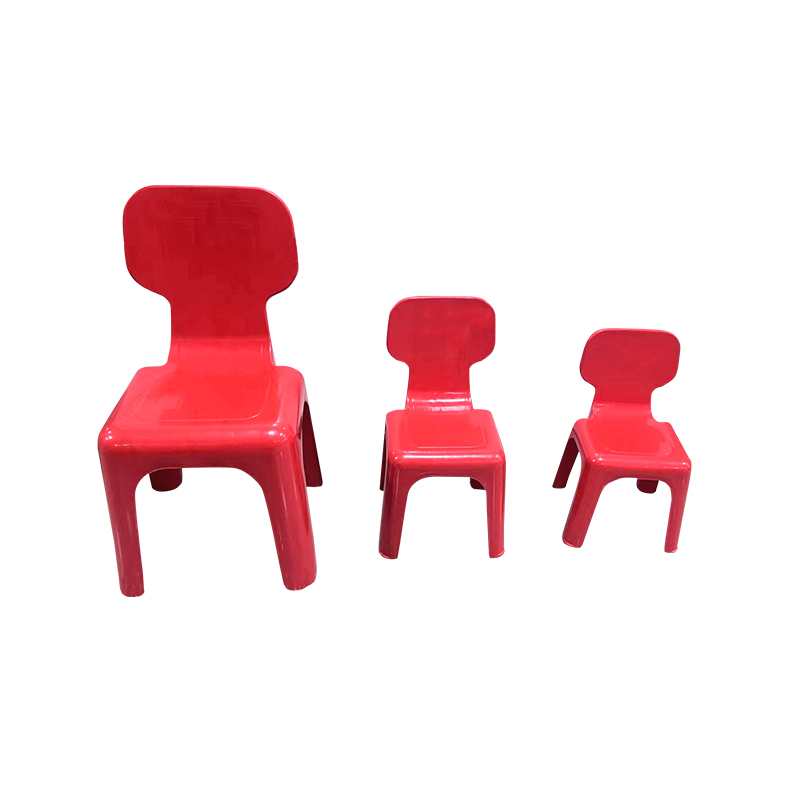
The defining challenge of thin wall molding is that the plastic has to travel far before it cools. Gate position, runner design, and cavity balance therefore matter more than in thicker parts. Two points deserve early attention:
Hot runner systems are common in this category, and their valve timing can be adjusted to improve balance. Buyers often ask for mold flow analysis before steel is cut, since simulation is cheaper than correcting a tool that fills poorly.
Thin walls save material, but they also reduce stiffness, so the container's shape has to carry load that the wall no longer can. Ribs, corner radii, and stacking features are the usual answer, and each one affects the mold. Ribs that are too thick create sink marks on the visible surface; ribs that are too thin fill poorly and add little strength. A supplier that models these features before cutting steel can propose a geometry that fills cleanly and still resists squeezing and stacking pressure. Wall uniformity also matters, since a sudden thickness change creates a cooling difference that pulls the part out of shape.
Cooling is where thin wall tools earn their cost back. Because the part is thin, it cools quickly, but the mold must remove that heat evenly or the container warps. Conformal cooling channels or baffles placed close to the cavity surface can shorten cycles, and core cooling on the container's inside surface is just as important as cavity cooling. Suppliers should explain how cooling is laid out and whether the design allows for later adjustment if cycle time or warpage proves different from the simulation. A tool with generous cooling capacity can be dialed back; a tool with insufficient cooling is difficult to fix later.
Ejection is a common source of trouble in thin wall parts, because a thin base flexes under ejector force. Air ejection, stripper plates, or well-placed ejector pins help avoid marks and distortion. Stacking features deserve attention too, since a container that stacks too tightly becomes hard to separate, while one that stacks too loosely takes up more shelf space and may topple. Buyers often test samples by filling, stacking, and unstacking them repeatedly to check how the features behave in practice.
Buyers comparing suppliers typically review samples for wall uniformity, gate marks, warpage, and stacking fit. Trial runs should measure parts across cavities, not just from one cavity, since cavity-to-cavity variation is a common problem in multi-cavity tools. Packaging and palletizing also deserve a look, because thin wall containers are easily deformed if stacked incorrectly during shipping.
Interest in thin wall storage container mould projects is likely to continue as packaging seeks lighter parts and faster cycles. Designers are expected to keep refining flow balance and cooling layouts, while buyers pay closer attention to how tools perform across all cavities rather than in a single sample. The category rewards simulation-led design and careful cooling rather than speed alone.
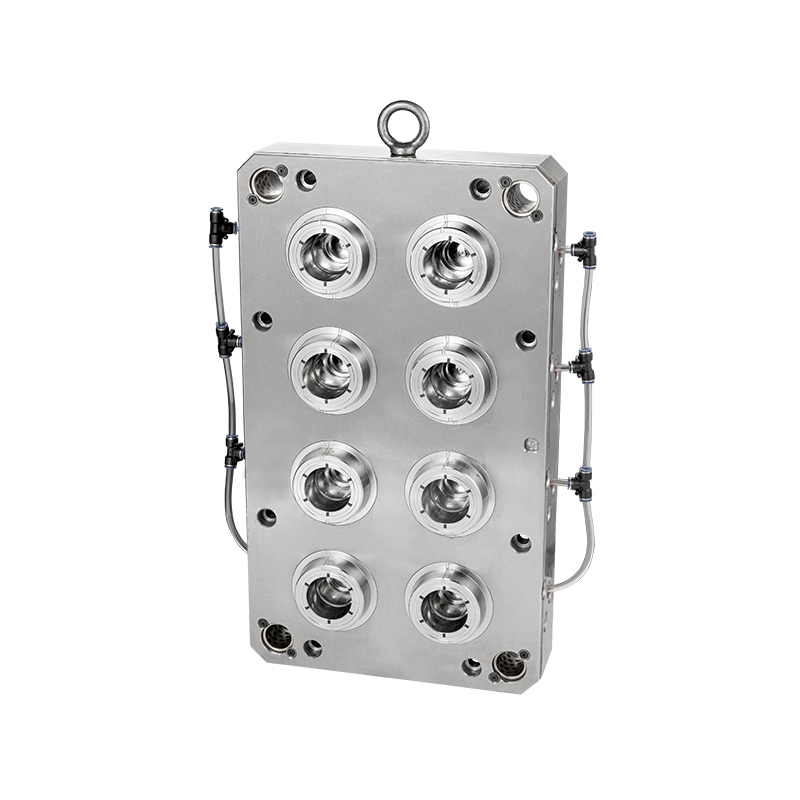
The Plastic Thin Space Cup Mould represents an innovation in the manufacturing o...
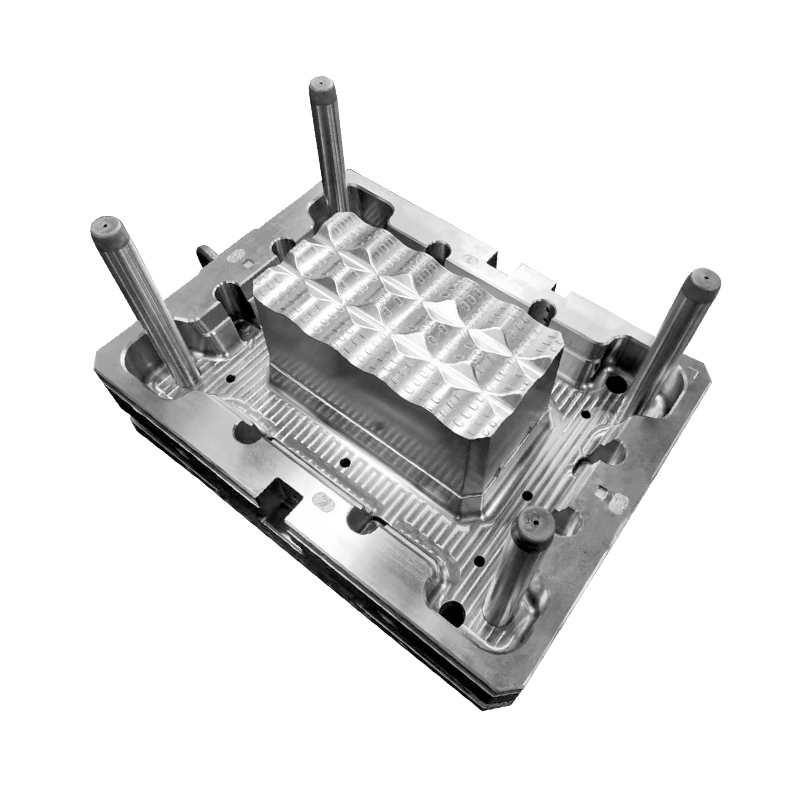
Our Food/Beverage Plastic Crate Mould is meticulously designed to meet the diver...
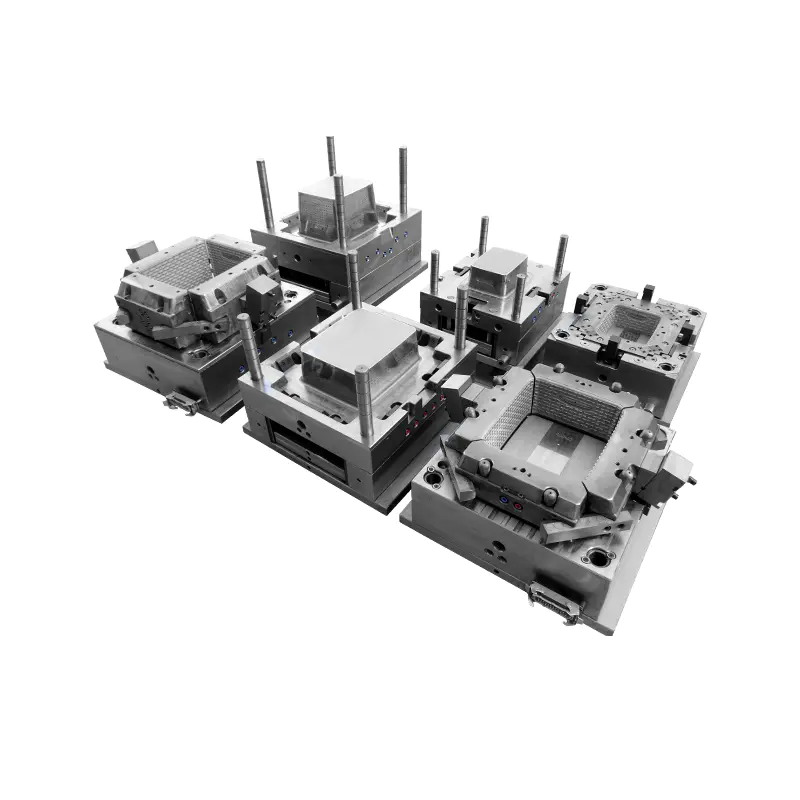
In the realm of plastic furniture storage solutions, our injection mould stands ...
In the realm of contemporary furniture design, the Durable Plastic Rattan Stool ...
Taizhou Turnkey Mould Co., Ltd.
Phone: +86-15068654601
Email: [email protected]
Address: No.62 Zhao Feng Road, Huangyan, Taizhou, Zhejiang, China
Copyright © Taizhou Turnkey Mould Co., Ltd. All Rights Reserved.
