
 English
 Español
 عربى
The Plastic Thin Space Cup Mould represents an innovation in the manufacturing o...

-

+86-15068654601
-

No.62 Zhao Feng Road, Huangyan, Taizhou, Zhejiang, China
+86-15068654601
No.62 Zhao Feng Road, Huangyan, Taizhou, Zhejiang, China
IML anti-theft food container mould manufacturer choices are moving earlier in packaging projects, as buyers look for partners who understand in-mold labeling, tamper-evident lid design, and the tooling that holds both features together in one cycle. Working with an IML anti-theft food container mould manufacturer now involves more than comparing quotes; teams assess how well a supplier handles label placement, closure geometry, and the way a container opens only once the tamper band is broken. Inquiries span takeaway food packaging, dairy and deli containers, and ready-meal trays, where visible tamper evidence and a clean printed surface are common requirements.
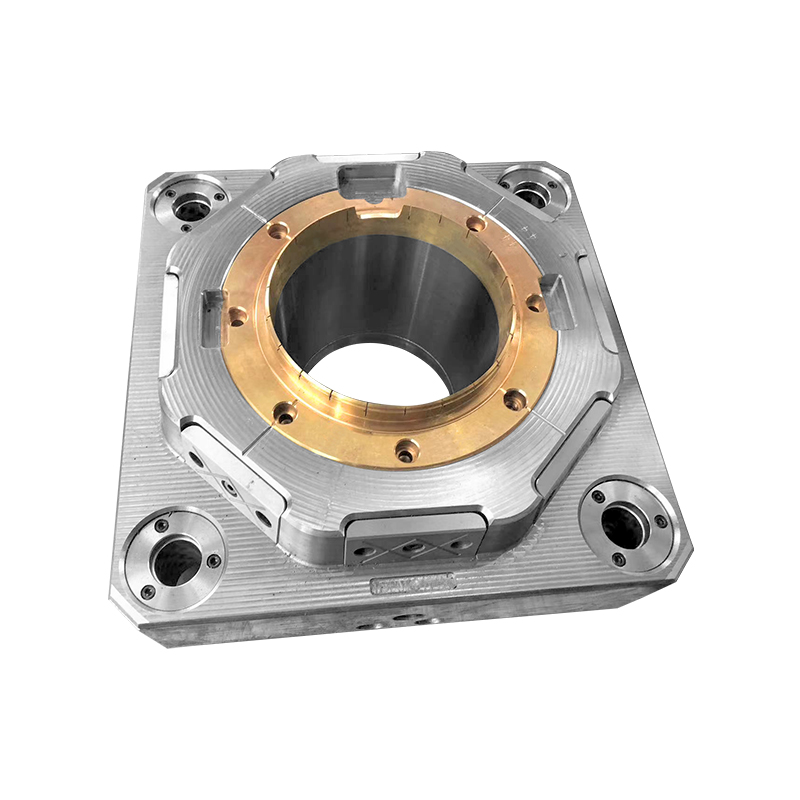
An anti-theft feature usually takes the form of a tamper-evident band, a breakaway tab, or a lid geometry that shows damage once opened. Each of these adds complexity to the mold, because the part must separate cleanly at the intended break point while staying strong everywhere else. Two points deserve early attention:
In-mold labeling places the printed film into the cavity before the plastic is injected, so the label becomes part of the container wall. This gives a durable printed surface, but it also means the mold must hold the label precisely during filling. Static charging, label curl, and cavity vacuum all affect placement. A supplier that controls these factors produces containers with even label edges and no trapped air, while one that does not produces wrinkles and misalignment that are visible to the end user. Buyers often ask for samples from a full production run rather than a hand-placed prototype, because label handling is where the two differ most.
IML tools are typically built for high-volume production, with multi-cavity layouts and automated label feeding. The configuration affects both output and cost. A higher cavity count reduces per-part cost but raises tooling investment and demands tighter process control. Stack molds can further increase output but add complexity to maintenance and label feeding. Matching the configuration to expected volume is a practical decision, and suppliers should explain the trade-offs clearly rather than defaulting to the highest cavity count. Maintenance access also matters, since IML tools have more moving parts and sensors than standard molds, making serviceability a long-term cost factor.
Trial runs for anti-theft containers typically focus on tamper band performance, label adhesion, and dimensional consistency between lid and base. Opening tests confirm that the band breaks at the intended point without tearing the rim, and closing tests confirm that the container seals before the band engages. Label adhesion is checked after filling and after chilled storage, since some films behave differently at low temperature. A supplier that documents trial results and explains adjustments gives buyers a clearer basis for approval.
Interest in IML anti-theft food container mould manufacturer services is likely to continue as food packaging seeks visible tamper evidence without extra assembly steps. Buyers are paying closer attention to supplier experience with specific label films and to how clearly a supplier communicates during tooling development. As packaging regulations and consumer expectations evolve, the ability to match tooling design to both labeling and tamper requirements is likely to remain the central question when selecting a supplier.
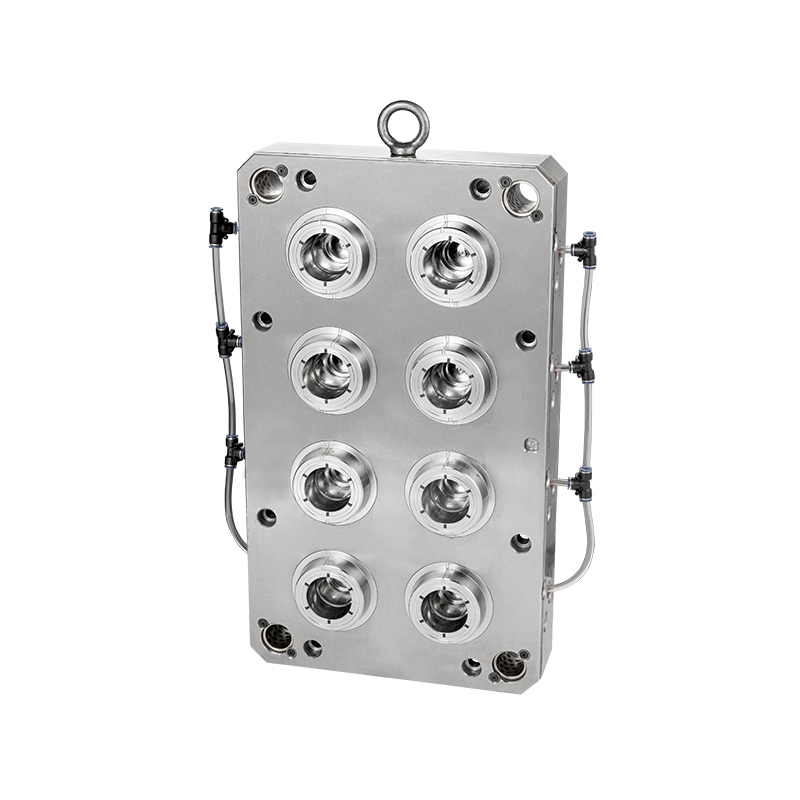
The Plastic Thin Space Cup Mould represents an innovation in the manufacturing o...
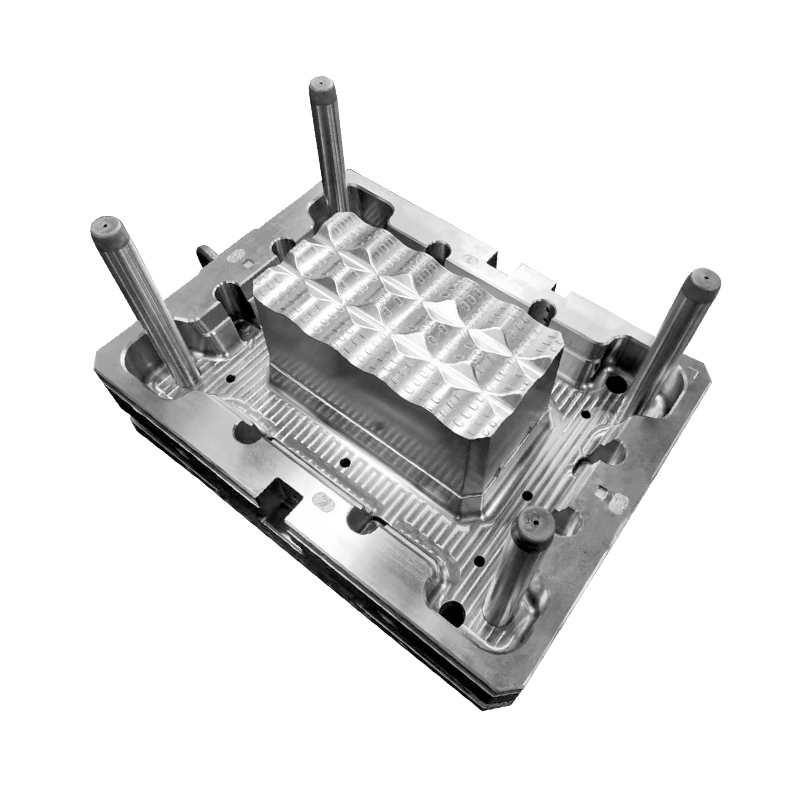
Our Food/Beverage Plastic Crate Mould is meticulously designed to meet the diver...
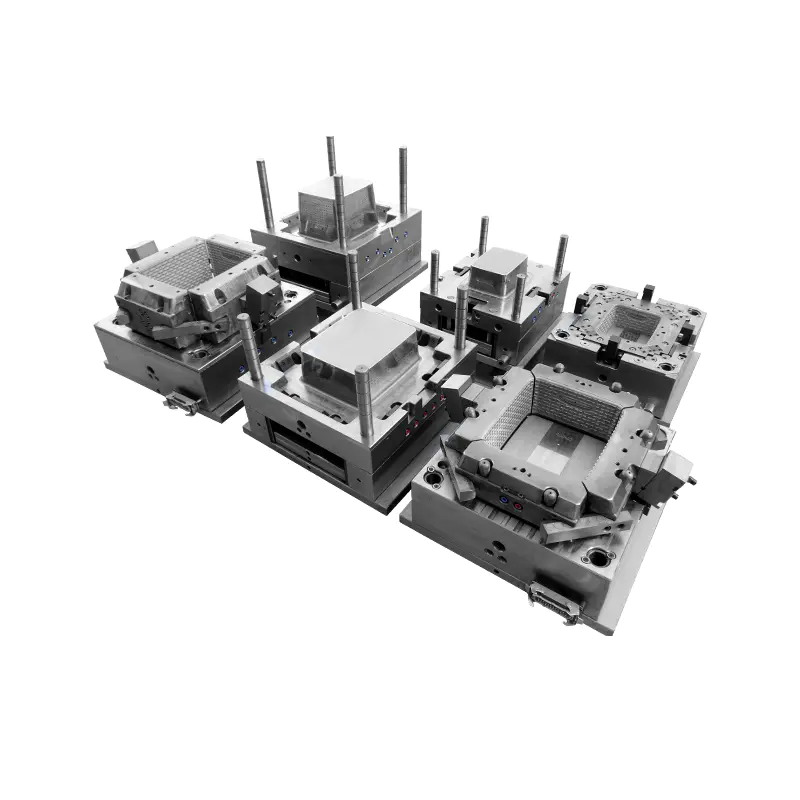
In the realm of plastic furniture storage solutions, our injection mould stands ...
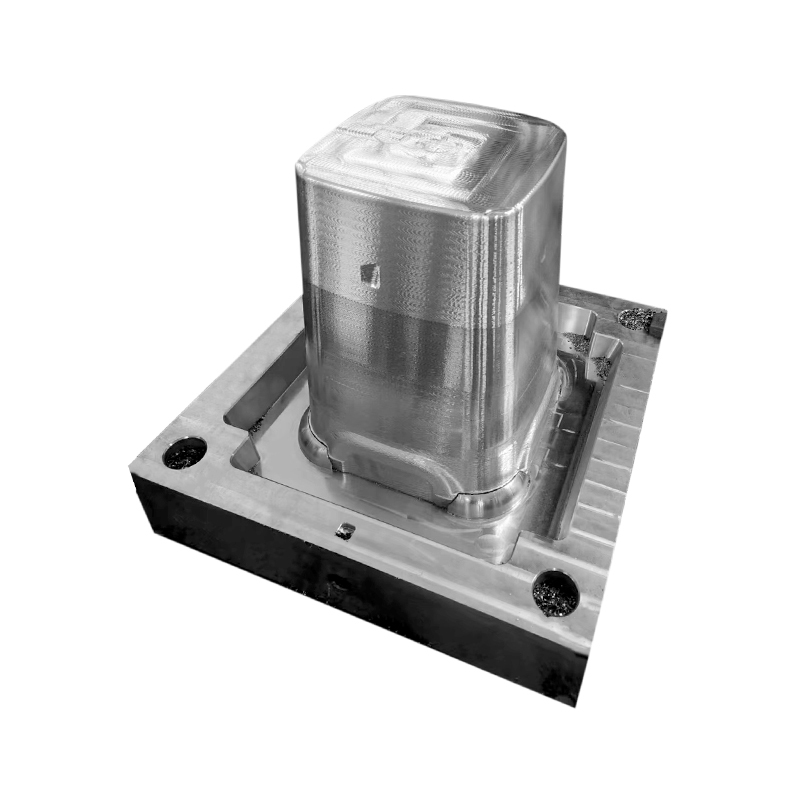
In the realm of contemporary furniture design, the Durable Plastic Rattan Stool ...
Taizhou Turnkey Mould Co., Ltd.
Phone: +86-15068654601
Email: [email protected]
Address: No.62 Zhao Feng Road, Huangyan, Taizhou, Zhejiang, China
Copyright © Taizhou Turnkey Mould Co., Ltd. All Rights Reserved.
