
 English
 Español
 عربى
The Plastic Thin Space Cup Mould represents an innovation in the manufacturing o...

-

+86-15068654601
-

No.62 Zhao Feng Road, Huangyan, Taizhou, Zhejiang, China
+86-15068654601
No.62 Zhao Feng Road, Huangyan, Taizhou, Zhejiang, China
Thin wall milk tea cup mould projects are gaining attention as beverage chains and packaging buyers look for cups that stay clear, hold their shape when filled, and come off the machine quickly. A thin wall milk tea cup mould has to fill a tall cavity with very little material in a short cycle, so clarity, wall uniformity, and cooling all have to be planned together. Interest spans takeaway drink packaging, dessert cups, and cold beverage containers, where a clean look and reliable stacking matter to both the shop and the customer.
Milk tea cups are usually judged on appearance first, so any haze, flow mark, or weld line shows up immediately. Clear resins are sensitive to shear and cooling rate, which means the gate and runner design directly affect how the cup looks. Two points deserve early attention:
A thin wall saves material, but it also makes the cup feel flexible, and a cup that squeezes too easily suggests poor quality to the customer. Ribs near the base, a rolled rim, and a slight taper all help the cup hold its shape without adding much weight. The rim deserves particular attention, since it is where the lid seals and where the customer's lips touch. A rim that is too thin deforms when the lid is pressed on, causing leaks; a rim that is too thick cools slowly and lengthens the cycle. Suppliers should explain how rim geometry was chosen and how it matches the lid design.
Cooling determines how fast a thin wall cup can be produced, and uneven cooling causes the cup to ovalize or stick on the core. Because the cup is tall and thin, cooling channels need to follow the wall closely, and the core side often needs separate attention because heat leaves the part through both surfaces. Baffles, bubblers, or conformal cooling can shorten cycles, but they add tooling cost. Suppliers should explain the cooling layout and whether the design allows later adjustment if cycle time or roundness proves different from the simulation. A tool with spare cooling capacity can be tuned down; a tool with too little is hard to fix.
Ejection is a common trouble point in tall thin parts, because a thin base flexes under ejector force. Air ejection or a stripper plate can reduce marks and distortion. Stacking features also matter in this category, since shops stack cups by the sleeve and a cup that nests too tightly is hard to separate during busy service, while one that nests too loosely takes up more counter space. Buyers often test samples by filling them with liquid, pressing on lids, and unstacking sleeves repeatedly to check how the features behave in real use.
Buyers comparing suppliers typically review samples for clarity, rim roundness, gate marks, and lid fit. Trial runs should measure cups from several cavities, since cavity-to-cavity variation is common in multi-cavity tools and shows up as inconsistent lid fit. Packaging and palletizing also deserve a look, because thin wall cups deform easily if sleeves are compressed during shipping.
Interest in thin wall milk tea cup mould projects is likely to continue as beverage chains expand and packaging seeks lighter cups with faster cycles. Designers are expected to keep refining melt path balance and cooling layouts, while buyers pay closer attention to how tools perform across all cavities rather than in a single sample. The category rewards simulation-led design and careful cooling rather than speed alone.
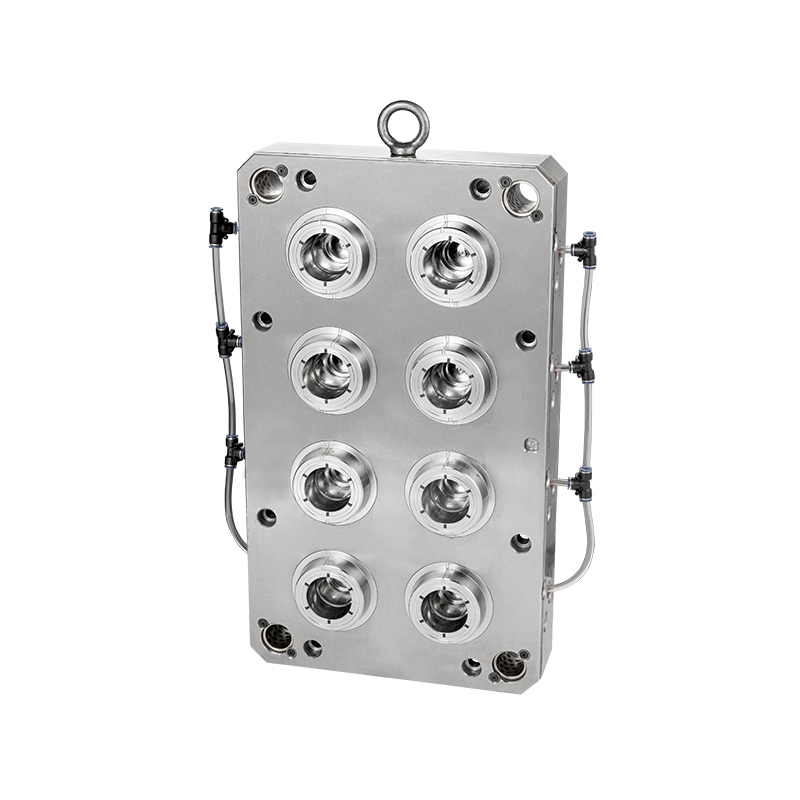
The Plastic Thin Space Cup Mould represents an innovation in the manufacturing o...
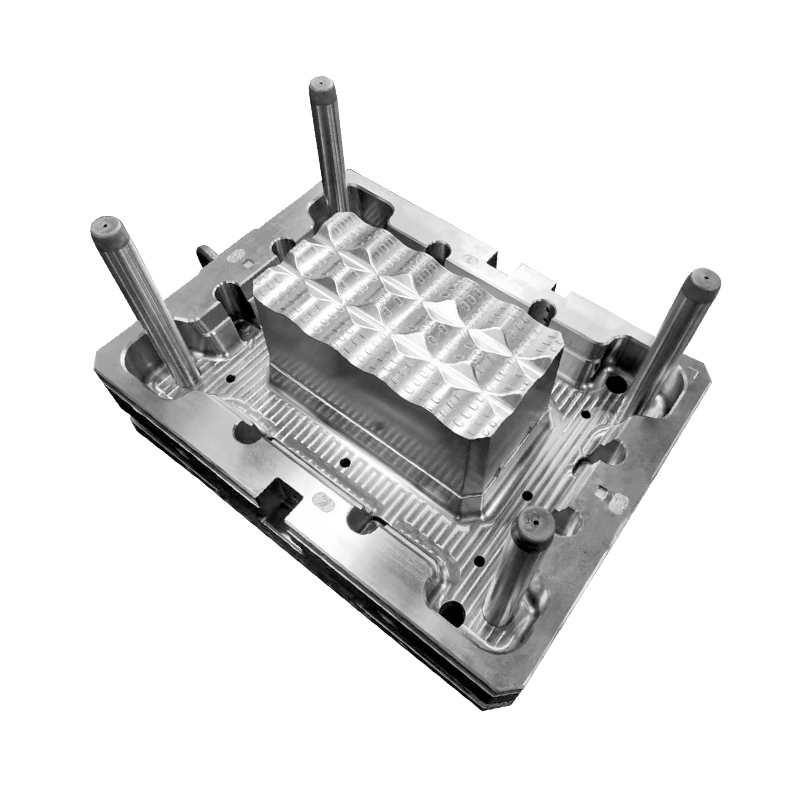
Our Food/Beverage Plastic Crate Mould is meticulously designed to meet the diver...
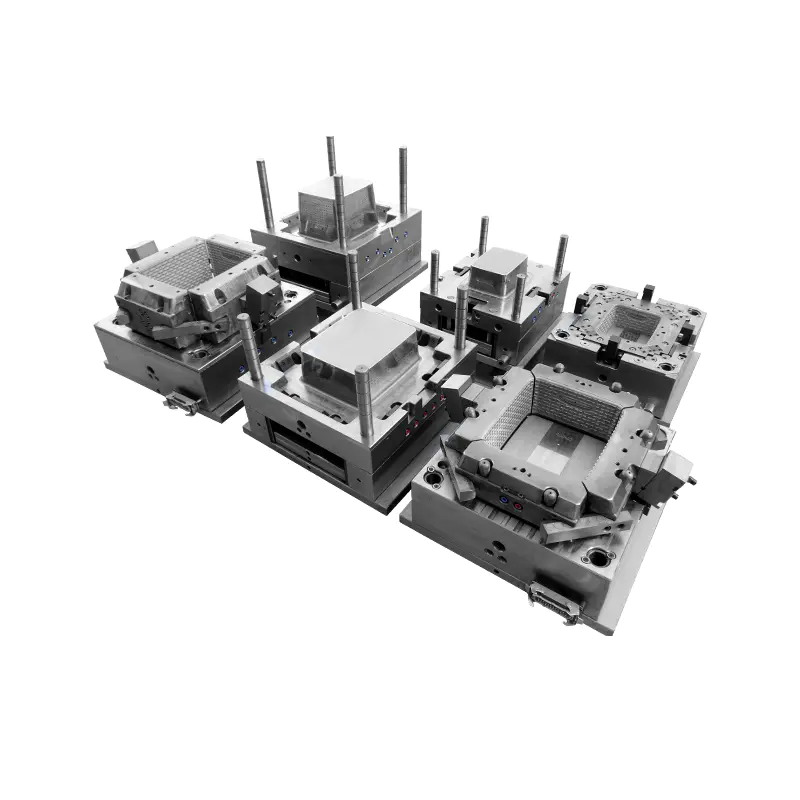
In the realm of plastic furniture storage solutions, our injection mould stands ...
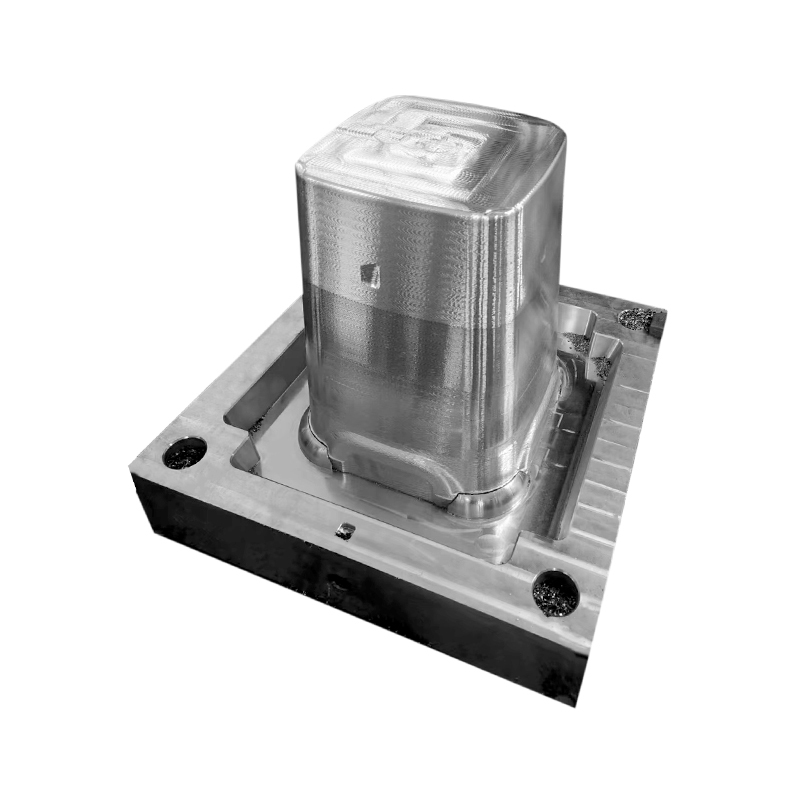
In the realm of contemporary furniture design, the Durable Plastic Rattan Stool ...
Taizhou Turnkey Mould Co., Ltd.
Phone: +86-15068654601
Email: [email protected]
Address: No.62 Zhao Feng Road, Huangyan, Taizhou, Zhejiang, China
Copyright © Taizhou Turnkey Mould Co., Ltd. All Rights Reserved.
