
 English
 Español
 عربى
عربىThe Plastic Thin Space Cup Mould represents an innovation in the manufacturing o...

-

+86-15068654601
-

No.62 Zhao Feng Road, Huangyan, Taizhou, Zhejiang, China
+86-15068654601
No.62 Zhao Feng Road, Huangyan, Taizhou, Zhejiang, China
A plastic bowl is a simple shape: a round cavity with a rim. A thin wall version uses less plastic, cools faster, and costs less to ship. The mould that makes it is a high-precision tool that fills the thin cavity before the melt freezes, cools it in seconds, and ejects it without warping. A plastic thin wall bowl mould is built for speed and consistency. For packaging producers, food container manufacturers, and any operation running high volumes of disposable or lightweight bowls, the mould is the difference between profit and scrap.
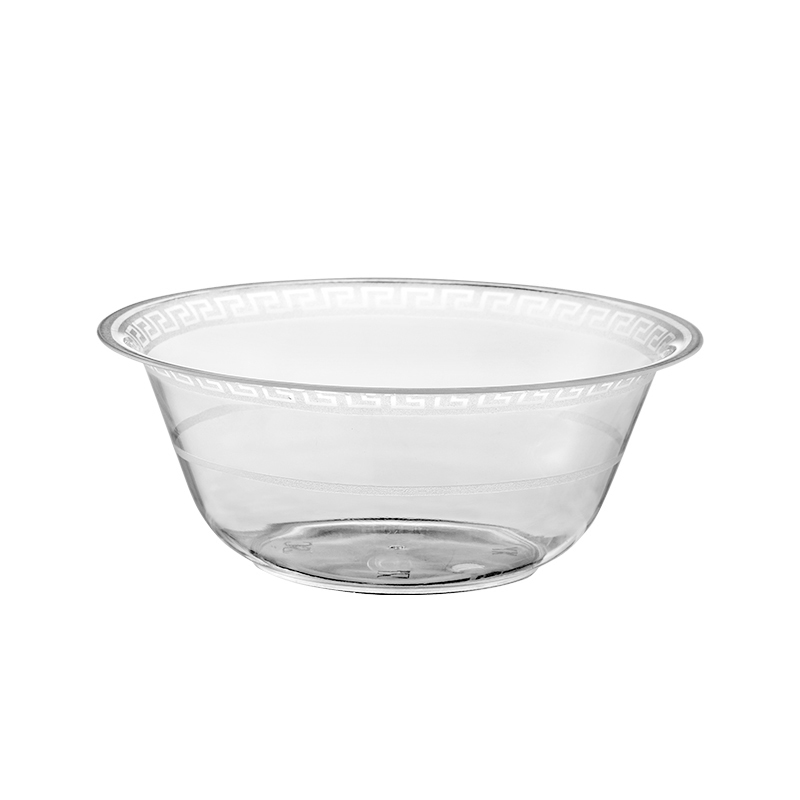
The wall is the challenge. A thin wall bowl has a wall thickness of a millimeter or less. The molten plastic has to fill the entire cavity before the flow front freezes. A plastic thin wall bowl mould uses a center gate or multiple gates to feed the melt into the cavity quickly and evenly.
The material is usually polypropylene or polystyrene. Both flow well when the temperature and the injection speed are right. A plastic thin wall bowl mould with a hot runner system keeps the melt at the right temperature right up to the gate.
The gate position matters for the fill. A center gate fills the bowl from the middle outward. An edge gate fills from the rim inward. A plastic thin wall bowl mould with the right gate for the bowl geometry fills without the short shots.
The mould has to cool the part fast. The thin wall helps, but the cooling channels have to pull the heat out of the cavity and the core. A plastic thin wall bowl mould with properly placed cooling channels hits the cycle time that makes the part profitable.
The core is the inside shape of the bowl. It is the hardest part to cool because it is enclosed by the part. A plastic thin wall bowl mould with a baffle or a bubbler in the core pulls the heat from the inside.
The cavity is the outside shape. The cooling channels run close to the cavity surface. A plastic thin wall bowl mould with balanced cooling on both sides produces a bowl that is flat and round, not warped.
The bowl has to come out of the mould without damage. The part is thin and flexible when hot. A plastic thin wall bowl mould uses a stripper ring or a ring of ejector pins to push the bowl off the core evenly.
The rim is the structural part. It carries the bowl through the filling and the stacking. A plastic thin wall bowl mould with a properly formed rim gives the bowl the stiffness it needs.
The draft angle on the sides lets the bowl release. Too little draft and the bowl sticks. A plastic thin wall bowl mould with the right draft releases the part without the hang-up.
Here is what a plastic thin wall bowl mould needs to deliver:
The food container producer uses the thin wall bowl for the takeout and the deli. The bowl stacks, ships, and holds the food. A plastic thin wall bowl mould runs the volume.
The disposable producer uses the bowl for the events and the catering. The bowl is light and cheap. A plastic thin wall bowl mould makes the piece price work.
The packaging producer uses the bowl for the product packaging. The bowl holds the product on the shelf. A plastic thin wall bowl mould with the right finish makes the package look clean.
The wall shorts because the melt froze before the cavity filled. The gate was too small or the injection too slow. A properly gated and properly run mould fills the cavity. The bowl warps because the cooling was uneven. Balanced cooling fixes it. The rim sinks because the packing was not enough. Proper packing fills the rim.
A plastic thin wall bowl mould is the tooling that makes the bowl that weighs almost nothing. The wall fills fast. The cooling runs quick. The part ejects clean. Choose a mould with the right gate, the right cooling, and the right ejection. The bowls will stack and the line will run. That is the point. That is what the thin wall mould is for.
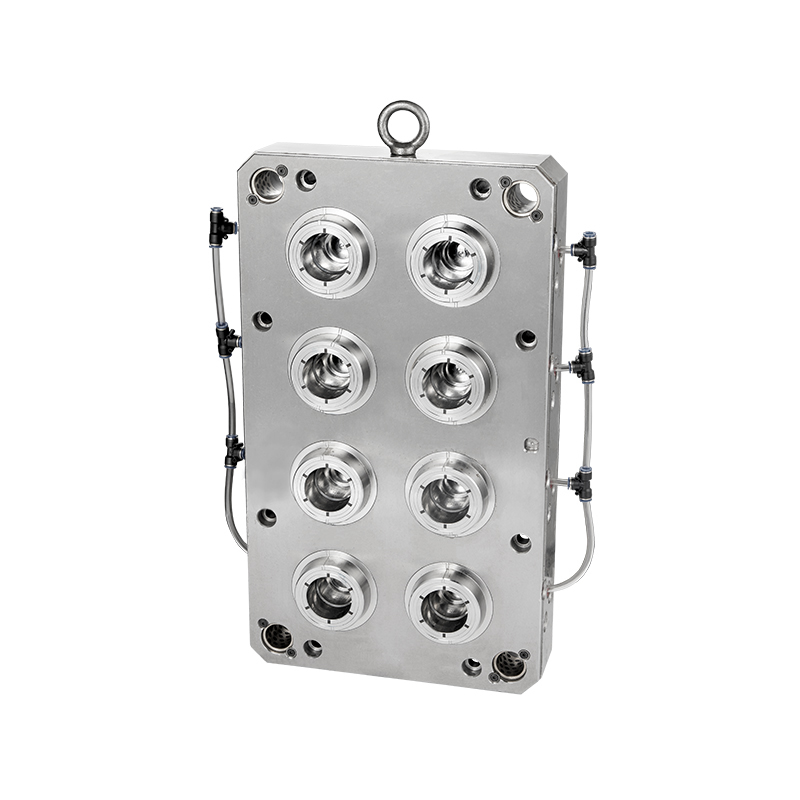
The Plastic Thin Space Cup Mould represents an innovation in the manufacturing o...
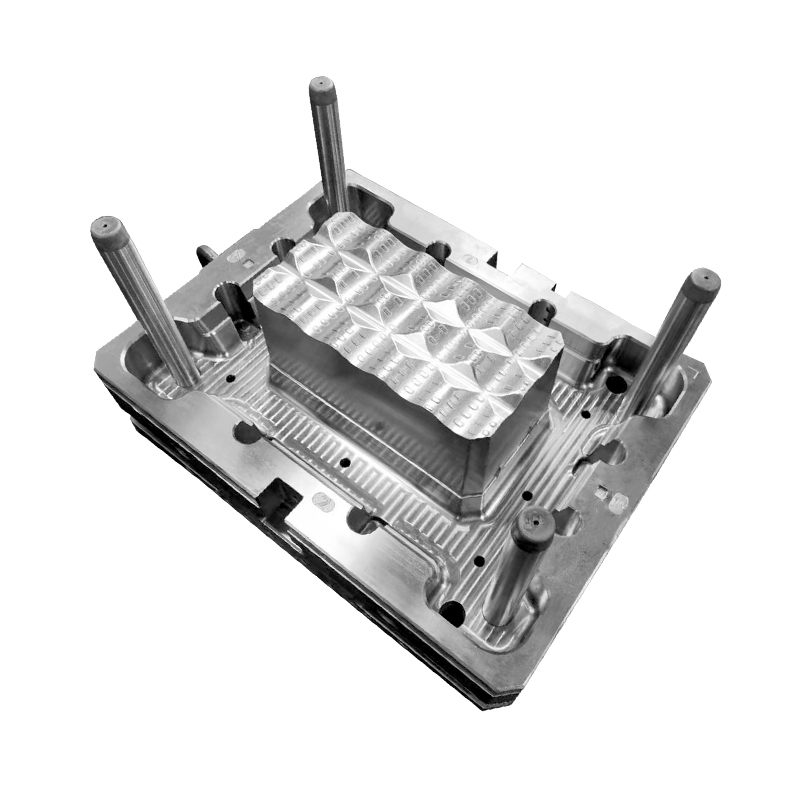
Our Food/Beverage Plastic Crate Mould is meticulously designed to meet the diver...
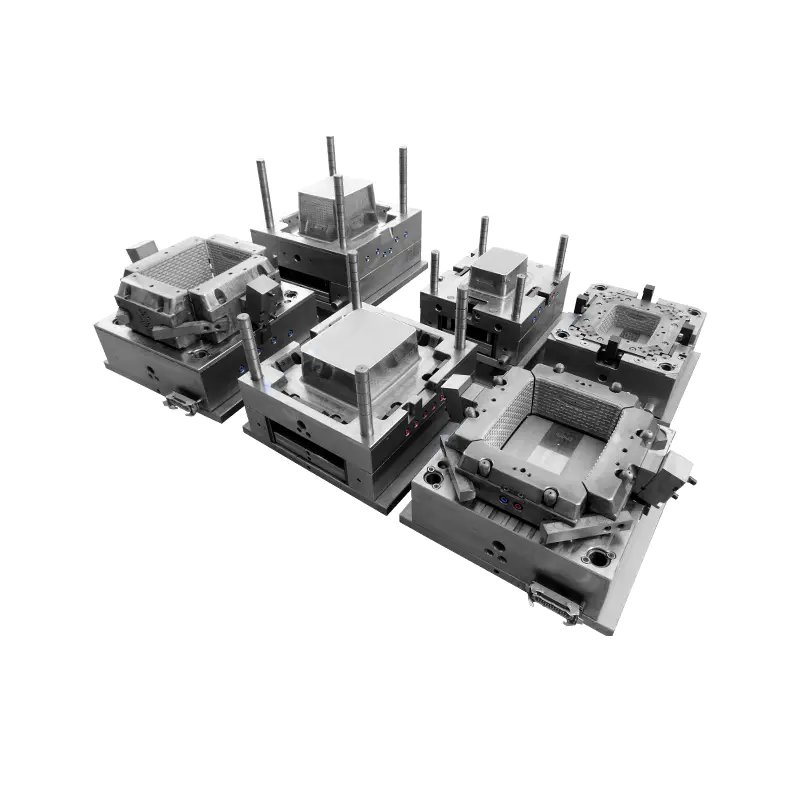
In the realm of plastic furniture storage solutions, our injection mould stands ...
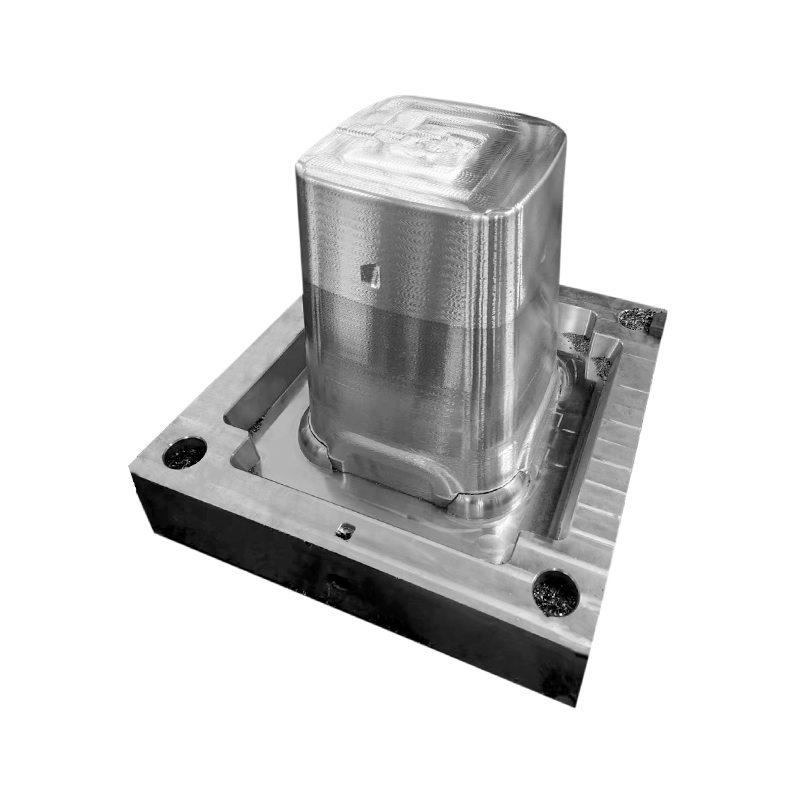
In the realm of contemporary furniture design, the Durable Plastic Rattan Stool ...
Taizhou Huangyan Edge Mould Co., Ltd.
Phone: +86-15068654601
Email: [email protected]
Address: No.62 Zhao Feng Road, Huangyan, Taizhou, Zhejiang, China
Copyright © Taizhou Huangyan Edge Mould Co., Ltd. All Rights Reserved.
