
 English
 Español
 عربى
عربىThe Plastic Thin Space Cup Mould represents an innovation in the manufacturing o...

-

+86-15068654601
-

No.62 Zhao Feng Road, Huangyan, Taizhou, Zhejiang, China
+86-15068654601
No.62 Zhao Feng Road, Huangyan, Taizhou, Zhejiang, China
A plastic chair looks simple. Four legs, a seat, a backrest. But the mold that makes it is a multi-ton steel tool that fills, cools, and ejects a complete chair in under a minute. A China plastic chair mould factory builds these large-format molds for furniture manufacturers across the global market. The mold has to produce a chair that is strong enough to hold a person, smooth enough to sit on, and stackable enough to ship efficiently. For chair producers and furniture brands sourcing tooling from China, the factory is the first quality gate.
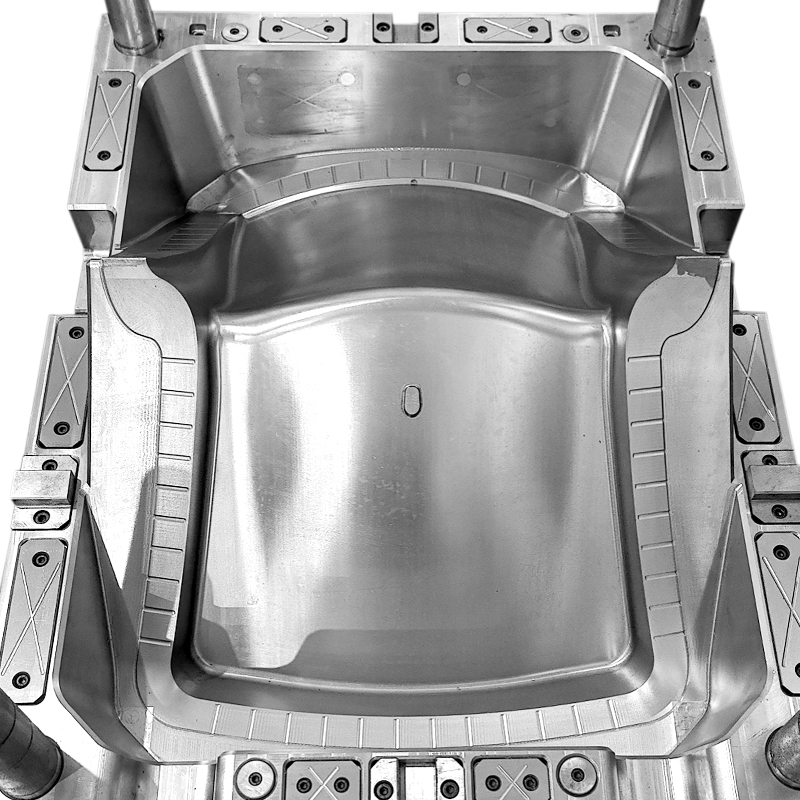
Polypropylene is the default material. Cheap, impact-resistant, fills the mold fast. But PP shrinks as it cools. A China plastic chair mould factory cuts the cavity larger than the finished chair, by the exact shrinkage factor. Get the number wrong and the chair comes out too small or the legs come out short.
Wall thickness is the design fight. Thick walls add strength but cost material and cycle time. Thin walls save both but flex under load. A China plastic chair mould factory runs the rib structure underneath the seat to put strength where the load lands without adding thickness everywhere. The ribs are the invisible engineering that keeps the chair from collapsing.
The seat center takes the many load. The leg roots take the many stress. A China plastic chair mould factory reinforces these areas in the mold design. The rest of the part stays thin.
The mold is not a solid block. It is two halves, core and cavity, with water channels running through them. When molten PP hits the steel, the heat has to go somewhere. Water carries it out. A China plastic chair mould factory drills channels close to the cavity surface, targeting the thick sections where heat pools.
The seat center is the problem. It is the thickest part of the chair. It holds heat. A mold that does not cool the seat center fast enough runs slow. A China plastic chair mould factory that gets the cooling right takes seconds off the cycle. Seconds per cycle times a million cycles is real money.
The chair comes out of the mold hot. It is still soft. The ejection system pushes it off the core. Ejector pins land on the ribs and the underside, never on the sitting surface. A China plastic chair mould factory hides the marks where nobody looks.
Plastic chairs ship stacked. One nests into the next. If the draft angle is wrong, the chairs jam. The warehouse worker has to pry them apart. A China plastic chair mould factory designs the nesting geometry so the chairs separate with a light pull.
The stacking lugs are molded into the chair. When one chair sits inside another, the lugs rest on the rim of the lower chair. Without them, the chairs wedge together and damage each other in transit. A China plastic chair mould factory machines these lugs to the right height and position.
The chair also has to hold its rated weight. A standard chair is rated for 120 to 150 kilos. The rating is not a sticker. It is the wall thickness, the rib design, and the material grade working together. A China plastic chair mould factory builds for the rating the brand advertises.
Here is what matters on a chair mold:
Plastic chairs go to schools, cafeterias, event halls, offices, and a hundred million households. The mold runs day and night. A China plastic chair mould factory that builds a mold for a million cycles keeps the chair producer in business.
The export market is the big one. A China plastic chair mould factory sends molds to furniture manufacturers in Africa, Southeast Asia, the Middle East, and Latin America. The chair is the same. The brand changes.
The chair comes out warped. One side cooled faster than the other. The chair rocks on a flat floor. A China plastic chair mould factory with balanced cooling prevents this. The legs short shot because the melt froze before reaching the foot. Gate position and melt temperature fix it. The chair sticks and the ejector pins punch through the seat. Draft angle and surface finish prevent it.
A China plastic chair mould factory builds the tooling that makes the chair you sit on. The mold has to fill, cool, and eject, every forty seconds, every day, for years. Choose a factory that gets the shrinkage right, cools the thick sections, and designs the stack. The chairs will hold weight, stack straight, and ship without damage. That is what the mold is for.
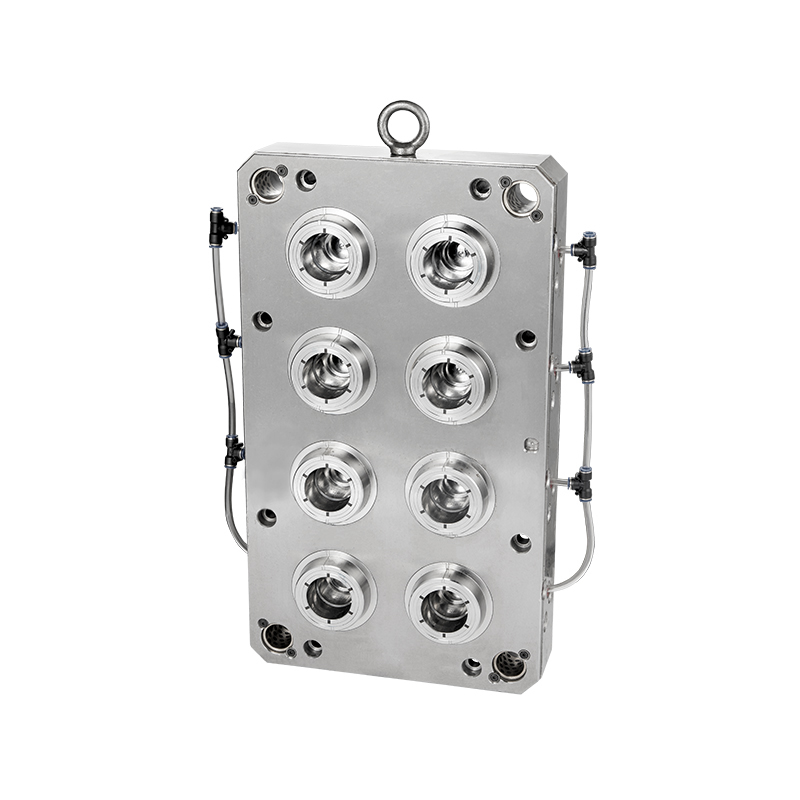
The Plastic Thin Space Cup Mould represents an innovation in the manufacturing o...
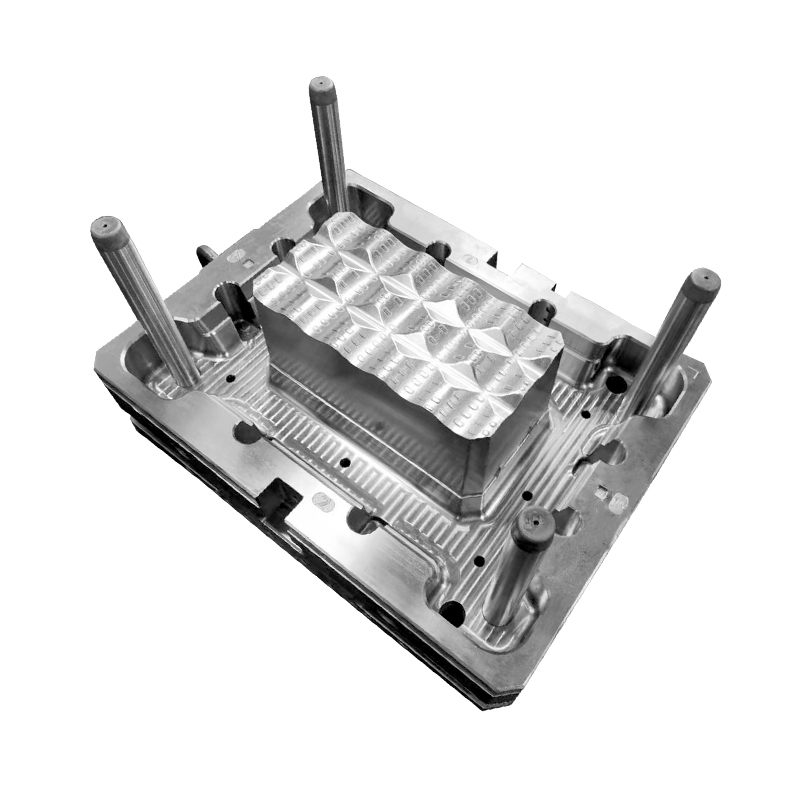
Our Food/Beverage Plastic Crate Mould is meticulously designed to meet the diver...
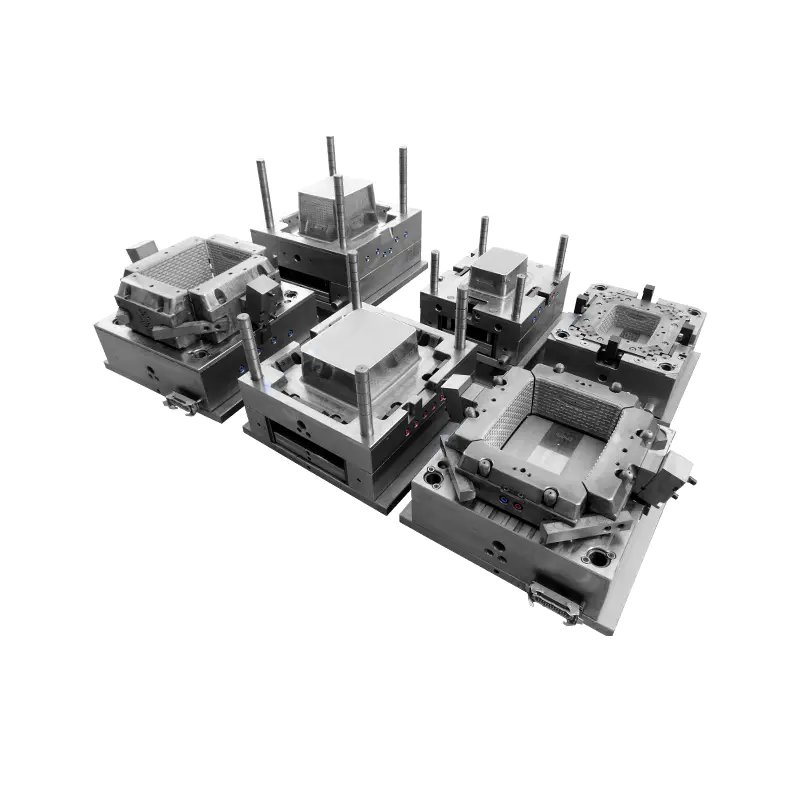
In the realm of plastic furniture storage solutions, our injection mould stands ...
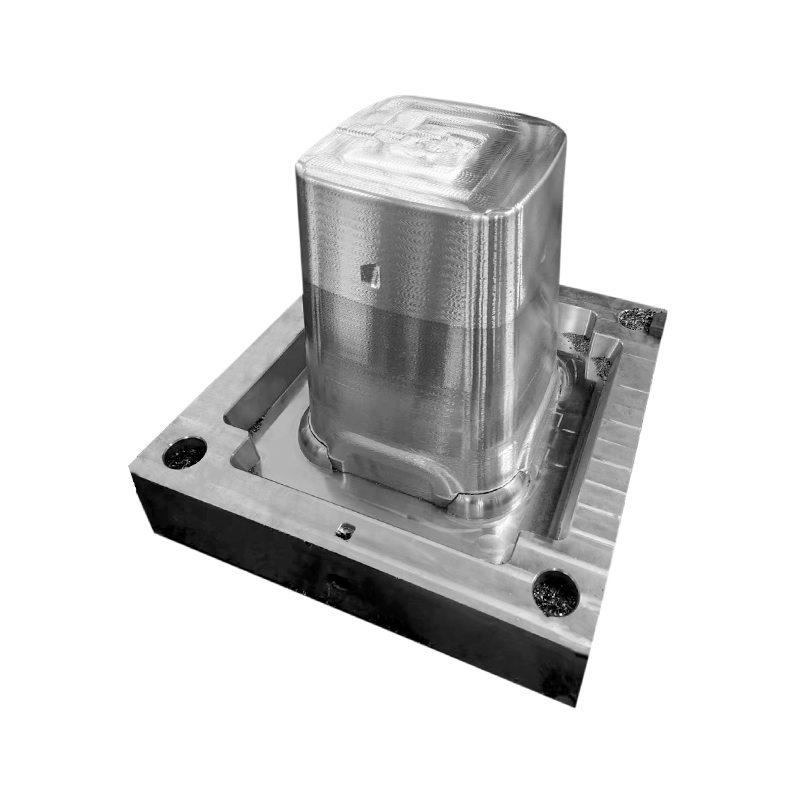
In the realm of contemporary furniture design, the Durable Plastic Rattan Stool ...
Taizhou Turnkey Mould Co., Ltd.
Phone: +86-15068654601
Email: [email protected]
Address: No.62 Zhao Feng Road, Huangyan, Taizhou, Zhejiang, China
Copyright © Taizhou Turnkey Mould Co., Ltd. All Rights Reserved.
