
 English
 Español
 عربى
عربىThe Plastic Thin Space Cup Mould represents an innovation in the manufacturing o...

-

+86-15068654601
-

No.62 Zhao Feng Road, Huangyan, Taizhou, Zhejiang, China
+86-15068654601
No.62 Zhao Feng Road, Huangyan, Taizhou, Zhejiang, China
A plastic pail looks simple. A tapered cylinder with a handle. But the mould that produces it has to fill a deep, thin-walled cavity without short shots, release the part without dragging, and form the handle attachments so they survive a full bucket dropped onto concrete. A pail bucket mould factory lives with the reality that these moulds run millions of cycles in dirty, high-speed production lines. The difference between a tool that needs constant nursing and one that just runs is in the gate location, the cooling layout, and the way the handle lugs are formed.
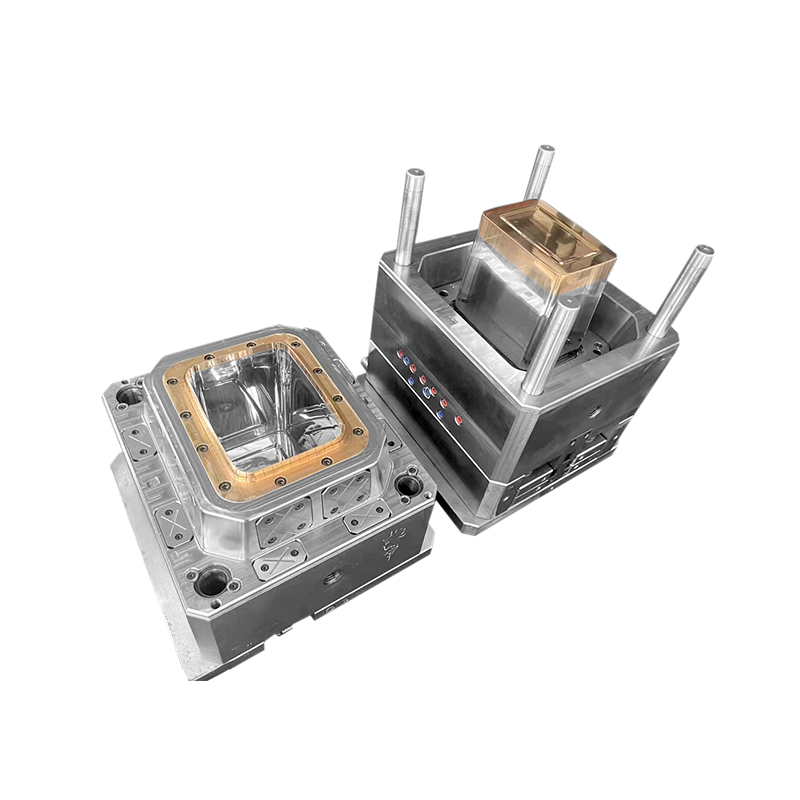
Pails fill from the bottom, usually through a hot-runner drop into the centre of the base. That central gate pushes the melt radially outward and upward, creating an even flow front that reaches the rim at the same time all around. An off-centre gate fills one side first. The flow front cools unevenly. The part warps.
The gate itself leaves a small witness mark on the base. For a food-grade pail, that mark needs to be smooth, with no stringing or sharp edges that trap product. A valve gate shuts off cleanly and leaves a flush surface. A thermal gate leaves a small nub. Either can work. A pail bucket mould factory should recommend the gate type based on the resin and the end use, not default to one or the other.
Key points to check:
Pails have walls that taper from a few millimetres at the base to a thinner section at the rim. Uneven cooling warps the bucket and makes stacking hard. The core side of the mould—the inside of the pail—is harder to cool because it is deep and narrow. Baffled water channels or a bubbler tube that shoots coolant up the centre of the core extracts heat from the base of the core, where it is hottest. A pail bucket mould factory that drills simple straight lines and calls it done leaves the core hot at the blind end. Cycle time stretches.
The cavity side needs uniform cooling channels that follow the taper. Conformal cooling, with channels machined close to the cavity surface, pulls heat out faster and more evenly than gun-drilled straight lines buried deep in the steel. Conformal cooling costs more to build. It pays back in shorter cycle time and flatter parts.
What to ask about cooling:
The handle on a plastic pail swings from lugs moulded into the sidewall near the rim. Those lugs are thick sections relative to the wall. They hold a steel wire handle under the full weight of a filled pail. The lug geometry has to fill completely, which means adequate venting at the lug tip where air traps form. A pail bucket mould factory that does not vent the lug cavities properly gets short shots at the handle attachment point. A pail with an underfilled lug fails the lift test.
The stacking shoulder—the step near the rim where one pail rests inside another—needs enough draft to release but enough interference to prevent nesting too tightly. Two pails jammed together slow down a filling line. A pail bucket mould factory that machines the stacking step with a precise clearance and polishes the surfaces releases pails that separate easily.
Critical details:
A deep pail needs a robust ejection system. A stripper ring that pushes on the full circumference of the rim releases the part evenly and without distortion. Ejector pins on a deep bucket can push through the thin wall or leave white stress marks. The stripper ring needs to be timed so it moves with the core during mould opening, then activates at the right stroke to push the pail off. A pail bucket mould factory that gets this timing wrong ships a mould where the pail sticks to the core every few cycles, bringing the line down.
Mould flow report covering fill time, weld line position, and sink prediction at the handle lugs
Pail bucket moulds wear. The gate area sees the highest thermal and mechanical stress. The stripper ring guide pins need regular lubrication and eventual replacement. A pail bucket mould factory that stocks spare cores, cavities, gate inserts, and stripper components supports a mould for its full production life. One that treats each mould as a one-off project will be slow to supply spares when a core gets damaged in the press.
Ask about spare parts inventory and lead times before placing the order. The answer tells you whether the factory expects to stand behind its steel.
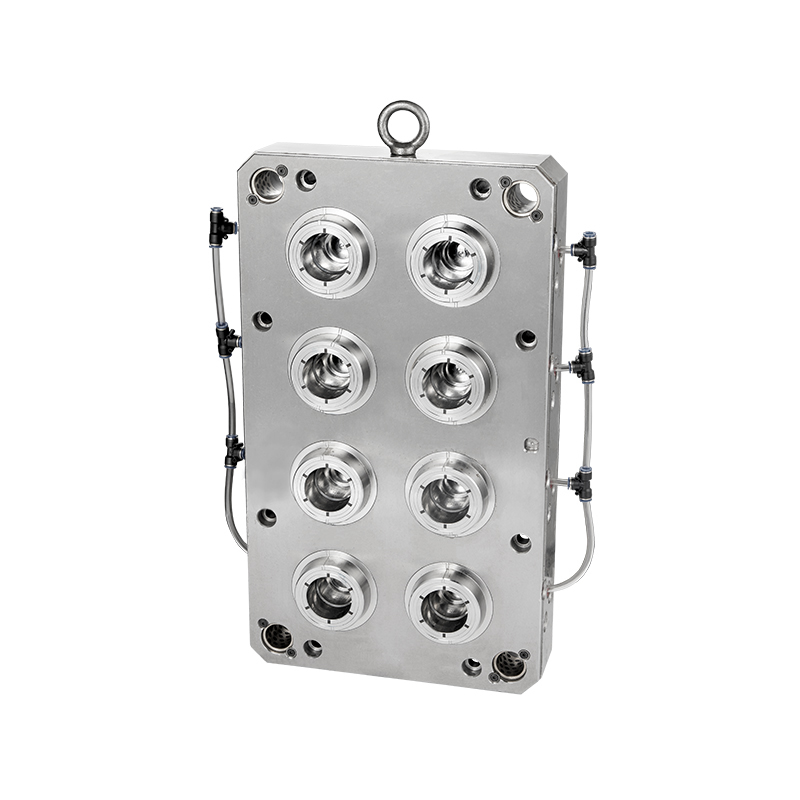
The Plastic Thin Space Cup Mould represents an innovation in the manufacturing o...
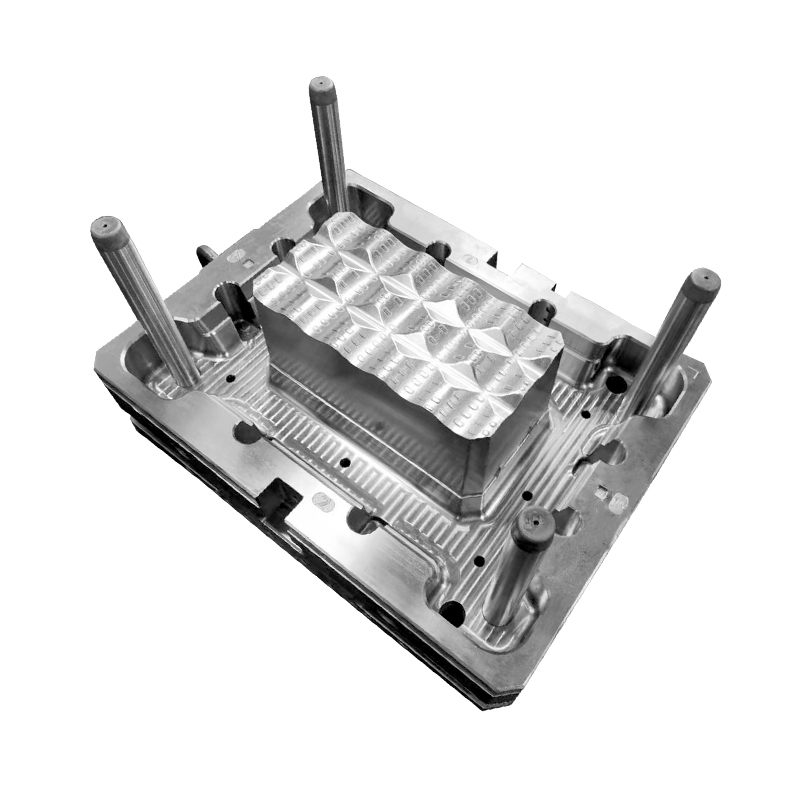
Our Food/Beverage Plastic Crate Mould is meticulously designed to meet the diver...
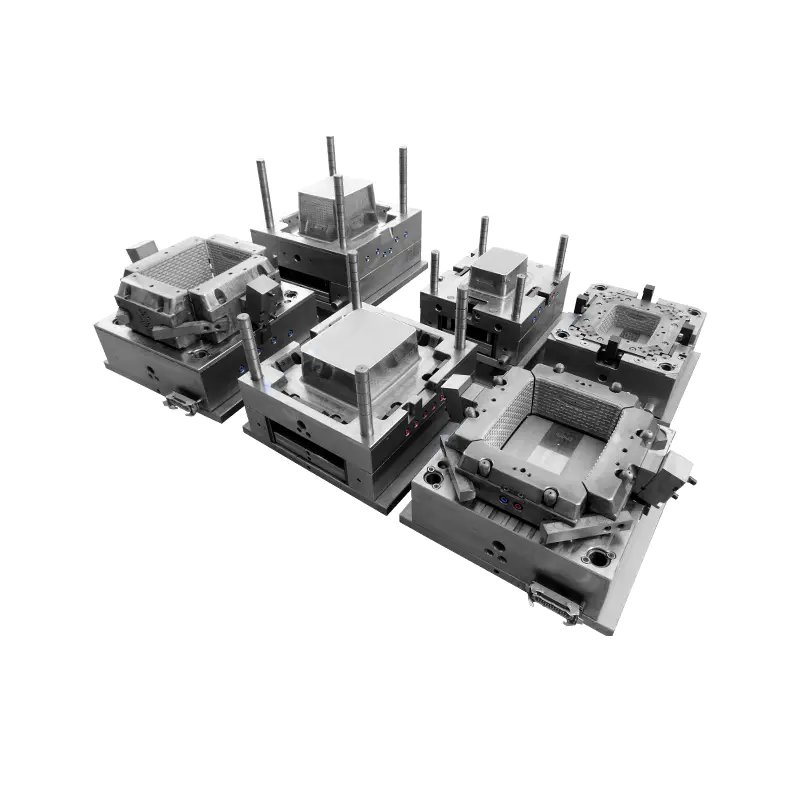
In the realm of plastic furniture storage solutions, our injection mould stands ...
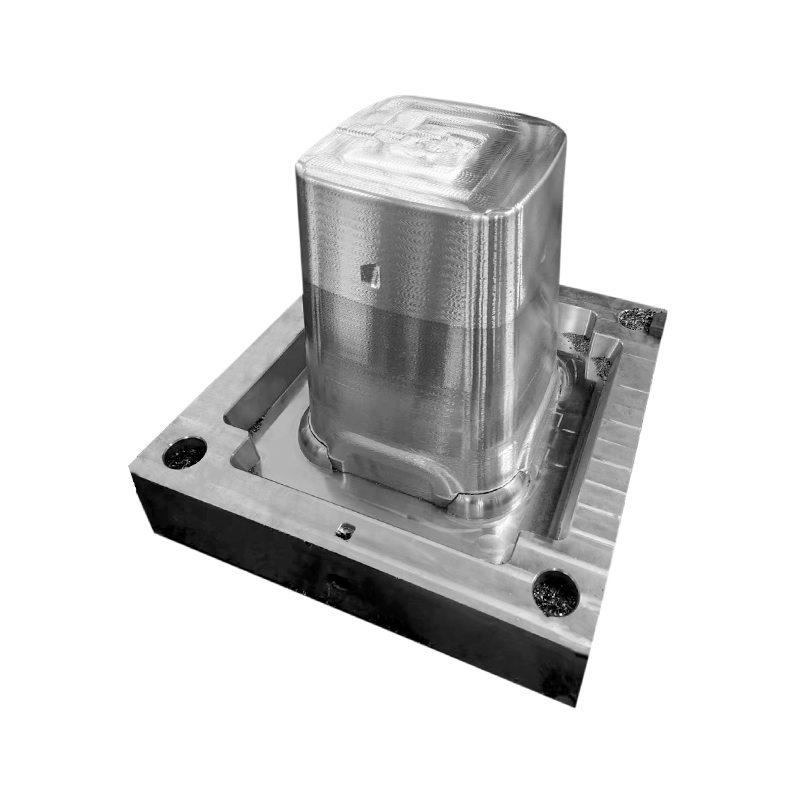
In the realm of contemporary furniture design, the Durable Plastic Rattan Stool ...
Taizhou Huangyan Edge Mould Co., Ltd.
Phone: +86-15068654601
Email: [email protected]
Address: No.62 Zhao Feng Road, Huangyan, Taizhou, Zhejiang, China
Copyright © Taizhou Huangyan Edge Mould Co., Ltd. All Rights Reserved.
