
 English
 Español
 عربى
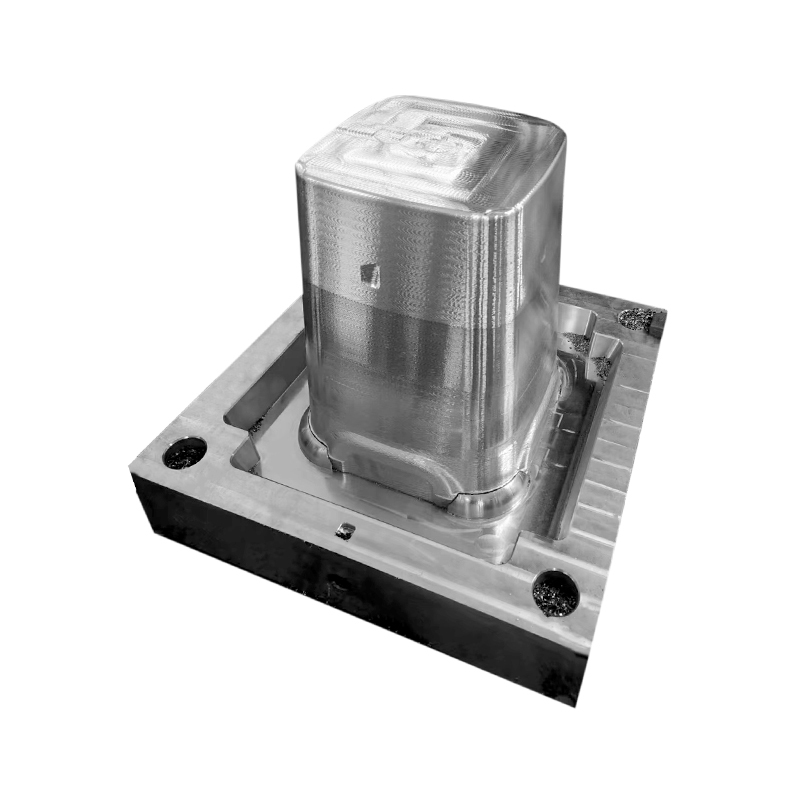
The Plastic Thin Space Cup Mould represents an innovation in the manufacturing o...

-

+86-15068654601
-

No.62 Zhao Feng Road, Huangyan, Taizhou, Zhejiang, China
+86-15068654601
No.62 Zhao Feng Road, Huangyan, Taizhou, Zhejiang, China
A milk tea cup is a thin plastic shell, injection molded in seconds, weighing a few grams. It holds the cold drink, the condensation beads on the outside, and the sealing machine presses the film onto the rim. The wall is under a millimeter. The cup has to be cheap enough to produce by the million and rigid enough to stack and seal. The thin wall milk tea cup mould fills the thin cavity before the melt freezes, cools it in seconds, and ejects the cup without cracking the rim.
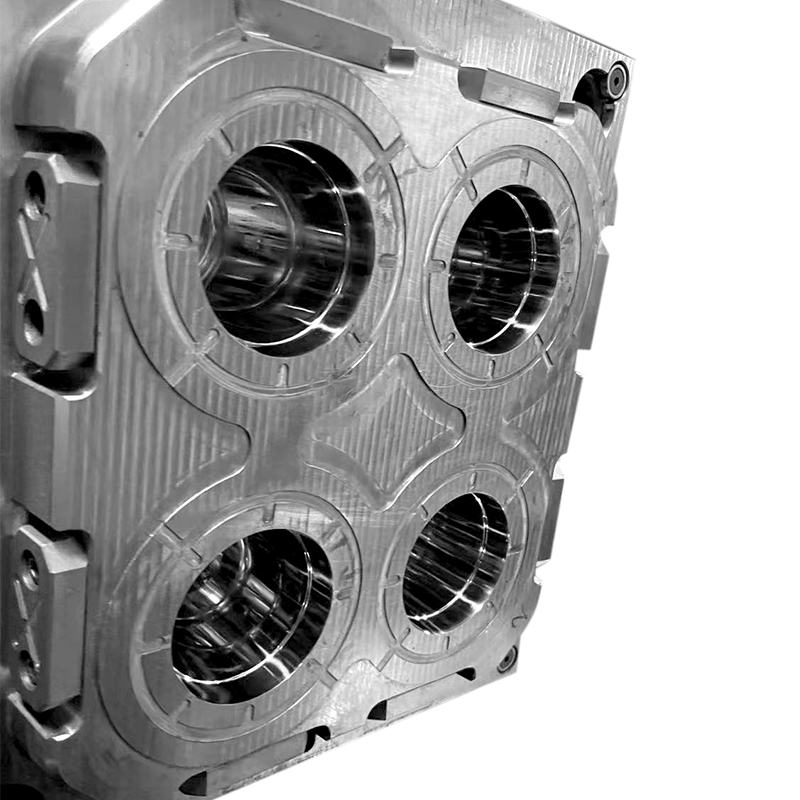
The molten plastic enters the cavity and starts to freeze on contact with the steel. The thin wall gives the melt almost no time to fill the cup before the flow front solidifies. The gate and the runner have to deliver the melt fast. The injection pressure is high and the mold has to hold the clamping force without the flash.
A thin wall milk tea cup mould sizes the gate for the fill rate and the material. The gate that is too small leaves the short shot. The gate that is too large leaves the heavy vestige that has to be trimmed.
The core forms the inside of the cup. It sits in the middle of the part and the heat has nowhere to go. The cavity side is easier to cool because the channels can be drilled close to the surface. The core needs the internal cooling, the bubbler, or the spiral baffle, to pull the heat from the center.
A thin wall milk tea cup mould that cools the core properly hits the cycle time. The cup that comes out of the poorly cooled mold warps at the rim and the seal fails.
The cup seals with the film. The rim is the sealing surface. It has to be round and flat. The thin wall makes the rim the weakest part of the part. The ejection has to push on the rim without deforming it.
A thin wall milk tea cup mould uses the stripper ring or the plate that pushes the cup off the core evenly. The ejector pins on the base would deform the thin bottom. The stripper ring on the rim releases the cup without the distortion.
The cups stack. The base of one cup fits into the rim of the next. A thin wall milk tea cup mould machines the stacking geometry so the cups nest without jamming. The cup also has to fit the sealing machine and the caddy trays that hold the multiple cups.
Here is what a thin wall milk tea cup mould has to deliver:
The bubble tea chain orders the cups by the million. The cup has to match the lid and the sealing machine. The packaging converter runs the mold for the cup suppliers. The multi-cavity mold makes the volume work. The private label supplier uses the mold for the custom cups.
The rim warps because the core cooling was not enough. The cup sticks because the draft was too small or the core surface was too rough. The rim cracks during the ejection because the stripper ring was not aligned. The wall shorts because the gate was too small.
A thin wall milk tea cup mould builds the tooling behind the cup on the counter. The cavity fills fast. The core cools. The rim stays round. Choose a manufacturer that controls the fill and the cooling.
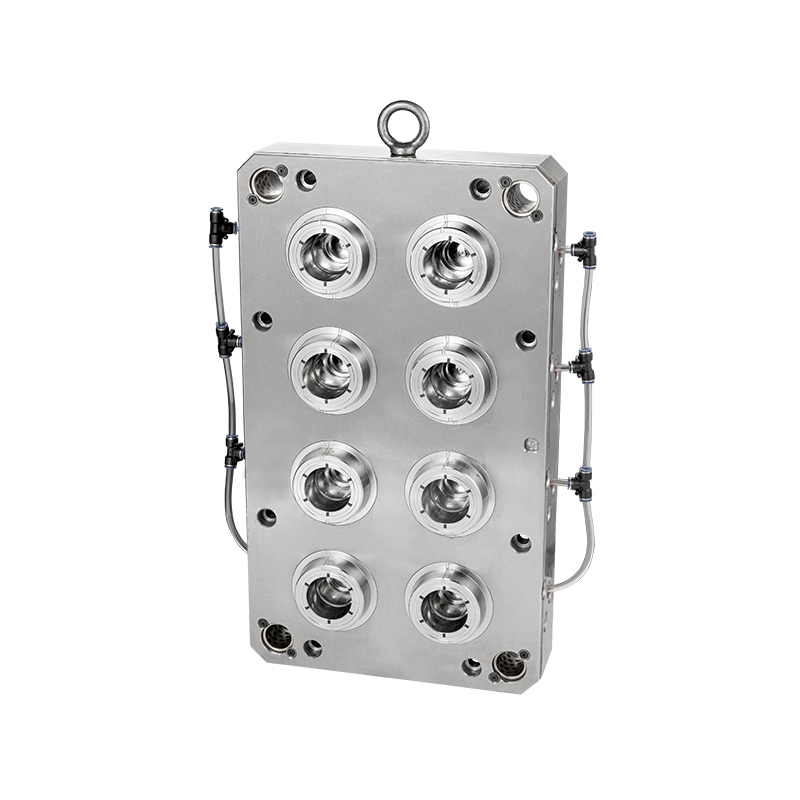
The Plastic Thin Space Cup Mould represents an innovation in the manufacturing o...
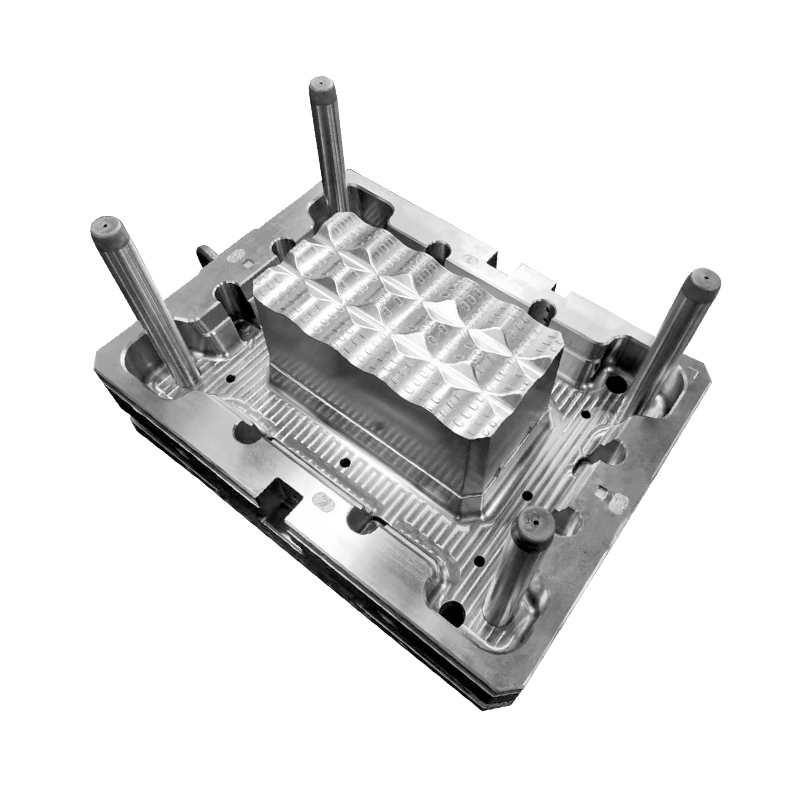
Our Food/Beverage Plastic Crate Mould is meticulously designed to meet the diver...
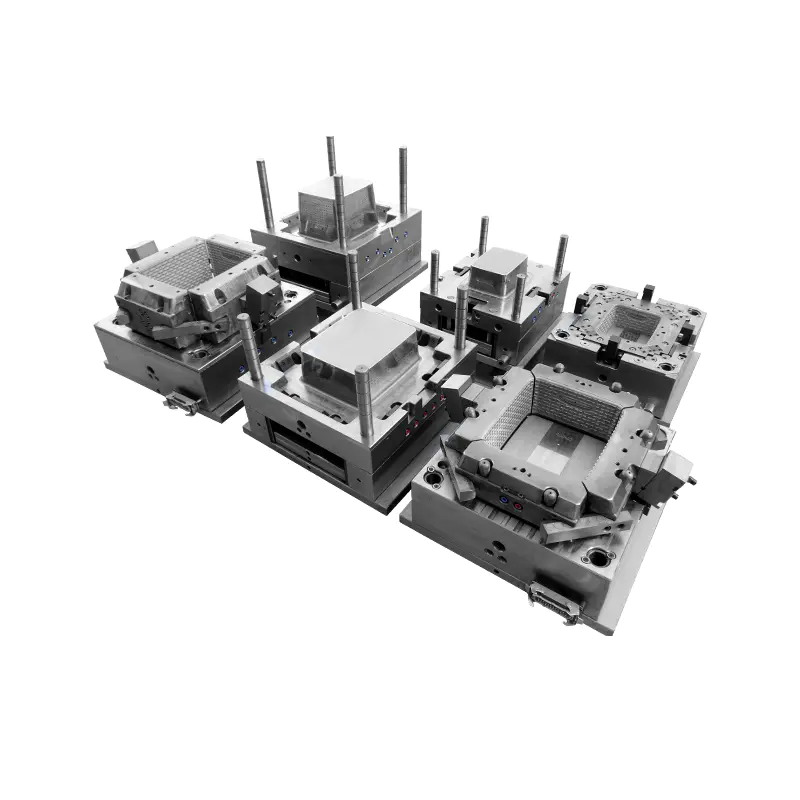
In the realm of plastic furniture storage solutions, our injection mould stands ...
In the realm of contemporary furniture design, the Durable Plastic Rattan Stool ...
Taizhou Turnkey Mould Co., Ltd.
Phone: +86-15068654601
Email: [email protected]
Address: No.62 Zhao Feng Road, Huangyan, Taizhou, Zhejiang, China
Copyright © Taizhou Turnkey Mould Co., Ltd. All Rights Reserved.
