
 English
 Español
 عربى
عربىThe Plastic Thin Space Cup Mould represents an innovation in the manufacturing o...

-

+86-15068654601
-

No.62 Zhao Feng Road, Huangyan, Taizhou, Zhejiang, China
+86-15068654601
No.62 Zhao Feng Road, Huangyan, Taizhou, Zhejiang, China
Multi-cavity cutlery moulds are widely used in the production of plastic forks, spoons, and knives because they significantly improve output and reduce per-unit costs. However, the design and manufacturing process also involves certain shortcomings that affect performance and cost-effectiveness.
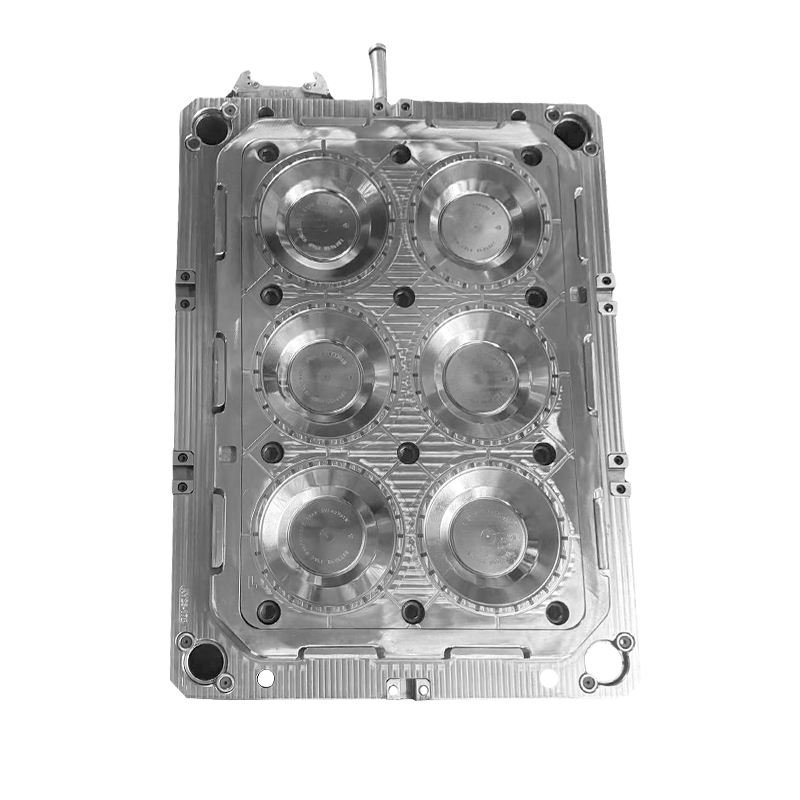
A primary drawback is the high initial investment. Multi-cavity moulds require complex tooling, precise machining, and uniform cavity distribution. The cost of manufacturing and maintaining these moulds is higher than that of single-cavity moulds. For small-scale production or frequent design changes, the investment may not be economically justified.
Because multiple cavities are filled simultaneously, maintaining uniform melt flow and pressure distribution is challenging. If any cavity receives insufficient material, it may produce short shots, surface defects, or incomplete cutlery. In addition, any slight imbalance in cooling or gate design can bring about warpage or inconsistent dimensions.
Maintenance is also more complex. When one cavity is damaged or worn, the entire mould may require repair or replacement, causing production downtime. The complexity of internal cooling channels and runners makes maintenance more time-consuming and expensive.
Finally, multi-cavity moulds often require larger injection molding machines with higher clamping force. This increases energy consumption and operational costs compared with smaller moulds.
To understand multi-cavity cutlery moulds correctly, it is important to view them as a system designed for high-volume production. The following points clarify their purpose and operational characteristics:
Designed for High Output
Multi-cavity moulds are intended to increase production capacity by forming several cutlery pieces in one cycle. This is beneficial for mass production where large volumes are required.
Requires Balanced Flow and Pressure
Uniform material distribution is essential. The runner system, gate design, and cavity layout must be optimized to ensure each cavity fills evenly.
Higher Tooling Precision
Because the cutlery pieces must be identical, the mould must be manufactured with high precision. Any deviation can result in dimensional inconsistency.
Cooling and Warpage Control Are Critical
Uneven cooling can cause warpage, which affects the functionality and appearance of cutlery. Proper cooling channel design is necessary for consistent results.
Higher Machine and Energy Requirements
Multi-cavity moulds typically require higher clamping force and injection capacity, which means larger machines and higher energy consumption.
Maintenance Must Be Planned
Since multiple cavities are involved, maintenance schedules and inspection routines are more important to avoid unexpected downtime.
The design of multi-cavity cutlery moulds focuses on balancing efficiency and quality. The runner system is a central design element. Common designs include hot runner systems and cold runner systems. Hot runner systems reduce material waste and improve cycle time, but they require more complex control and higher initial costs. Cold runner systems are simpler and less expensive but produce runner scrap that must be recycled or disposed of.
Gate location is also crucial. The gate must be positioned to ensure uniform filling and minimize weld lines, which can weaken the product. In cutlery moulds, gates are often placed at the thicker sections of the handle to promote stable flow. The cavity layout must also consider the mould's overall balance and the ability to remove parts efficiently.
The mould base must be strong enough to withstand high clamping forces. Because multiple cavities increase the total injection pressure, the mould structure must prevent distortion and maintain alignment over long production runs.
Production management for multi-cavity cutlery moulds requires systematic control of process parameters. Injection speed, holding pressure, and cooling time must be optimized to ensure consistent part quality. Because multiple cavities are processed simultaneously, even small changes in material temperature or injection pressure can affect the entire batch.
Quality inspection is typically conducted at multiple stages, including visual checks for surface defects, dimensional measurement, and strength testing. Automated inspection systems may be used in high-volume production to detect defects early and reduce scrap.
Maintenance is also essential. Regular cleaning of the runner system, inspection of cavity surfaces, and replacement of worn components help maintain consistent output. Proper maintenance planning reduces the risk of sudden downtime and improves the mould's service life.
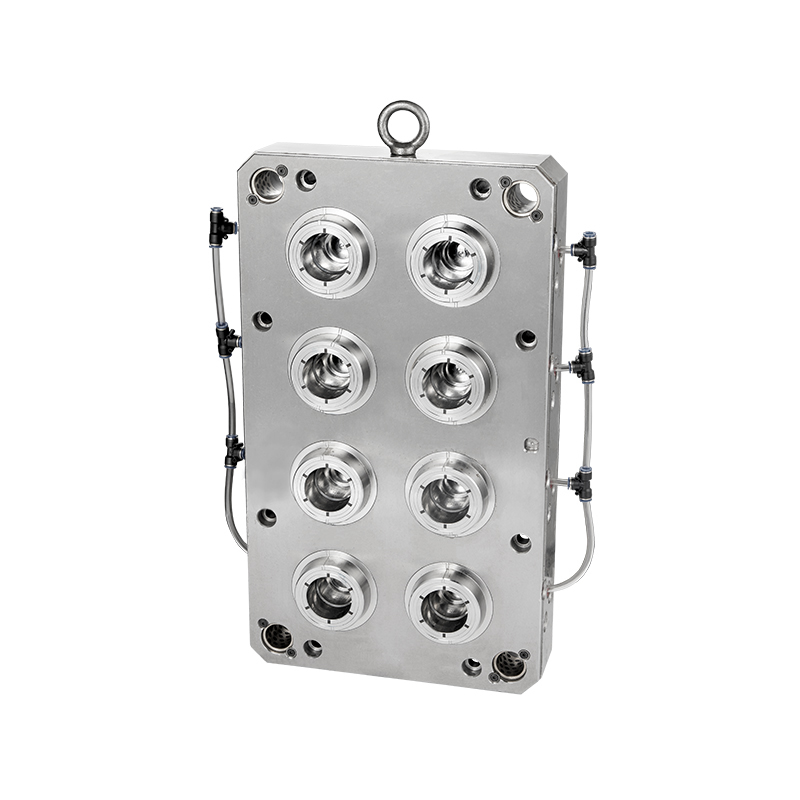
The Plastic Thin Space Cup Mould represents an innovation in the manufacturing o...
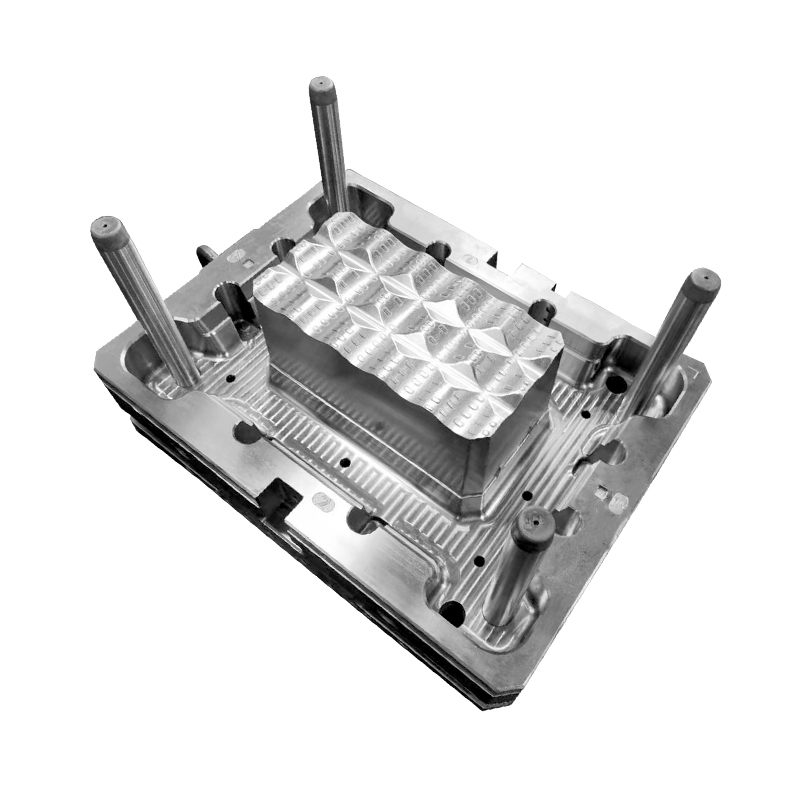
Our Food/Beverage Plastic Crate Mould is meticulously designed to meet the diver...
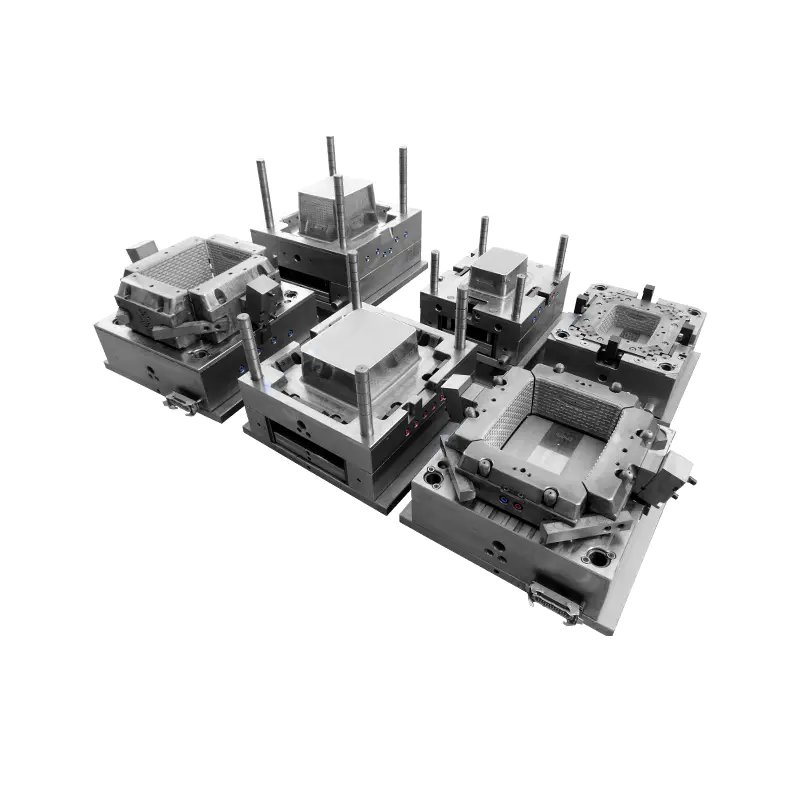
In the realm of plastic furniture storage solutions, our injection mould stands ...
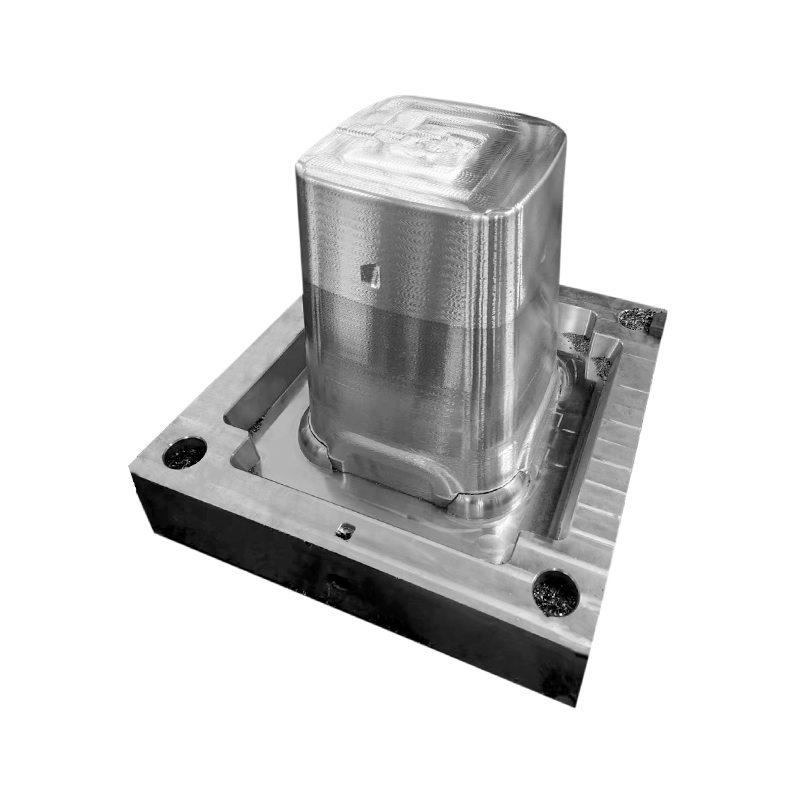
In the realm of contemporary furniture design, the Durable Plastic Rattan Stool ...
Taizhou Huangyan Edge Mould Co., Ltd.
Phone: +86-15068654601
Email: [email protected]
Address: No.62 Zhao Feng Road, Huangyan, Taizhou, Zhejiang, China
Copyright © Taizhou Huangyan Edge Mould Co., Ltd. All Rights Reserved.
