
 English
 Español
 عربى
عربىThe Plastic Thin Space Cup Mould represents an innovation in the manufacturing o...

-

+86-15068654601
-

No.62 Zhao Feng Road, Huangyan, Taizhou, Zhejiang, China
+86-15068654601
No.62 Zhao Feng Road, Huangyan, Taizhou, Zhejiang, China
Multi-cavity cutlery moulds are specialized tools used in the production of plastic or composite cutlery items such as spoons, forks, and knives. These moulds allow multiple items to be produced simultaneously in a single injection cycle, improving efficiency and consistency. When compared with other manufacturing processes, multi-cavity moulds present specific advantages and limitations that influence their selection in mass production environments.
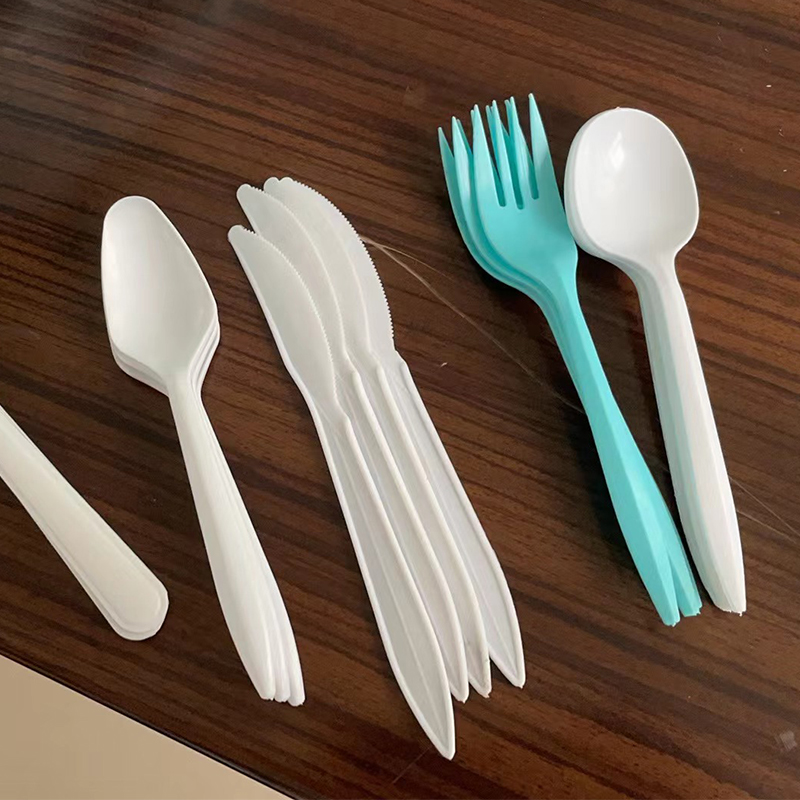
Multi-cavity cutlery moulds are engineered to create several identical items simultaneously by splitting molten material into multiple cavities.
Mould Cavities: The cavities are precision-shaped to form the final cutlery design. Each cavity produces a single item.
Runner System: Channels guide the molten plastic from the injection nozzle to each cavity, ensuring even flow distribution.
Ejector System: Once the cutlery has cooled and solidified, ejector pins push the items out of the mould.
Cooling Channels: Integrated channels maintain consistent cooling, reducing cycle time and preventing warping or deformation.
Material Compatibility: Typically used with thermoplastic resins, such as polypropylene or polystyrene, that can flow into the cavities and solidify quickly.
This arrangement allows multiple cutlery pieces to be produced in a single injection cycle, improving output while maintaining uniform shape and size.
Multi-cavity moulding differs from alternative processes in several ways:
Single-Cavity Moulding:
Produces one item per cycle.
Slower output and less cost-effective for high-volume production.
Easier to maintain and less complex in design.
Multi-cavity moulds allow multiple items per cycle, improving efficiency for large production runs.
Extrusion:
Extrusion produces continuous profiles, such as straws or rods, by forcing material through a shaped die.
Extrusion is unsuitable for complex three-dimensional items like cutlery.
Moulding produces finished shapes with detailed handles and functional tips.
Blow Moulding:
Blow moulding creates hollow items like bottles and containers.
Not applicable for solid objects like cutlery.
Multi-cavity injection moulding allows precise solid shapes with multiple items per cycle.
Thermoforming:
Thermoforming involves heating plastic sheets and forming them over a mould.
Suitable for shallow shapes such as trays or lids but not ideal for ergonomic cutlery shapes.
Multi-cavity moulding ensures uniform thickness and structural integrity for functional cutlery.
Using multi-cavity moulds provides several operational and economic advantages:
Increased Production Rate: Multiple items per cycle reduce cycle time and increase overall output.
Consistency: All items produced in a single cycle are identical in dimensions and quality.
Cost Efficiency: Spreads the cost of the mould over several items per cycle, reducing per-unit manufacturing cost.
Integration of Features: Handles, functional tips, and design elements can be formed in one step without secondary operations.
Reduced Labor: Automated injection and ejection reduce manual handling and improve process efficiency.
These factors make multi-cavity moulding suitable for mass production of disposable or reusable cutlery in industrial settings.
Despite the advantages, multi-cavity cutlery moulds also have limitations:
High Initial Tooling Cost: Designing and producing a multi-cavity mould is more expensive than a single-cavity mould or simpler processes.
Complex Maintenance: More cavities mean more components that can wear, clog, or require adjustment.
Material Flow Issues: Uneven flow in the runner system can cause inconsistent fill, sink marks, or short shots in certain cavities.
Cycle Time Dependency: Cooling and ejection times must accommodate all cavities, which can lengthen the cycle if some cavities cool slower than others.
Limited Flexibility: Moulds are typically designed for specific cutlery shapes, making changes in design or material more challenging.
These limitations must be considered when deciding whether multi-cavity moulding is the suitable manufacturing method.
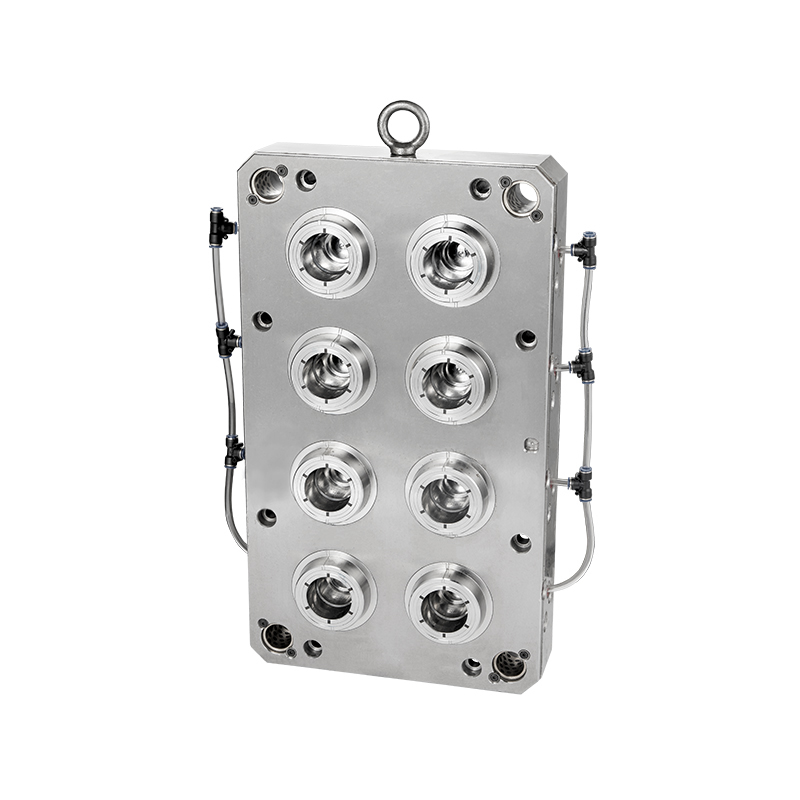
The Plastic Thin Space Cup Mould represents an innovation in the manufacturing o...
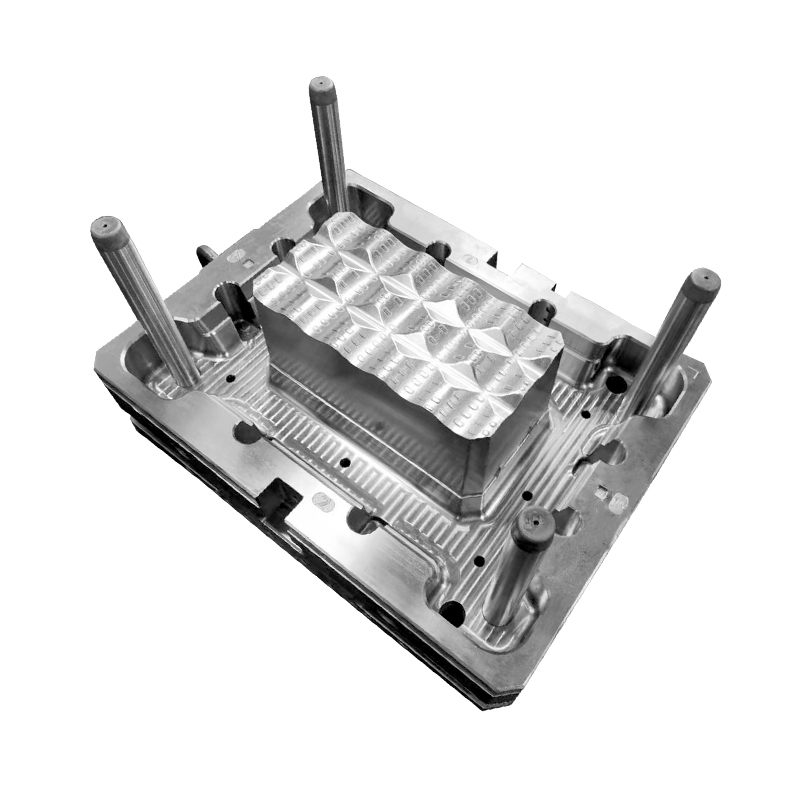
Our Food/Beverage Plastic Crate Mould is meticulously designed to meet the diver...
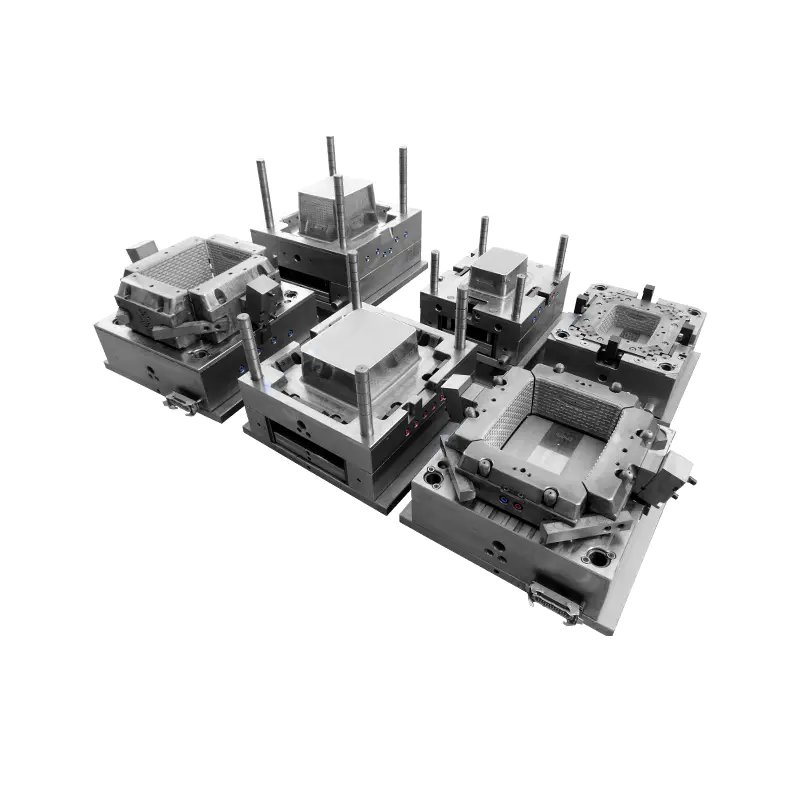
In the realm of plastic furniture storage solutions, our injection mould stands ...
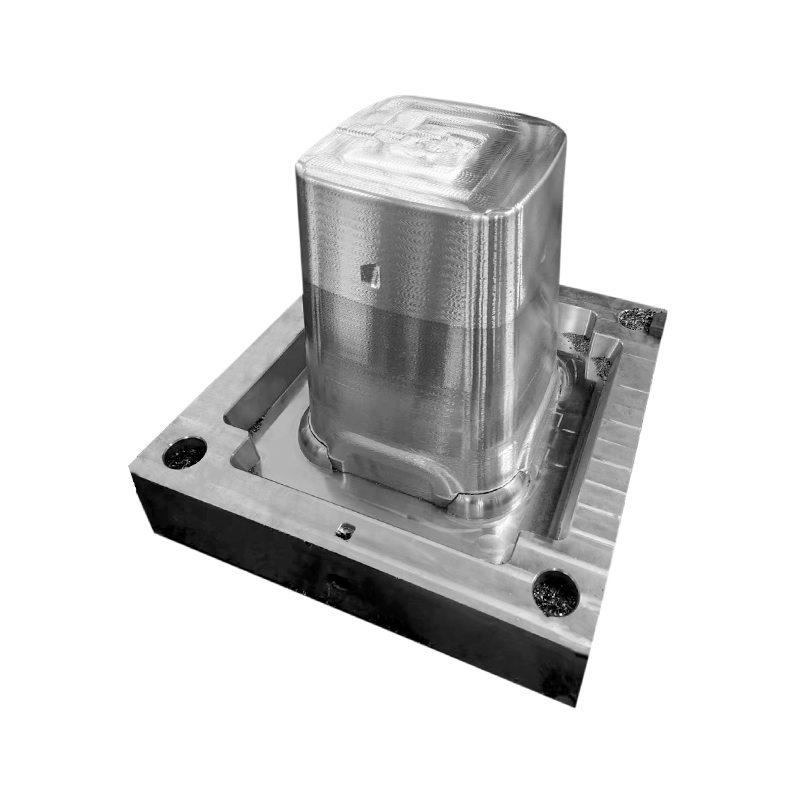
In the realm of contemporary furniture design, the Durable Plastic Rattan Stool ...
Taizhou Huangyan Edge Mould Co., Ltd.
Phone: +86-15068654601
Email: [email protected]
Address: No.62 Zhao Feng Road, Huangyan, Taizhou, Zhejiang, China
Copyright © Taizhou Huangyan Edge Mould Co., Ltd. All Rights Reserved.
