
 English
 Español
 عربى
عربىThe Plastic Thin Space Cup Mould represents an innovation in the manufacturing o...

-

+86-15068654601
-

No.62 Zhao Feng Road, Huangyan, Taizhou, Zhejiang, China
+86-15068654601
No.62 Zhao Feng Road, Huangyan, Taizhou, Zhejiang, China
A food container sits on the shelf, holding the berries or the salad. The lid snaps on. The customer picks it up, opens it, checks it, and puts it back. Or the customer opens it and eats from it. The anti-theft food container is the one that makes the tampering visible. The lid locks onto the tray with tabs that have to be broken or visibly deformed to open. An anti-theft food container mould produces that locking geometry. The tabs, the hinges, the seals, all of it is formed in the mold. For packaging producers and food brands, the mould is what makes the container secure.
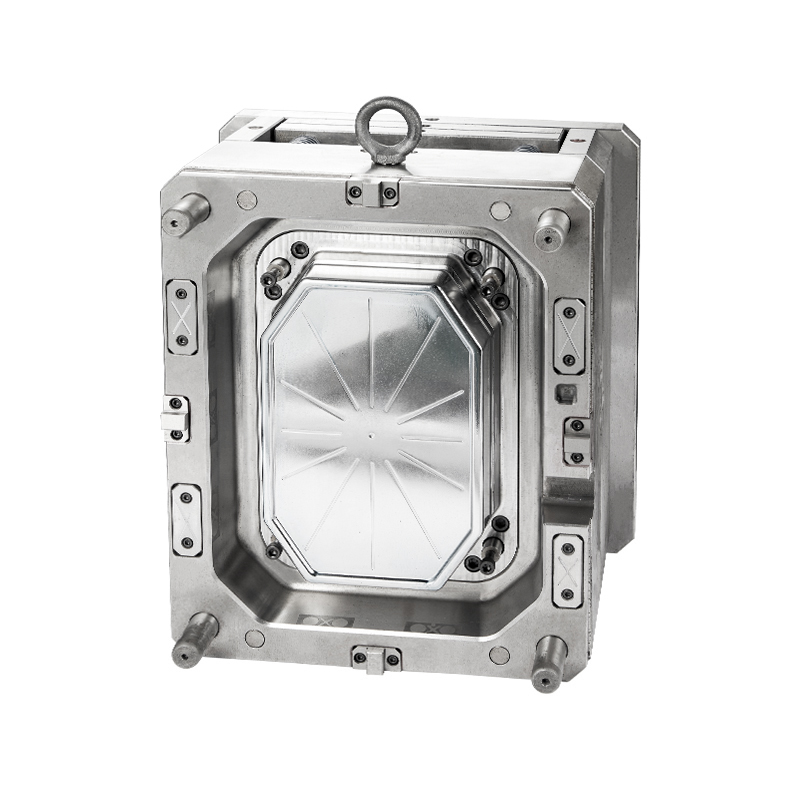
The locking tabs are the anti-theft feature. The lid snaps down over the tray, and the tabs engage. To open the container, the tabs have to be broken or lifted in a way that leaves the mark. An anti-theft food container mould machines the tab geometry into the lid cavity and the tray cavity so the tabs align and engage.
The hinge connects the lid to the tray. It is a living hinge, a thin strip of polypropylene that flexes. The hinge has to be thin enough to flex and thick enough to survive the repeated opening. An anti-theft food container mould with the properly formed hinge produces the lid that opens and closes without breaking.
The alignment between the lid and the tray is the precision part. The tabs on the lid have to meet the catches on the tray. A misalignment of a fraction of a millimeter produces the tabs that do not engage or the lid that does not close. An anti-theft food container mould with the cavity alignment properly machined produces the container that locks.
The container has to seal. The lid fits onto the tray with a friction fit or a snap fit. The seal keeps the food fresh and the liquid in. An anti-theft food container mould with the properly formed seal surfaces produces the container that closes tight.
The container has to stack. The base of one tray fits into the lid of the tray below. The stacking lugs and the recesses are molded in. An anti-theft food container mould with the proper stacking geometry produces the containers that stack straight and separate easily.
The material is polypropylene, clear or colored. PP is flexible enough for the living hinge and stiff enough for the tray. An anti-theft food container mould with the right material specification produces the container with the right properties.
The mould runs in a high-speed cycle. The container is thin-walled, the material is PP, and the cycle time is measured in seconds. An anti-theft food container mould with the cooling channels properly placed pulls the heat out fast.
The hot runner system feeds the melt to the cavities. The gate position and the gate size determine the fill. An anti-theft food container mould with the right gate for the container geometry fills the cavity completely.
The ejection system pushes the container out of the mold. The ejector pins are placed on the non-visible surfaces. An anti-theft food container mould with the proper ejection releases the part without the marks.
Here is what an anti-theft food container mould needs to deliver:
The supermarket uses the anti-theft container for the high-value items, the berries, the prepared foods. The container shows the tampering. An anti-theft food container mould produces the tray that protects the product.
The brand uses the container for the ready meals and the snacks. The visible lock is the security. An anti-theft food container mould gives the brand the packaging that protects the contents.
The food producer uses the container for the direct-to-store delivery. The container survives the transport and the handling. An anti-theft food container mould makes the packaging that holds up.
The tab will not lock because the lid and the tray cavities were not aligned. The lid bounces open. An anti-theft food container mould with the proper alignment fixes it. The hinge breaks because the hinge was too thin or the material was wrong. The right hinge and the right PP fix it. The seal leaks because the seal surfaces were not properly formed. A proper seal fixes it.
An anti-theft food container mould produces the container that locks, seals, and shows the tampering. The tabs engage. The hinge flexes. The seal holds. Choose a mould with the aligned cavities, the proper hinge, and the right stacking. The container will protect the food and the brand. That is the point. That is what the anti-theft mould is for.
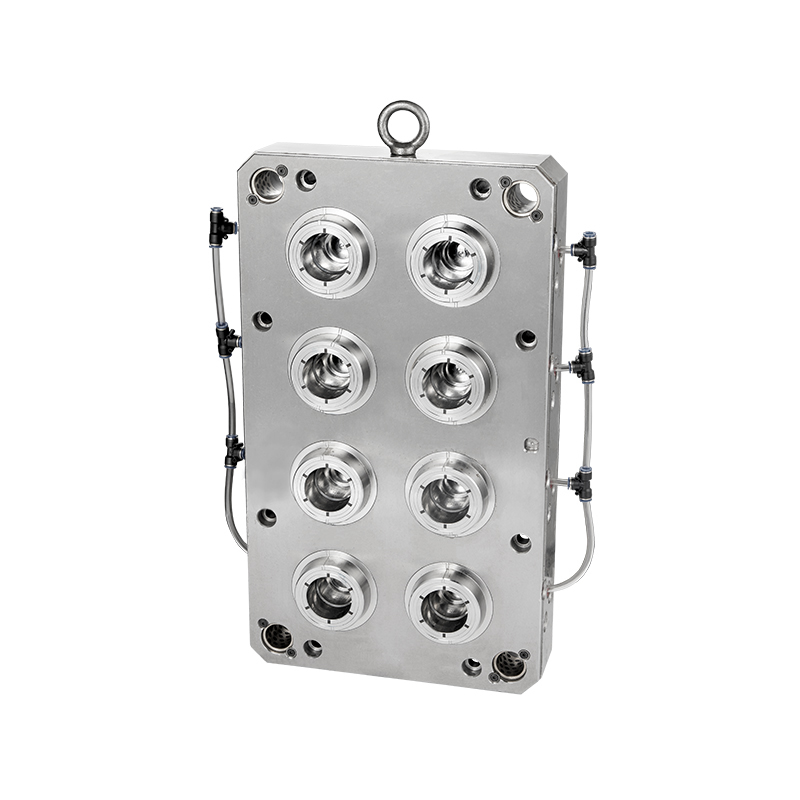
The Plastic Thin Space Cup Mould represents an innovation in the manufacturing o...
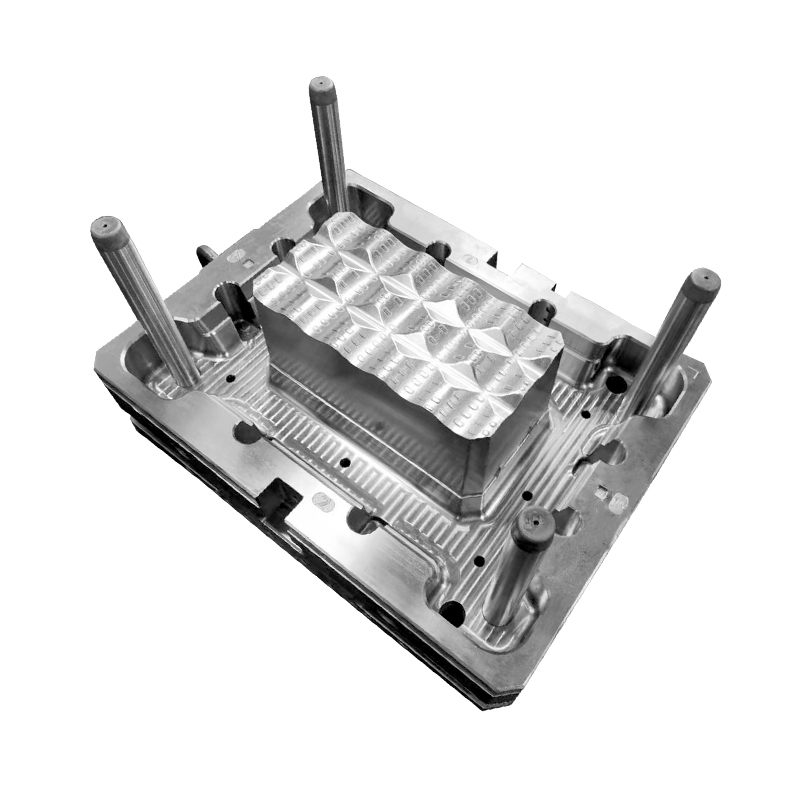
Our Food/Beverage Plastic Crate Mould is meticulously designed to meet the diver...
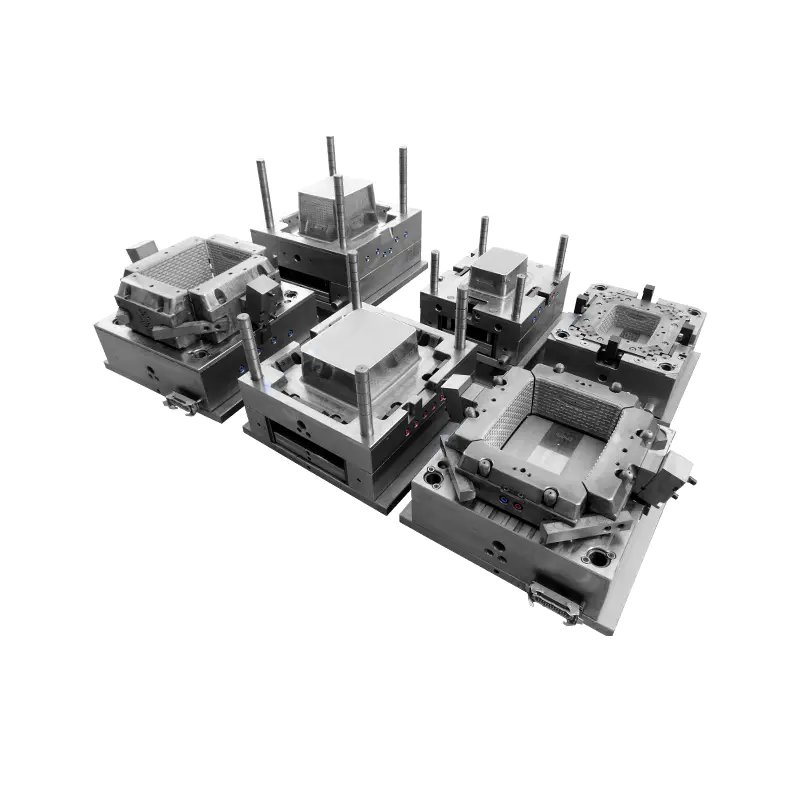
In the realm of plastic furniture storage solutions, our injection mould stands ...
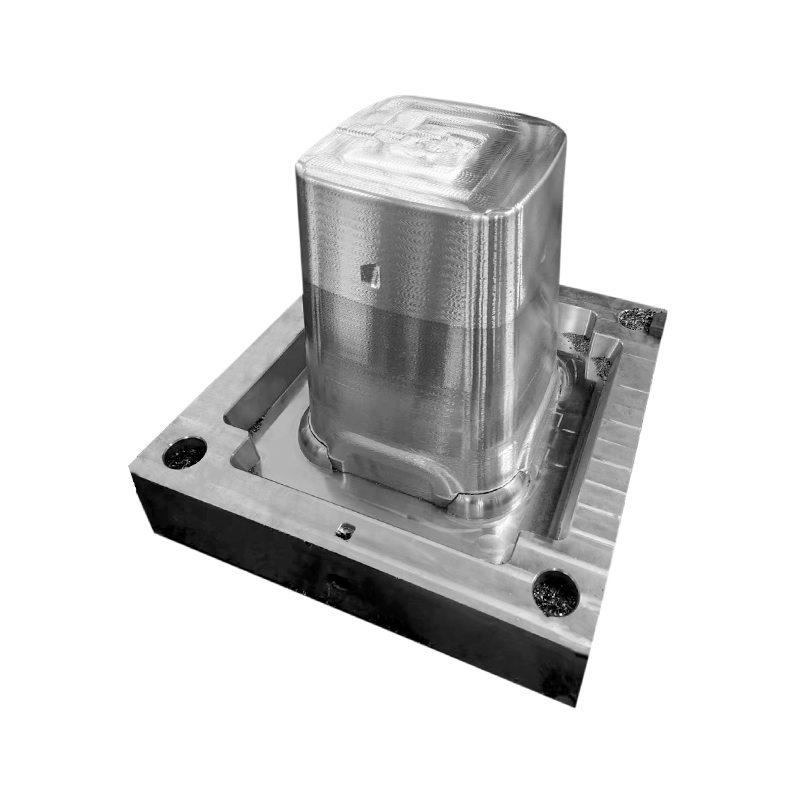
In the realm of contemporary furniture design, the Durable Plastic Rattan Stool ...
Taizhou Huangyan Edge Mould Co., Ltd.
Phone: +86-15068654601
Email: [email protected]
Address: No.62 Zhao Feng Road, Huangyan, Taizhou, Zhejiang, China
Copyright © Taizhou Huangyan Edge Mould Co., Ltd. All Rights Reserved.
